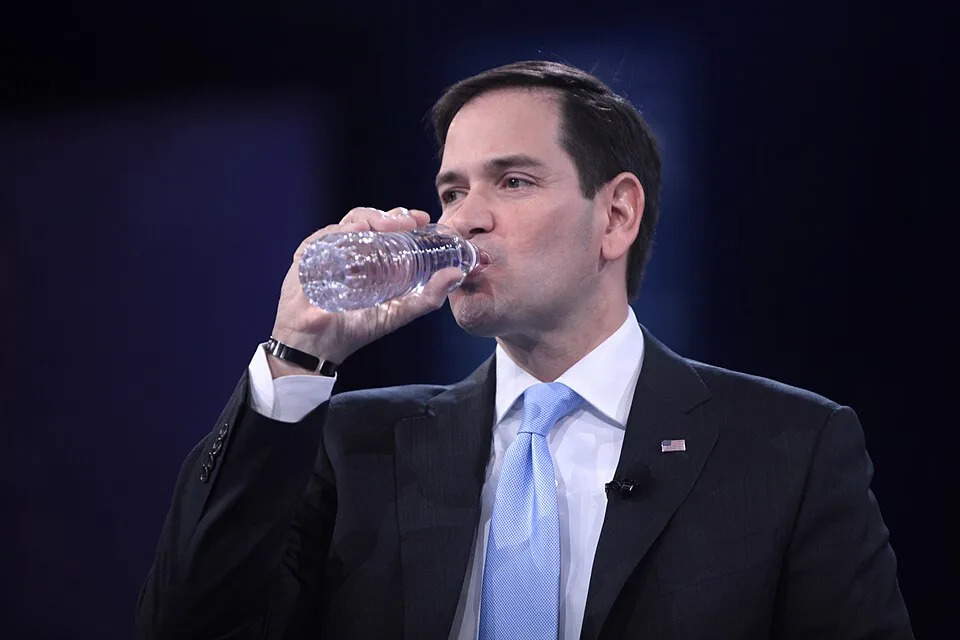
Marco Rubio holds more diplomatic leverage than any American alive right now. He could end a war in Ukraine that's now grinding into its fifth year, push for a ceasefire in Gaza, and revive the Iran nuclear talks before the Strait of Hormuz becomes a full-blown economic catastrophe. Instead, he flew to Rome to argue with the Pope. This is the Secretary of State of the United States of America.
The World Is On Fire and the Chief Firefighter Won't Pick Up the Hose
As The Guardian's Simon Tisdall lays out in stark terms, the view from the State Department right now is genuinely terrifying. The Iran war Trump launched has conclusively failed, according to Tisdall's reporting. Energy and food prices are still climbing. Israel this week flatly rejected Trump's latest Gaza peace proposals, just days after Trump was congratulating himself on a "historic breakthrough." Russia is growing increasingly brazen in its attacks on NATO allies. And the midterms are coming.
This is the moment, historically speaking, when you want a Secretary of State who shows up. Someone who logs the miles, burns the phone lines, and makes the kind of messy, unsexy compromises that prevent shooting wars from becoming generational catastrophes. What you probably don't want is the guy who's been deliberately keeping his fingerprints off the biggest crises on earth.
The Imperial Viceroy Doctrine
Tisdall's piece draws a pointed contrast between Rubio and the secretaries of state who came before him. Clinton, Blinken, Kerry, his legendary shuttle diplomacy, these were people who believed American power worked best when it brought people to the table. Rubio operates on a different theory entirely.
According to The Guardian's analysis, Rubio's approach is less peace-broker and more pith-helmeted colonial administrator. Countries get a choice: become client states, as Venezuela has and as Cuba and Greenland are apparently next in line to become, or get crushed. In Munich back in February, Rubio delivered what Tisdall calls his "hawkishly retro doctrine," lamenting the decline of "the great western empires" and warning Europe faced "civilisational erasure." He said the US wanted allies "proud of their culture and heritage" rather than ones "shackled by guilt and shame" about the imperial past. So that's where we are. The Secretary of State is nostalgic for colonialism, out loud, in Germany, and nobody really made him answer for it.
The Calculated Absence
Here's the thing that makes Rubio's inaction look less like incompetence and more like strategy. Ukraine negotiations have been handed off to Jared Kushner and Steve Witkoff, two men whose collective diplomatic experience amounts to real estate deals and being adjacent to Trump. Gaza talks are similarly farmed out. And on Iran, The Guardian reports Rubio has largely steered clear of direct involvement, leaving Vice President JD Vance, who happens to be Rubio's biggest rival for the 2028 Republican nomination, to absorb whatever political damage comes from those talks.
That is not an accident. That is someone doing math. If the deals fail, Rubio's hands are clean. If they succeed, he can position himself as the responsible adult who kept the guardrails on. It's the kind of calculation that might make a clever politician but makes a genuinely terrible diplomat, because diplomacy requires someone to actually be in the room and own the outcome.
Rubio's biographer Manuel Roig-Franzia, cited by The Guardian, traces this pattern back further, arguing Rubio's whole career has been defined by a need to be on the winning side rather than the right one. He was a China hawk until Trump needed him not to be. He slammed Russia until appeasing Russia became the play. He championed foreign aid and then gutted USAID once he had the power to do so. He blasted Obama's Iran nuclear deal and now backs an accord that reportedly offers Tehran additional concessions beyond what Obama ever agreed to.
The Openings He's Ignoring
What makes this genuinely maddening, and Tisdall makes this case forcefully, is that the windows for real diplomatic progress are open right now, and they will not stay open.
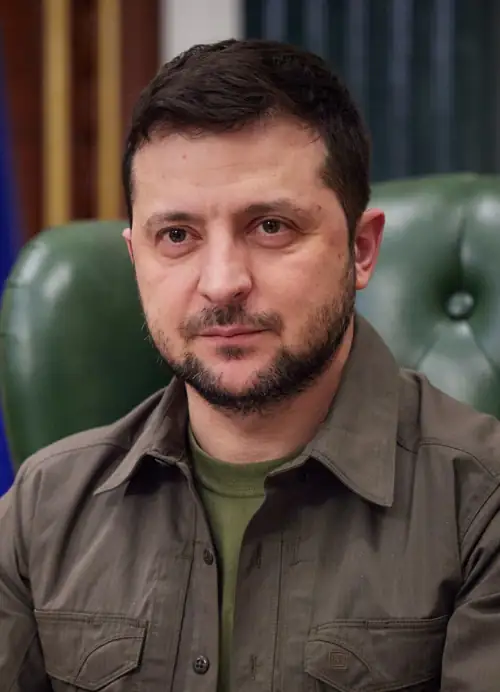
Vladimir Putin, The Guardian reports, is weaker than at any point since 2022, losing both on the battlefield and facing mounting pressure at home. Zelenskyy is short on missile interceptors, soldiers, and political support. A ceasefire that freezes the conflict is, by Tisdall's account, achievable by the one country that can actually pressure both sides: the United States. In Israel, Netanyahu faces elections in October and is politically vulnerable. There is a real opportunity, right now, to sideline the worst of Trump's "Board of Peace" nonsense, rein in West Bank settler violence, and push something resembling a real process grounded in UN resolutions.
On Iran, The Guardian reports that Tehran has said there is a June memorandum of understanding that could serve as the foundation for revived talks and a way out of the Strait of Hormuz standoff that's been hammering global energy markets. Rubio, with the full weight of American credibility behind him, could take charge of those talks tomorrow. He hasn't.
The Pope Got a Lecture, Gaza Got Nothing
Let's just sit with this for a moment. The Vatican accused the United States of waging an immoral and unjust war. Rubio's response, per The Guardian, was to travel to Rome and set the Pope straight.
The Pope. He argued with the Pope. About the morality of American warfare. This is what the Secretary of State's schedule looked like while Ukraine is in its fifth year and Gaza is still burning. It would be darkly funny if the stakes weren't so catastrophically high.
The Dingo Take
You are supposed to believe that Marco Rubio is one of the most powerful diplomats on earth. He holds a position that, when used with any courage or conviction, can actually stop wars, save lives, and reshape the trajectory of multiple ongoing catastrophes. Instead, he is a man who has calculated, with considerable intelligence, exactly how to hold enormous power without ever being blamed for using it badly.
The tragedy, as The Guardian frames it, is that this is not a lack of ability. Rubio is not stupid. He knows what the leverage points are. He knows Putin is weak. He knows Netanyahu is vulnerable. He knows the Iran talks have a workable foundation. He just also knows that if he touches any of these live wires and they explode, his 2028 presidential run is done before it starts. So he lets Kushner and Witkoff and Vance handle the explosives while he visits the Pope to explain why American foreign policy is actually fine, actually.
A Secretary of State who won't do diplomacy is just a very well-traveled spokesperson. The world is burning, the window to act is open, and Marco Rubio is standing outside it with his arms folded, waiting to see which way the wind blows. That is a choice. He is making it every single day.

Comments