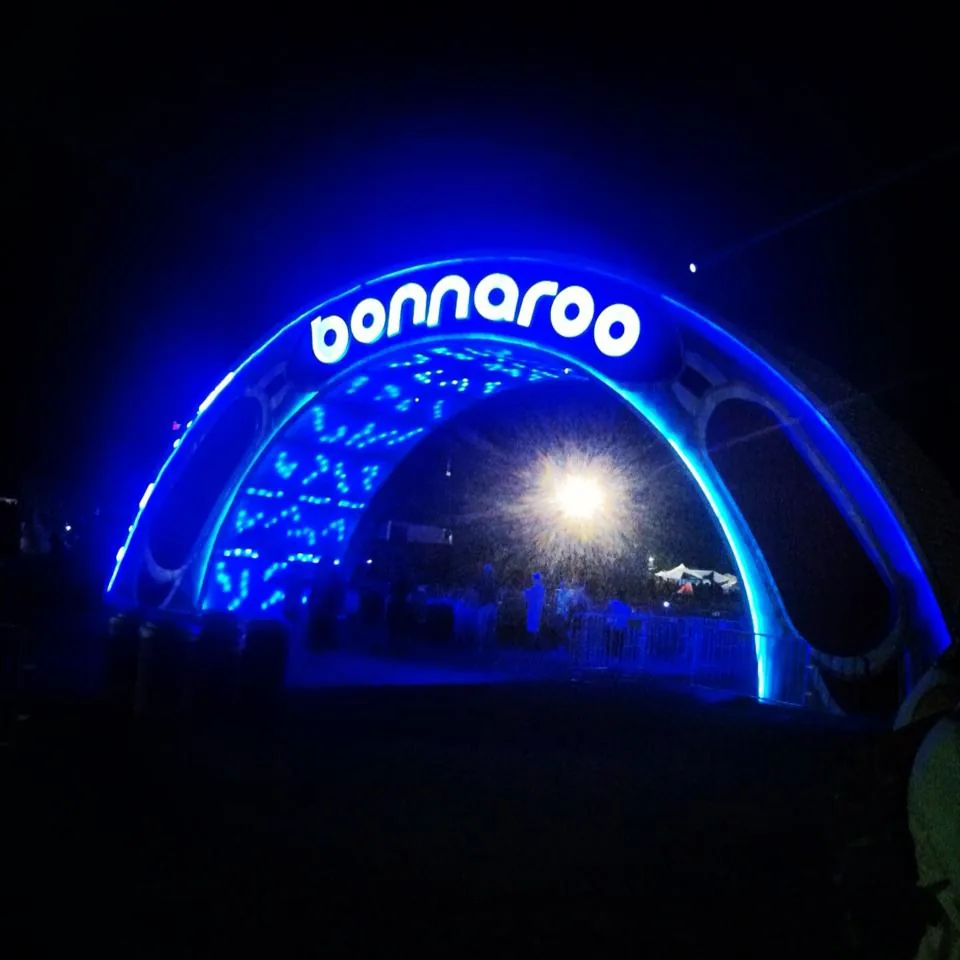
Bonnaroo spent a fortune laying 4.5 miles of new roadways and replanting 135 acres of grass to storm-proof its Tennessee farm. Then the storms came anyway. For the second straight year, severe weather wrecked the festival grounds, and organizers have now announced they're canceling 2027 entirely — giving the land, and probably themselves, a chance to dry out.
What Actually Happened This Year
The 2026 Bonnaroo festival ran June 11 through 14 on the 700-acre farm in Manchester, Tennessee, and by most accounts it went fine — The Strokes, Noah Kahan, Weird Al Yankovic, and Kesha all performed. Then Sunday hit. A heavy rainstorm rolled through and knocked out the final day's schedule, forcing Aly & AJ, Trombone Shorty, and TV Girl to cancel their sets. Not catastrophic, but brutal enough.
The thing is, this wasn't a surprise disaster out of nowhere. It was the second consecutive year that severe weather chewed through Bonnaroo's programming. In 2025, the festival was canceled after just one day due to flooding. One day. That's not a festival, that's an expensive camping trip in the rain.
They Tried. They Really Tried.
The organizers weren't sitting on their hands. According to their official statement, before this year's event they sank serious money into improvements specifically designed to hold up against bad weather. That included improved drainage systems, 4.5 miles of new roadways, and 135 acres of new grass. The whole point was to make The Farm more resilient. Mother Nature read the memo and shrugged.
"As you know, we spent a great deal of effort and money working to improve the campgrounds and Centeroo in the months leading into the 2026 festival," organizers said. "That included improved drainage, 4.5 miles of new roadways, and 135 acres of new grass, all which strengthened The Farm's resiliency to Mother Nature." Strengthened it. Not saved it. There is a meaningful difference.
The 2027 Decision and Why They Made It
On Friday, organizers announced Bonnaroo will not happen in 2027. The statement frames it as a healing break rather than a defeat, which is the kind of press language you deploy when you need to not sound like you're drowning — sometimes literally. "This wasn't an easy decision, and not one we take lightly, but in our hearts, we know this break will only make Bonnaroo better," the statement reads.
The timing also has a grim forecast attached to it. According to the Tennessean, more wet weather is expected in the area early next year as El Niño strengthens. So even if they wanted to push through, the conditions waiting for them in 2027 were not exactly promising. Canceling a year out, when you already know the skies are planning another assault, is at least the smart call.
The festival typically draws around 80,000 people to Manchester each year, Page Six reports. That's 80,000 people who will need to find something else to do with their June, their camping gear, and their deep affection for sets that run until 3 a.m.
Bonnaroo's Increasingly Cursed Recent History
To understand how bad the last few years have been, consider the full run. The festival didn't happen in 2020 because of COVID. In 2021, it was postponed for the pandemic, then threatened by Hurricane Ida, then canceled entirely. In 2025, it lasted one day before flooding ended it. In 2026, storms wrecked the final day. Now 2027 is gone before it ever started.
That's five years out of six with some form of major disruption. The festival was founded in 2002 and has hosted Paul McCartney, Beyoncé, Radiohead, Bruce Springsteen, U2, Eminem, Elton John, and Billy Joel. It has a real legacy and a devoted audience. But that legacy is being stress-tested by weather patterns that are getting harder and harder to plan around.
The Bigger Problem Nobody Wants to Say Out Loud
A major outdoor music festival in central Tennessee gets wiped out by catastrophic rain two years running, rebuilds its infrastructure specifically to fight back against extreme weather, and then gets hit again. The organizers are being diplomatic about all of it, calling it a "much-needed year off" and talking about the farm needing to "rest and recover."
But the farm is not tired. The farm is wet. There is a difference between a venue needing a breather and a venue that keeps getting underwater because the climate in that region is making severe weather events more frequent and less predictable. The Tennessean's note about El Niño strengthening adds a layer that the Bonnaroo statement is careful not to engage with directly. You can lay all the new roadways you want. You cannot pave over a changing atmosphere.
The Dingo Take
You are supposed to read this story and think: bad luck, rough couple of years, they'll bounce back in 2028. That is the frame the organizers are offering and it is understandable. They have a brand to protect, a community to keep engaged, and absolutely no incentive to stand at a podium and say the quiet part out loud. So they won't.
But two catastrophic weather events in two years, at a site where you just spent a significant amount of money on climate-proofing infrastructure, in a region where forecasters are already warning about what's coming next year, is not a streak of bad luck. It is a pattern. Bonnaroo is not the only major outdoor event dealing with this. Festivals across the country are watching their weather windows shrink and their contingency plans get more expensive. At some point the "much-needed year off" becomes a permanent condition, and no amount of new drainage fixes that.
The 80,000 people who go to Bonnaroo every year deserve to have that conversation honestly. The organizers have a right to be diplomatic. But the rest of us should be clear-eyed: this is what climate disruption looks like when it shows up in your ticket sales.



Comments