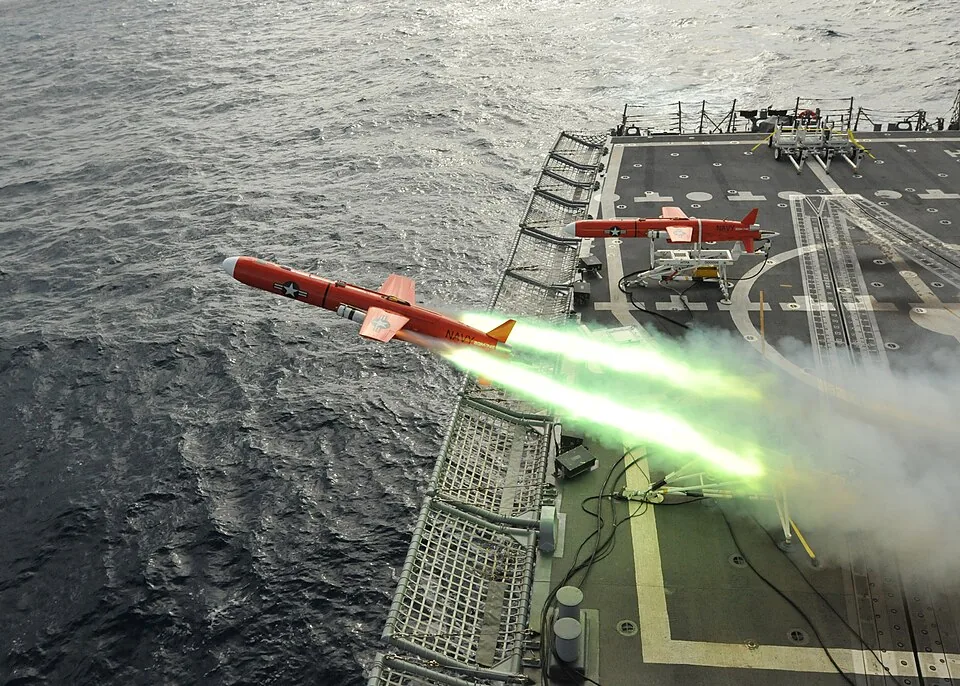
Iran's Revolutionary Guard tried to steal an American military drone in the Strait of Hormuz on Monday. The U.S. military responded by destroying two Iranian boats. Iran then told its own people that American forces had bombed some fishermen.
What Actually Happened Out There
According to U.S. officials who spoke to Axios, Islamic Revolutionary Guard Corps boats moved on a U.S. Navy drone that was on patrol in the Strait of Hormuz. The IRGC's apparent plan was to take the drone. The U.S. military's response was to sink the boats.
The strike happened Monday near the port city of Bandar-e Kangan. Two Iranian small boats were destroyed. The American drone, presumably, continued its patrol.
The U.S. military did not initially announce the strike. The Pentagon did not put out a press release. No one held a briefing. The whole thing just happened, quietly, in one of the most strategically critical waterways on the planet.
Iran's Version of Events Is a Work of Fiction
Iranian state media reported the incident as an American drone strike on fishing boats. Fishing boats. Two humble fishing vessels, minding their business off the coast, obliterated by U.S. aggression. That is the story Iranian audiences received.
This is what authoritarian information control looks like in practice. The IRGC sends military boats to seize foreign military hardware in international waters, gets those boats blown up in the process, and the domestic story becomes a tale of innocent fishermen and American brutality. Clean. Simple. Completely disconnected from what actually happened.
It would be almost impressive if it weren't so predictable. Iran has been running this particular playbook for decades.
The Strait of Hormuz Is Still Very Much a Problem
Axios notes that the incident illustrates how restoring normal shipping through the Strait of Hormuz keeps running directly into Iran. That framing is doing a lot of quiet work. "Direct confrontation" is a diplomatic way of describing what happened: a military clash between American and Iranian forces in one of the chokepoints the global economy depends on.
Roughly a fifth of the world's oil supply passes through the Strait of Hormuz. It is not a place where anyone wants ongoing military skirmishes, and yet here we are. The IRGC has a long history of harassing ships, seizing vessels, and testing what it can get away with in those waters. Apparently on Monday it decided to test whether it could grab a drone.
The answer was no.
Why the Pentagon Stayed Quiet
The decision not to announce the strike is worth sitting with for a moment. The U.S. military destroyed Iranian military assets in a contested waterway and then said nothing. We only know about it because U.S. officials talked to Axios.
There are a few ways to read that silence. Maybe the Pentagon wanted to avoid escalation, figuring a quiet win beats a public one that forces Tehran to respond. Maybe there are ongoing diplomatic sensitivities that make announcing strikes on Iranian boats politically complicated right now. Maybe someone just decided the story was cleaner if it didn't become a story.
What it means in practice is that a shooting incident between American and Iranian forces nearly went entirely unreported. That is a remarkable thing to absorb.
This Is Not an Isolated Incident
The IRGC has attempted to seize or interfere with U.S. naval drones before. It has also harassed commercial shipping, detained foreign nationals, and conducted operations across the region that exist in a permanent gray zone between provocation and open conflict. Monday's incident fits a well-established pattern.
What makes this particular episode notable is the brazenness of attempting to physically steal American military hardware, and the fact that the U.S. response was immediate and lethal. Two boats gone. No warnings reported. No prolonged standoff.
The Strait of Hormuz does not have a de-escalation setting right now. Both sides know it.
The Dingo Take
You are supposed to look at this story and see a contained, resolved incident. Two boats, one drone, problem solved, moving on. That is the version the Pentagon's silence was designed to produce.
But step back for a second. The Iranian military attempted to steal active U.S. military hardware. The U.S. military killed people in response. And the first place most of the world heard about it was a single Axios report sourced to anonymous U.S. officials, because neither government had any particular interest in making it public. Iran lied to its own citizens about what happened. The U.S. just said nothing at all. Two different kinds of information failure, same result: the public almost didn't find out that shots were fired.
That is the actual story here. Not just that Iran tried something stupid and paid for it, but that a military engagement in one of the world's most critical waterways nearly vanished into the noise. The Strait of Hormuz is not calming down. The IRGC is still probing and pushing. And the information environment around all of it is so degraded, on every side, that we're learning about firefights from leak-based journalism days after they happen. Sleep well.


Comments