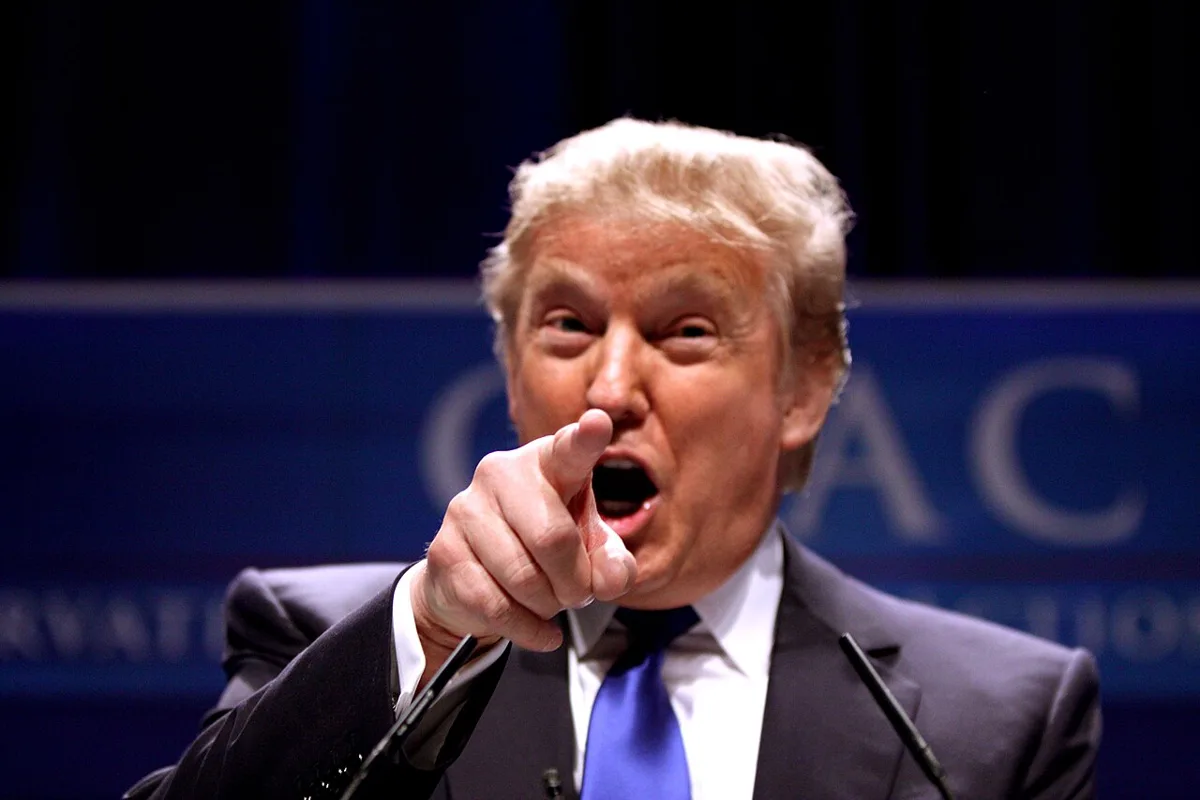
A year ago, Donald Trump stood in the Oval Office with the CEO of Pfizer and promised that Medicaid patients would pay the lowest drug prices in the world. Today, according to NPR, nobody can tell you which drugs are actually discounted, which states are participating, or what the agreements even say — because the administration won't release them.
The Greatest Drug Deal Nobody Is Allowed to Read
Trump has been very loud about this one. At the midterm Republican National Convention in Dallas on September 10, he told the crowd: "We went from the highest prescription drug prices, by far, anywhere in the world, to the lowest prescription drug prices anywhere in the world." That is a remarkable claim. It would be even more remarkable if there were any public evidence it was true.
Here is what NPR actually found when they went looking: the administration has refused to release the agreements it struck with pharmaceutical companies. Twenty-six companies supposedly signed deals. Not one of those contracts has been made public. The White House announced them. Then it hid them. And now it is asking you to trust that they are great.
The Pfizer Photo-Op That Started All This
On September 30, 2025, Trump summoned Pfizer CEO Albert Bourla to the White House for a made-for-television announcement. The centerpiece was something called TrumpRx, a discount website for consumers. NPR has previously reported that most people will get a better deal just using their regular insurance, so that headline was already mostly theater.
But there was a second promise buried in the announcement, aimed at Medicaid, the government health program covering 66 million low-income and disabled Americans. Trump said Pfizer was committing to offer all of its prescription medications to Medicaid at "most favored nation" prices, meaning the same lower prices other wealthy countries pay. "It's gonna have a huge impact on bringing Medicaid costs down like nothing else," Trump said. KFF, the nonpartisan health policy research group, puts Medicaid's prescription drug spending at $46 billion in 2024, a 46% jump since 2019. So there was real money on the table. And then, according to NPR's reporting, very little happened.
Which Drugs? Great Question. Nobody Will Say.
NPR contacted Pfizer and 16 other major drug companies that cut deals with the Trump administration. Not one would confirm that all of their drugs would be discounted for Medicaid patients. Not one would say exactly which drugs would be discounted. The answers, when companies gave any at all, were aggressively vague.
Gilead said it is working with states on "selected covered products." Sanofi offered discounts for "certain wholly owned medicines." Genentech said "certain medicines" would be involved. Eli Lilly said it expected "many" of its medicines to be part of the program but did not have a final list. Two companies told NPR the terms of their Medicaid agreements were confidential. The Centers for Medicare and Medicaid, the federal regulatory agency actually running this thing, also would not tell NPR how many drugs from each company would receive discounts.
"Certain medicines." "Selected products." "Many" drugs. This is the language of a press release designed to mean as little as possible while sounding like progress.
The Cherry-Picking Problem
Dr. Thomas Hwang of Brigham and Women's Hospital in Boston told NPR exactly why the vagueness is not just frustrating but potentially fraudulent in spirit. Companies, he explained, have every incentive to offer discounts only on drugs where Medicaid already gets good prices and where the gap between U.S. and international prices is already small.
"Companies have every incentive to cherry-pick the products for which they already give Medicaid the best discounts and for which the international price may not be that much lower," Hwang told NPR. In other words, the companies get a photo-op with the president, a press release, and the goodwill of announcing a "deal" — while the actual savings for patients and taxpayers could be close to zero. Hwang called this "backsliding" from the original promise that all drugs from participating manufacturers would be discounted. Now it is certain drugs. Certain products. TBD.
The Program Isn't Even National. It's Voluntary. For Everyone.
Even if a company does offer a meaningful discount, the program is structured as a voluntary pilot, which means every single state has to decide whether to opt in and then negotiate its own terms. This is not a national drug pricing overhaul. It is a patchwork experiment that individual states can simply decline to join.
Trump promised Medicaid patients the lowest drug prices in the world. What was actually built, according to NPR's reporting, is an opt-in pilot program with secret contracts, undisclosed drug lists, no federal mandate, and a one-year track record of delays and opacity. The gap between those two things is not a minor implementation hiccup. It is the entire story.
The Dingo Take
You are supposed to believe that the man who gave Pfizer's CEO a White House press conference and then hid every document associated with the resulting agreement has delivered the lowest drug prices on the planet. That is the ask. That is where we are.
The architecture of this scam is almost admirable in its simplicity. Announce a deal loudly enough that the announcement becomes the news. Make the deal voluntary so nobody is actually bound by anything. Let companies pick the drugs they were already discounting. Refuse to release the contracts. And then, at a midterm convention rally, tell millions of people it is the greatest achievement in the history of American medicine. Trump has been running this play since 2015 and it works every time because the gap between the announcement and the reality is always filled by the news cycle moving on.
Sixty-six million Americans on Medicaid were told a year ago that relief was coming. What NPR found instead is a program that cannot tell you which drugs are cheaper, in which states, under what terms, or whether any of the promised savings are real. Pfizer's CEO got his Oval Office photo. Medicaid patients got a pilot program nobody can describe. If that sounds like a good deal to you, the administration has 25 more agreements it would love to not show you.

Comments