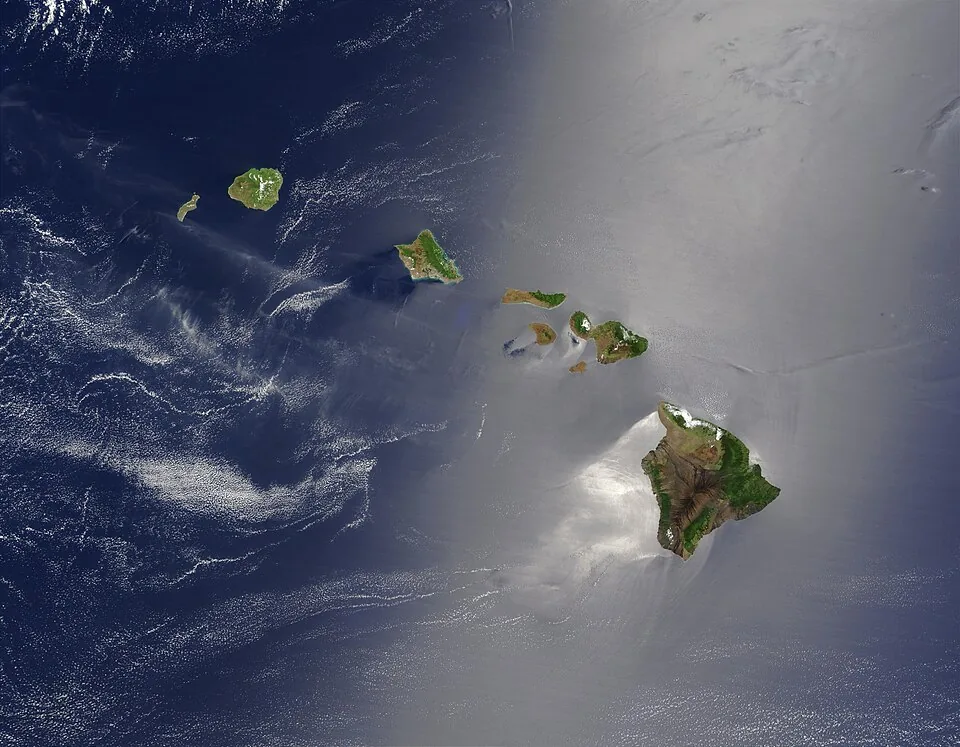
Two storms, two coasts, one very bad week for anyone living near the Pacific Ocean. Hurricane Polo is packing 160 mph winds off Mexico's coast and threatening to bury Guerrero state in mudslides, while Tropical Storm Nolo is charging toward Hawaii with the potential to dump up to 30 inches of rain on ground that is already soaked from the last hurricane that hit it less than two months ago.
Polo Is Not Landing, But It Doesn't Need To
As of Wednesday night, Hurricane Polo was sitting about 130 miles south-southwest of Zihuatanejo, churning with sustained winds of 160 mph. The National Hurricane Center in Miami has labeled it an "extremely dangerous" storm. Mexican President Claudia Sheinbaum and meteorologists both confirmed it is not expected to make direct landfall, which sounds like good news until you hear the rest of it.
The storm doesn't need to make landfall to cause serious damage. According to the National Hurricane Center, Polo is forecast to drench Guerrero state with 4 to 6 inches of rain through Thursday, with the threat of life-threatening flooding and mudslides. The terrain there is rural, mountainous, and in places very poor. It is exactly the kind of geography where water has nowhere to go except down, fast, and into wherever people happen to be living.
Mexico has deployed thousands of military and Red Cross personnel to the region and called for evacuations in some areas. Shelters are open. Whether that is enough preparation for a region that, as NPR reports, residents routinely say authorities abandon during disasters, is a different question entirely.
Real People Are Watching Their Livelihoods Get Soaked
In Lázaro Cárdenas, Michoacán, a woman named Concepción López Villegas was doing what people in these situations always end up doing: boarding things up and hoping. She spent Wednesday reinforcing her seaside restaurant against what is coming, telling the Associated Press, "We're worried and trying to protect our businesses. And of course, we're sad because it's our heritage, our legacy that from one moment to another could be destroyed."
That quote is worth sitting with. Decades of work. One storm. The math of living on a coast in 2026 is getting brutal.
Guerrero state, the region facing the most acute risk from Polo, has been hit repeatedly by hurricanes in recent years. At some point, "resilience" stops being an inspiring word and starts being a description of suffering that should have been addressed a long time ago.
Hawaii, Still Wet from the Last One, Braces for Nolo
Tropical Storm Nolo was about 295 miles south of South Point, Hawaii, as of Wednesday. The National Weather Service expects it to become a full hurricane by Thursday night and close in on the Big Island as early as Friday. According to John Bravender, a warning coordination meteorologist with the National Weather Service, the primary threat is not wind. It is water.
Bravender said during a Wednesday news conference that 20 to 30 inches of rain could fall on the southeastern parts of the Big Island through Saturday. That is already a catastrophic number on its own. But here is the kicker: that same region was hammered by Hurricane Lala in August. The ground is not dry. It has been "raining off and on for the last couple of months," as Bravender put it. Saturated ground plus 30 inches of new rain equals a flooding situation that could be significantly worse than the raw numbers suggest.
"That by itself could cause catastrophic flooding," Bravender said, referring to the rainfall total, "but when you put that on top of grounds that we've been raining off and on for the last couple of months, that rain could cause even more damage." He told residents Wednesday was "really the last dry day you have to get ready." Hawaii County Mayor Kimo Alameda echoed that urgency in a social media video, urging people to stock emergency kits, trim vegetation, and clear drains.
Parts of Kauai Still Dark from the Storm Before That
If the Nolo situation seems bad, consider that over 100 Kauai households are still without power from Hurricane Lowell, which passed west of the island on September 7. That storm was more than two weeks ago. Kauai's electric cooperative is urging residents to prepare for prolonged outages again. Hawaiian Electric said it was moving crews back into at-risk areas ahead of Nolo's arrival.
Three named storms in under three months, in the same island chain. Whatever we thought "hurricane season" used to mean, this is not that anymore.
Bravender urged preparation across all Hawaiian islands, not just the Big Island, because Nolo's path could still shift. The storm also has the potential to become a major hurricane before it arrives. Officials are treating this as an all-hands situation.
Oh, and There Is a Third Hurricane Out There
Almost as an afterthought, there is also Hurricane Odalys. According to the National Hurricane Center, Odalys is carrying 85 mph winds and is approximately 1,205 miles west-southwest of Baja California's southern tip. It poses no current landfall threat and is expected to weaken by the end of the week.
In a normal news cycle, a hurricane in the Pacific would be a significant story. This week it is the third storm on the list, the one that barely made the briefing. That is where we are.
The Dingo Take
Three simultaneous Pacific hurricanes, one of which is about to hit a place still recovering from the last hurricane, on top of ground that has been soaked for two months straight. A meteorologist looked into a camera and said "today is really the last dry day you have to get ready" as if this is a reasonable sentence to say to people in what is supposed to be one of the most desirable places to live on Earth. This is not a freak occurrence anymore. It is a pattern, and the pattern has a name, and we have collectively decided not to do very much about it.
The human cost hiding inside these weather bulletins is enormous and easy to scroll past. Concepción López Villegas is out there reinforcing a restaurant she spent her life building against a storm she did nothing to cause. Residents in Guerrero, a state that has been pummeled by hurricanes repeatedly, are sheltering in facilities set up by a government they say abandons them in exactly these moments. Over a hundred families on Kauai are still in the dark from the storm before this one.
We will cover the next storm too. And the one after that. At some point the question stops being "are you prepared" and starts being "what exactly are we doing here."



Comments