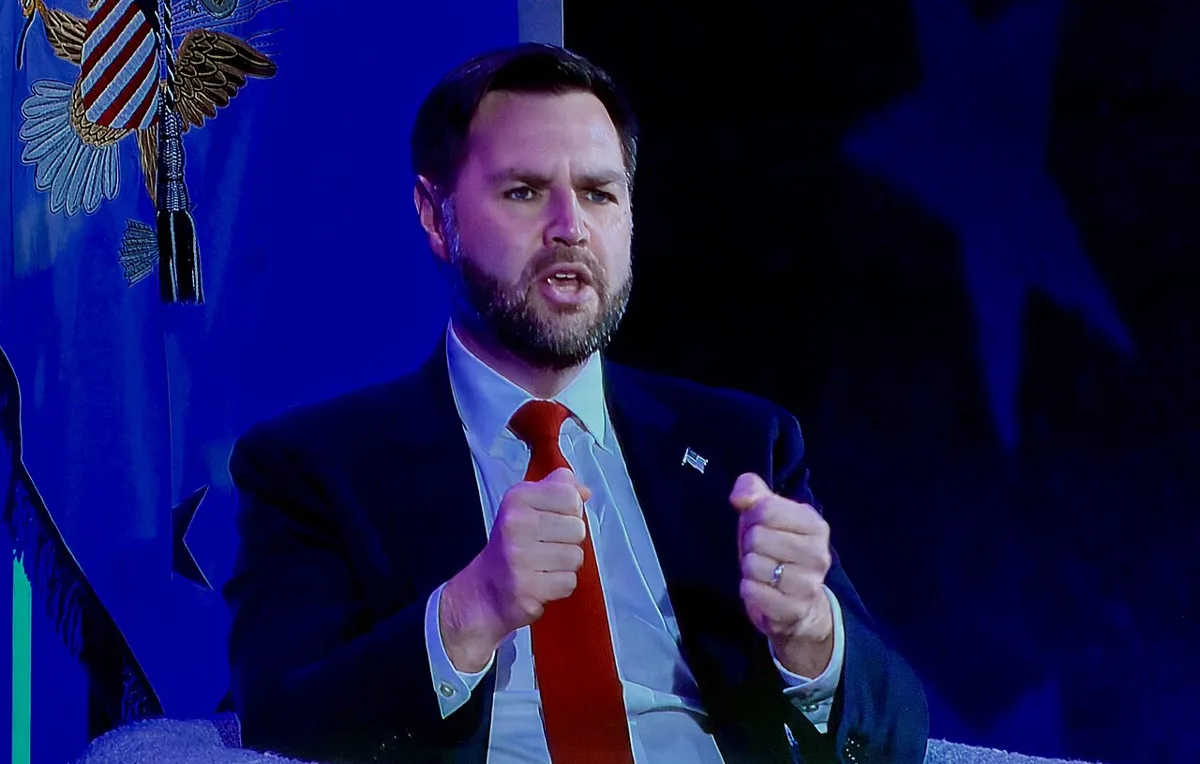
The Trump White House banned CNN, MSNBC, and Politico from the building, in part because they published anonymously sourced national security information from a senior administration official. That senior administration official was JD Vance. The Vice President of the United States planted a story and then helped ban the outlet that ran it.
Here Is Exactly What Happened
According to the Washington Post, back in June the Trump administration held a press background call with multiple news outlets. A White House aide opened the call with the standard ground rules: the briefing was on background, attributable to a senior administration official, no embargo. By staying on the line, every outlet agreed to those terms.
The senior administration official was Vance. He told reporters on the call that a peace deal with Iran was, quote, "80, 85 percent" done. Politico published that quote attributed to a senior administration official, exactly as the terms of the call required. Multiple agencies were on that call, Status News reports, and they all granted Vance the same anonymity. Standard practice. Has been for decades.
Then the White House banned Politico, CNN, and MSNBC from the building, citing among other justifications the "publication of sensitive security information" and the spread of "misinformation about national security information." They put that in a letter to a federal court. In writing. About a story sourced directly from the Vice President.
Vance Then Went on TV to Applaud the Ban
On Monday, before any of this came out, Vance said publicly that he supported banning Politico and the other outlets, calling Trump's decision "totally appropriate." He compared Politico to Breitbart, argued the outlets could still talk to people and attend public events, and framed the whole thing as a reasonable response to biased coverage.
"If you actually look at the objective analysis, Politico is as anti-Trump as Breitbart was anti-Obama or anti-Biden," Vance said. A man who had personally called Politico for a secret briefing and asked them to keep his name out of it was now endorsing their expulsion from the White House for publishing what he told them.
This is not a complicated situation to understand. It is, however, a staggering one.
A Judge Threw Out the Ban. The White House Ignored Him.
Late Wednesday night, Trump-appointed District Court Judge Timothy Kelly issued a temporary restraining order, lifting the ban and restoring press access for all three outlets. Kelly was blunt in his ruling. "The Court is skeptical — at least on this record — that Defendants' interest in safeguarding national security is the actual motivation for, or is even advanced by, the revocation of Plaintiffs' hard passes," he wrote. He noted that Trump himself, when announcing the ban, didn't mention national security at all. He talked about bad coverage.
Thursday morning, CNN, MSNBC, and Politico reporters showed up at the White House. They were turned away. No explanation given. A federal judge had just ordered the White House to let them in, and the White House said, in effect, no thank you.
Trump saw the ruling coming. The day the lawsuit was filed, he went on Truth Social to complain that the outlets had "drawn a great Judge, for them" and promised an appeal. "Almost without question and, as usual, we'll go for appeal," he wrote, because outlets that "write negatively" shouldn't have access to "the most important Office anywhere in the World." The man who appointed Judge Kelly was upset that Kelly was being fair. Classic.
The National Security Defense Is Now a Smoldering Wreck
The White House went to federal court and argued that anonymous sourcing on national security matters was a threat to the president's ability to protect the country. They submitted that argument in writing to a judge. They may now have to defend it while the opposing counsel waves around reporting that the anonymous source in question was the sitting Vice President of the United States.
As the New Republic points out, Vance is almost certainly not the only senior administration official who has ever given background briefings to the press. That is how background briefings work. The entire system of background sourcing that every White House, Republican and Democrat, has used for generations runs on exactly this arrangement. The White House invented a crime, prosecuted three outlets for it, and the chief witness against them turned out to be their own second-in-command.
The legal defense for this ban was always thin. It is now transparent.
The Dingo Take
You are supposed to believe this was about national security. A vice president calls reporters, asks to be kept anonymous, tells them a major diplomatic deal is nearly done, and then when they print exactly what he said under exactly the terms he agreed to, the administration bans them from the building for printing it. That is not a press freedom dispute. That is a shakedown.
The goal was never to stop leaks. The goal is to hurt outlets that produce critical coverage by stripping them of access, then using access itself as a reward for favorable treatment. Every White House plays favorites with the press to some degree. This administration is trying to formalize the punishment, write it into policy, and defend it in court as a national security necessity. Judge Kelly wasn't fooled. He read what Trump actually said when he announced the ban, noticed it had nothing to do with classified information, and called it what it was.
But here is the part that should genuinely alarm you: the White House ignored the court order anyway. A federal judge told them to let the reporters in. They didn't. Whatever legal fig leaf they were using to justify the ban, they have now dropped it entirely. They are just doing what they want and daring anyone to stop them. That is a different kind of story than a petty press spat, and it deserves to be treated like one.


Comments