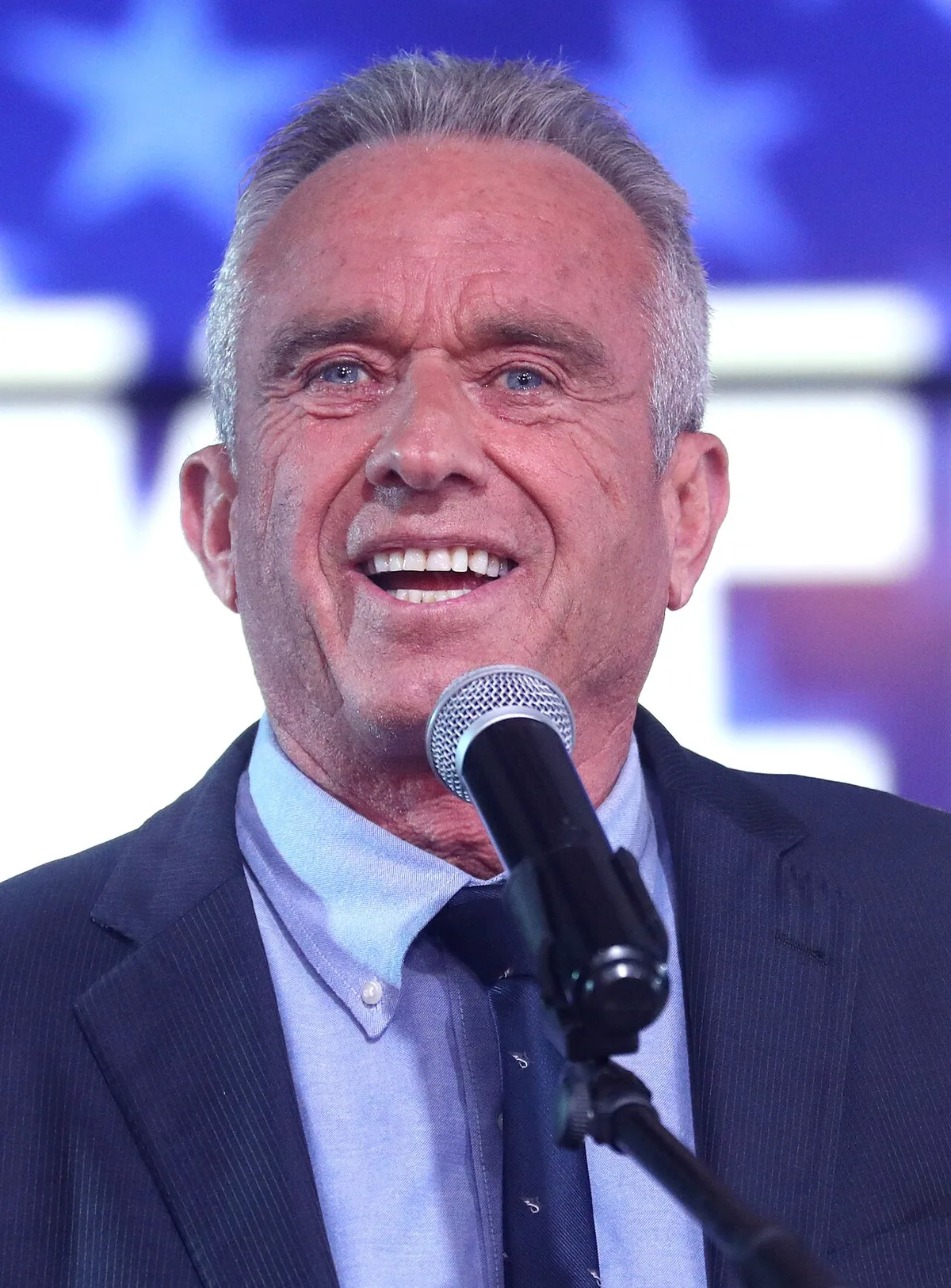
The health secretary of the United States likes injectable peptides. He has called himself a "big fan." He recently described using one to treat a muscle injury. So his department just told the FDA to stop enforcing its rules against pharmacies selling a half-dozen of them, over the objections of most of the agency's scientific staff.
The drugs in question have never been proven safe or effective. The people whose job it is to know that are the ones who got steamrolled.
The Scientists Said No. HHS Heard Maybe.
According to the Associated Press, as relayed by The Guardian, six people familiar with the process say most FDA scientific staff opposed the plan and had limited input in drafting it. The effort was driven almost entirely by Kennedy's Department of Health and Human Services. The sources spoke anonymously because they were discussing confidential deliberations, which tells you something about how comfortable they felt saying this out loud with their names attached.
The policy directs the FDA not to take action against specialty compounding pharmacies that sell a handful of wellness peptides, including BPC-157, TB-500 and KPV. Under existing FDA rules, those substances would otherwise be illegal drugs, because they never went through the agency's review for safety and effectiveness.
That review is the whole point of the FDA. It is the thing. You show the data, the scientists check the data, and then you get to sell the drug. This policy skips the middle part.
Plan A Was Worse, and the FDA Had to Say So
HHS did not start with enforcement discretion. Two of the people familiar with the process say HHS officials originally wanted the FDA to draft an official regulation adding BPC-157 and other peptides to the list of substances deemed safe for use by compounding pharmacies.
FDA officials told them no. The agency's scientists had major safety concerns and would not support a regulation declaring these things safe, because the scientists do not believe that they are. So HHS pivoted to a workaround: instead of saying the peptides are safe, tell the FDA to look the other way.
That is a neat trick. The policy avoids a direct confrontation with FDA staff because it never asks anyone to sign off on safety. It just asks the cops to go get coffee.
The FDA Already Put These on the Do Not Compound List
None of this is a close scientific call that the experts hadn't looked at. In 2023, the FDA added more than a dozen peptides, including BPC-157 and TB-500, to its list of substances that should not be compounded. The stated reasons were risks of allergic reactions, kidney damage and tumor growth.
Tumor growth. In a product marketed for healing injuries and boosting energy.
And the agency didn't change its mind. At a meeting in July, FDA staffers reiterated that more than half a dozen peptides brought forward for reconsideration remained unproven on both safety and effectiveness. Three months later, the policy dropped anyway.
This Is Not How Compounding Policy Works
Decisions about compounding have long rested with the FDA, not HHS. The agency has an office dedicated to protecting consumers from unsafe or poor-quality compounded drugs, and it built that focus the hard way. A deadly 2012 fungal meningitis outbreak was traced to contaminated injections from a Massachusetts compounding pharmacy.
Former FDA officials say it is extremely rare for HHS to take the lead in drafting compounding policy. Federal law does technically give HHS authority over essentially all drug regulation, which it then delegates to the FDA. So this is legal in the way that a parent technically owns the kid's lemonade stand. You can do it. People will notice why.
Compounding is now a multibillion-dollar industry. It used to be niche. Now it supplies customized medications to doctors, clinics and hospitals, and this policy opens a fresh product line for it.
The Gray Market Defense and the Guardrails
Kennedy's argument is that Americans are already buying peptides from the gray market, so legal pharmacies should be allowed to sell them. That part is real. Many people using peptides skip doctors and pharmacies entirely and order vials online from chemical manufacturers based in China. Sellers dodge US rules by stamping the products "for research use only," since the FDA doesn't regulate research chemicals.
To its credit, the final policy isn't a free-for-all. FDA staffers ultimately provided technical help, and the document includes safety measures: pharmacies must source ingredients from FDA-registered factories, collect information on side effects for safety analysis, and verify the chemical identity of the peptides.
Those are real improvements over a vial of mystery powder from the internet. They are also guardrails bolted onto a road the scientists said shouldn't be built. Better sourcing doesn't make an unproven drug proven.
The Dingo Take
Tumor growth. That was one of the risks the FDA cited in 2023 when it put BPC-157 and TB-500 on its do-not-compound list, and in October 2026 the health secretary's department told the agency to stop enforcing the rule. The secretary has said he uses BPC-157 himself.
Sit with the sequence. The scientists said the peptides were unproven. They said it in 2023, and they said it again in July. HHS then asked for a regulation declaring the stuff safe, got told the scientists wouldn't back it, and invented a workaround that didn't need their signature. That is not deregulation in the name of freedom. That is a man with a personal hobby using a cabinet department as his personal permission slip.
There is a real problem underneath this: people are injecting gray-market powder from overseas. Fine. Then fund enforcement, warn the public, and run the actual trials that would tell us whether these things work. Instead we got a policy where the agency built to say "prove it" has been ordered to say "carry on." The FDA staffers who bolted on safety checks deserve credit for salvaging what they could. Nobody should mistake salvage work for approval.


Comments