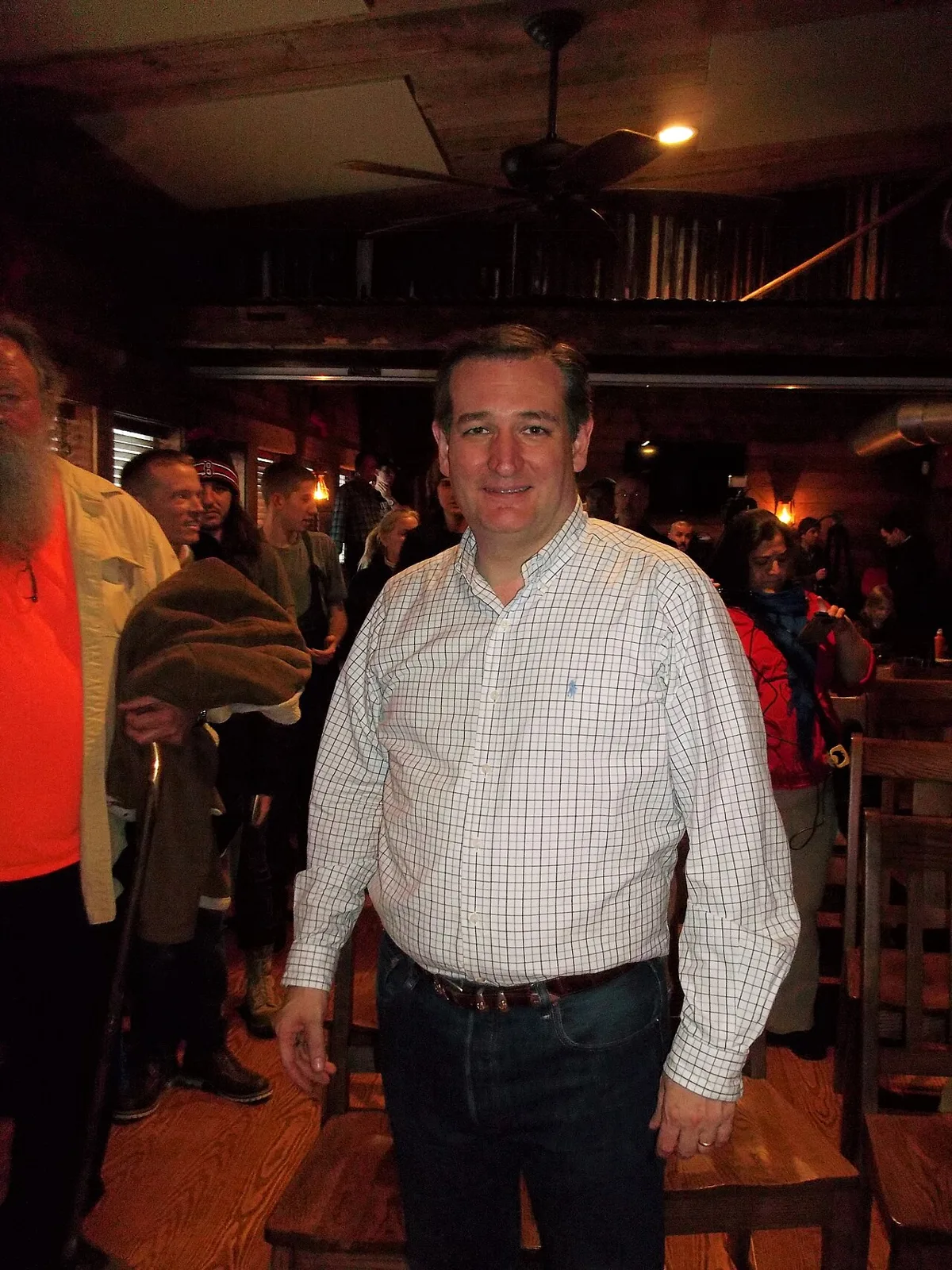
The Senate just passed a sweeping college sports bill 77 to 22, with Ted Cruz's name on it, and a lot of the athletes it claims to protect are furious about it. The Protect College Sports Act cleared the chamber Thursday, wrapped in the language of fairness and stability, while critics say it quietly strips student athletes of the legal tools they've spent years winning in court. Nothing says 'we're protecting you' like taking away your ability to sue.
What the Bill Actually Does
According to CBS News, the Protect College Sports Act establishes a federal framework for college athletics covering transfer eligibility, name image and likeness rights, and revenue sharing. It adopts a framework from an existing settlement agreement that allows universities to share roughly $21.6 million with athletes in the 2026-2027 school year, plus an athlete retention fund of an additional $22.5 million per institution. Athletes would get one transfer without losing eligibility, along with health and safety protections.
Senate Majority Leader John Thune called it the product of years of work, citing input from coaches, athletic directors and student athletes. The Big Ten and SEC both backed it. The White House backed it. Cruz, the bill's sponsor, said the current system is 'unsustainable, plain and simple,' pointing to students transferring three and four times and what he described as 'uncontrollable bidding wars' threatening smaller, less lucrative sports programs.
The bipartisan vote count, 77 to 22, looks like consensus from a distance. Up close, it looks considerably messier.
Cory Booker Had Thoughts, Many of Them
Democratic Senator Cory Booker of New Jersey, a former college football player, did not go quietly. CBS News reports he took to the Senate floor to argue that while there are 'good things in this bill worthy of trumpeting,' major athlete groups have not backed it because they know it 'undermines their rights, undermines their collective bargaining, undermines their health and safety.'
Booker's sharpest punch landed on the NIL question. He pointed out that he watched his own image appear in the Madden video game for years without seeing a dime. Athletes took that fight to the courts and won, repeatedly. And now, he argued, the moment athletes start winning their NIL rights through litigation, Congress materializes to 'save' those rights through legislation. 'That is a lie,' Booker said flatly on the Senate floor, which is not the kind of language you usually hear directed at a colleague's marquee bill.
The actual concern, as Booker laid it out, is that the bill strips athletes of their ability to legally challenge NCAA decisions going forward. The American Association for Justice, representing trial lawyers, opposes the bill on exactly those grounds. When the trial lawyers and the athletes' unions are both against your 'protection' bill, you might want to check the fine print.
The Democratic Backer Pushing Back on the Pushback
Senator Maria Cantwell of Washington is the bill's primary Democratic champion, and she pushed back hard on Booker's framing. CBS News reports she argued that the revenue-sharing framework matters precisely because the underlying settlement agreement that started the athlete-payment era could expire, meaning Congress locking it in is a genuine win for athletes.
'Us recognizing that money and recognizing the revenue sharing rights is a historic first,' Cantwell said. She also pointed to the bill's whistleblower protections, healthcare provisions, five years of eligibility, the preservation of women's and Olympic roster slots, and a provision creating an athlete commission to work through future issues including collective bargaining.
It is a real list of real things. The dispute is not really over whether any good exists in the bill. It is over whether the good things are cover for something worse happening in the background, specifically the legal liability shield the bill creates around the NCAA's authority.
Who Else Is Unhappy and Why
The Congressional Black Caucus put out a statement saying the bill 'has failed to meaningfully incorporate the perspectives of Black athletes, Black coaches, Black agents, HBCUs, or the Congressional Black Caucus,' according to CBS News. Given that Black athletes make up a disproportionate share of the players generating the revenue that funds college athletic departments, this is not a small objection.
Senator Chris Murphy of Connecticut warned the bill protects an exploitative system, and he raised a pointed question about timing. The Senate passed this legislation while preparing to leave town ahead of midterm elections, at a moment when voters are deeply focused on affordability issues. Murphy questioned out loud why the Senate was spending its last days in session on a college sports bill rather than on cost-of-living relief.
Some senators apparently shared that frustration, though GOP leadership had committed to giving the bill's sponsors a floor vote after the August recess. CBS News also disclosed that its own parent company, Paramount Skydance, has reported lobbying for this legislation in financial filings. That is a notable thing to bury at the bottom of a story about the bill's passage.
The NCAA Cartel Gets a Federal Moat
Here is the thing Booker kept returning to that deserves to sit on its own for a second. For decades, the NCAA operated as what amounted to a cartel over amateur athletics. Players generated billions. The NCAA paid them nothing and called it amateurism. When athletes finally started winning in court, the legal landscape shifted under the NCAA's feet and the organization had to adapt.
Now Congress is stepping in to codify a framework the NCAA can live with, including provisions that, per Booker's reading and the trial lawyers' reading, make future litigation significantly harder. The NCAA has tried and failed to get Congress to intervene on its behalf for years. This is the closest it has come to succeeding.
The bill goes to the House next, where its prospects are less certain. But the 77-vote Senate margin suggests it has serious momentum.
The Dingo Take
You are supposed to believe that a bill Ted Cruz wrote, that the White House endorsed, that the SEC and Big Ten lobbied for, and that the NCAA finds tolerable, is primarily designed to protect college athletes. The athletes themselves largely disagree. The trial lawyers who have been winning cases for those athletes disagree. The Congressional Black Caucus disagrees. But sure, trust the cartel on this one.
There is a version of this bill that could have been good. Revenue sharing is genuinely new. Health protections are real. Five years of eligibility is something athletes wanted. Cantwell is not wrong that the settlement framework could expire. But the difference between a bill that helps athletes and a bill that helps the system that has exploited athletes for a century is exactly the legal liability question that Congress just quietly answered in the NCAA's favor. That is not a footnote. That is the ballgame.
The Senate did all this with midterms weeks away, while voters are struggling with grocery bills and rent. Seventy-seven senators found time to stabilize the business model of college football. Cost-of-living legislation might come 'later this week,' which in Senate-speak means maybe never. Priorities, folks. Priorities.


Comments