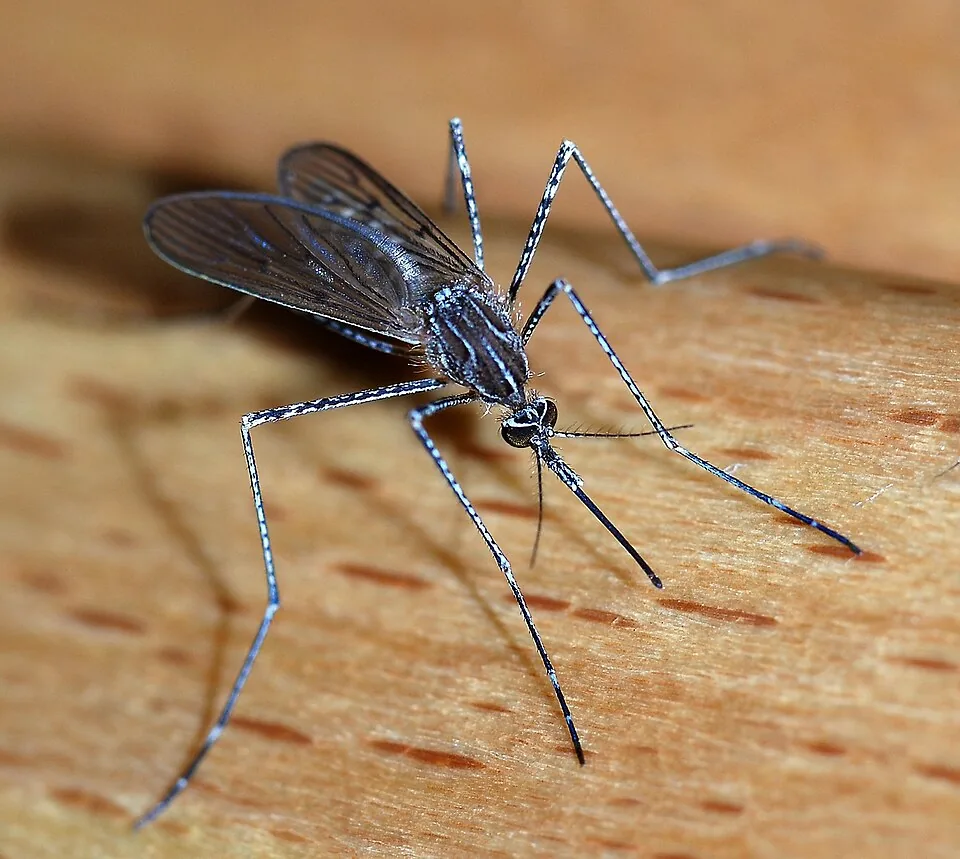
Three Florida counties along the Gulf Coast have declared states of emergency after locally acquired dengue fever cases surged to levels the region has never seen before. This isn't imported cases from travelers, which is the usual story. People are catching dengue in their own backyards, and experts say they saw this coming from miles away.
What's Actually Happening on the Gulf Coast
According to NBC News, the outbreak is centered in the Tampa Bay area, where three counties have now formally declared emergencies in response to an unprecedented surge in locally transmitted dengue fever cases. That word, locally, is doing a lot of work in this story. It means the mosquitoes already living in Florida are infected. It means the virus has a foothold.
Dengue fever is not a minor inconvenience. It's a mosquito-borne viral illness that causes severe flu-like symptoms, excruciating joint and muscle pain, and in its most dangerous form, hemorrhagic fever that can kill. The nickname for dengue in affected regions is 'breakbone fever.' That tells you what you need to know about what patients are going through right now in the Tampa Bay area.
Experts Say They Knew This Was Coming
Here's the part that should make your blood run cold. NBC News reports that public health experts describe this outbreak as something that was 'only a matter of time.' Not a fluke. Not a black swan. A foreseeable event that the region, and by extension the people responsible for preparing it, had every reason to anticipate.
The logic isn't complicated. Climate change has pushed the viable range of dengue-carrying mosquitoes, particularly Aedes aegypti, steadily northward for years. Florida's heat, humidity, and standing water make it a near-perfect environment for those mosquitoes to thrive and spread disease. Scientists have been raising the alarm about exactly this scenario for over a decade. The warnings existed. The question is what was done with them.
The answer, based on the current situation in three counties now in a state of emergency, is apparently not enough.
The Bigger Picture Nobody Wants to Say Out Loud
Florida is no stranger to mosquito-borne illness. The state has dealt with Zika scares, isolated dengue cases linked to travel, and chronic battles with mosquito populations. But locally acquired cases at this scale represent a qualitative shift, not just a quantitative one. This is the difference between a brushfire and a house that's fully involved.
Public health infrastructure, the unglamorous system of disease surveillance, vector control, community outreach, and emergency response capacity, is what stands between a containable outbreak and a catastrophe. That infrastructure has been under sustained political and budgetary pressure for years, and the agencies responsible for it at the federal level have not exactly been operating at peak strength lately. Connect those dots yourself.
What a State of Emergency Actually Does
A state of emergency declaration is not just a press release. It unlocks emergency funding, removes bureaucratic barriers to rapid response, and allows local governments to commandeer resources they wouldn't normally have access to. In practical terms, it means more mosquito spraying, more public health messaging, and more coordination between county agencies and state health officials.
Whether that response will be fast enough, well-funded enough, or competent enough to contain this outbreak is the question residents in those three counties are living with right now. States of emergency are also, it must be said, an acknowledgment that normal operating capacity is insufficient. Three counties declaring emergencies simultaneously is not a routine day in Florida public health.
Who Is Actually at Risk
Dengue hits hard, but it doesn't hit everyone the same way. Severe dengue, the version that can be fatal, is most dangerous for the elderly, young children, people with underlying health conditions, and critically, people who have already had dengue once before. A second infection with a different strain of the virus dramatically increases the risk of severe hemorrhagic symptoms. That makes ongoing transmission in a population particularly dangerous over time.
For most healthy adults, dengue is miserable but survivable. That framing can cause complacency. The public health concern here is about the full population of the affected region, including everyone who is not a healthy adult, and about what happens to the virus's reach if this outbreak is not aggressively contained before the next mosquito season hits.
The Dingo Take
When did Florida get put in charge of beta-testing America's climate future? Because that's essentially what's happening. Three counties in emergency, a mosquito-borne tropical disease circulating locally at unprecedented levels, and a chorus of public health experts saying they saw this coming. This is the part where we're supposed to be surprised. We are not supposed to be surprised.
The federal agencies that track disease emergence and coordinate outbreak responses have spent the last several years being systematically weakened, underfunded, and in some cases actively hollowed out by an administration that treats public health expertise as an ideological threat. The CDC doesn't exactly have a reputation right now for being a well-resourced, politically insulated institution firing on all cylinders. That is not an accident. It is a policy outcome. And here is a dengue emergency on the Gulf Coast to go with it.
None of this means dengue fever is definitely going to spread beyond those three counties. Containment is possible. Local and state responses can work. But 'it's only a matter of time' is what scientists said before this outbreak, and it's also what they're saying about the next one, in Florida or somewhere else that used to be too cold for these mosquitoes. Climate change moves slowly enough that we can ignore it until it doesn't. Then you get breakbone fever in Tampa Bay in October, and three counties staring at a state of emergency they were told was coming.




Comments