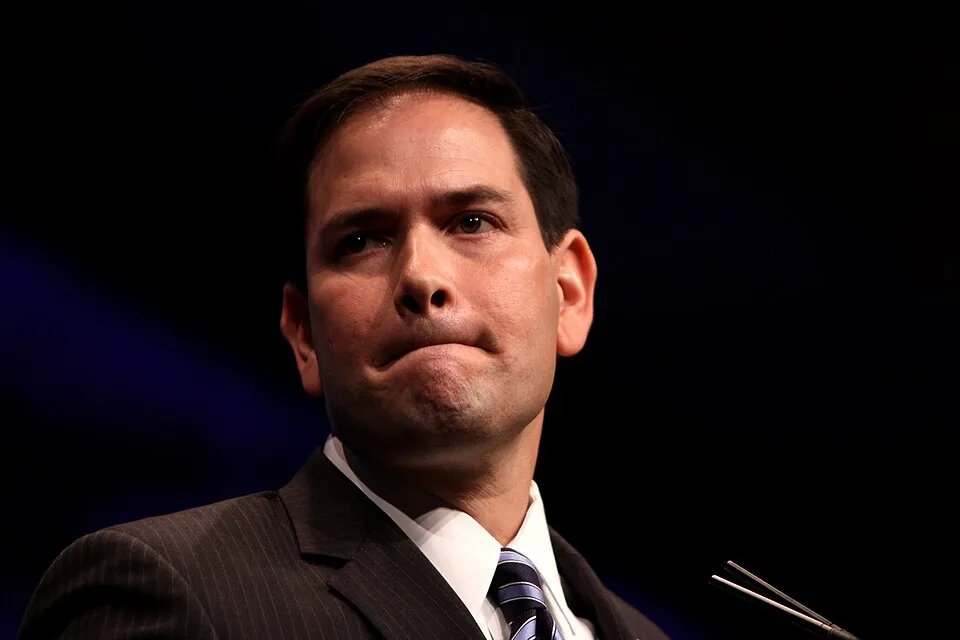
Hours after a former judge of the International Criminal Court won the Nobel Peace Prize, Secretary of State Marco Rubio posted a video promising to cripple the court's ability to function. His message to the tribunal was a choice: "Either the ICC will end its threats, or we will end the ICC." The timing was either a coincidence or the most on-brand piece of diplomatic trolling in modern American history.
The Nobel Committee Called. Rubio Called Back.
Here's the sequence, per The Guardian's reporting. A former ICC judge gets handed the Nobel Peace Prize. Hours later, the Secretary of State of the United States goes on X and announces the administration will "ban transactions with this rogue court, cutting off their resources and crippling their ability to operate against us."
That's not a rebuttal. That's a victory lap in reverse. The world's most prestigious peace award lands on a person who served on this court, and Washington's response is to announce it will starve the institution of money.
Rubio's pitch was blunt. "The United States and the American people are not subject to the jurisdiction of this fake ICC," he said. "We don't need that court and we don't want it." Nobody asked him to explain what a "fake" court that apparently needs to be crippled actually is. Real courts get ignored. Fake ones, apparently, get sanctioned.
What the Sanctions Actually Do
The mechanics are fairly specific. The new sanctions block any assets the ICC holds in US jurisdictions. They also give American companies and individuals six months to wind down any business with the tribunal.
There's a wrinkle, though. The sanctions reportedly allow the ICC to address the US government's concerns, and certain transactions are exempt. So the threat comes with an off-ramp, which looks a lot like the shape of a shakedown: stop doing the thing we don't like, and we'll ease up.
The ICC itself did not take it as a negotiation. The court called the move "an attempt to obstruct the course of justice and to prevent the Court from doing what it was created to do."
The Court Fires Back With Words, Because Words Are What It Has
The ICC's statement didn't hedge. It described the sanctions as "an assault on the rule of law and on the very foundations of the international legal order." It warned that "history will judge this moment." And it urged other member states to make sure the court can keep operating.
That last part is the tell. A court asking its members to help it stay solvent in the face of American financial pressure is a court that knows exactly how much leverage it has against the largest economy on earth. Spoiler: not much.
The ICC was established in 2002 to hold countries accountable for war crimes, genocide and crimes against humanity. The United States has never been a member. It has, however, spent a remarkable amount of energy making sure the court knows how little it matters.
A Greatest Hits Album of Sanctions
This isn't the first track. It's more like the fourth single off a long-running record.
Trump sanctioned the court during his first term. The Biden administration reversed those. Then Trump came back in 2025 and signed an executive order imposing sanctions over the court's investigations into Israelis and Americans. From there it just kept escalating. The administration piled on sanctions targeting judges and lawyers at the court. In August, it went after the ICC president, Tomoko Akane.
So the pattern is clear. Every time the court does something Washington dislikes, the response grows. Judges, then lawyers, then the president of the court, and now the institution's ability to hold or move money.
The Netanyahu Problem and the Afghanistan Footnote
The administration's stated grievance is that the court is politicized and unfairly targets Americans for war crime charges. The sharpest irritant has been the arrest warrants the ICC issued for Israeli officials, including Prime Minister Benjamin Netanyahu.
Now look at the Americans part. The ICC did open an investigation into the actions of US soldiers in Afghanistan. But that case has been closed. So the headline grievance, that the court is hunting American troops, concerns an investigation that no longer exists.
That leaves the Israeli warrants as the live wire. The sanctions are being sold as protecting Americans, while the active dispute is about shielding a foreign leader from a warrant.
The Dingo Take
The administration says the ICC unfairly targets Americans for war crimes. The facts in this very story say the Afghanistan investigation into US soldiers has been closed. The court is not chasing American troops. It issued warrants for Israeli officials, and Washington is treating that as an attack on itself.
Then there's the "we don't need that court and we don't want it" line. If the court is irrelevant, why the escalating sanctions on its judges, its lawyers, its president, and now its bank accounts? Nobody builds a six-month wind-down plan to ignore something. You do that when you're terrified of the thing you claim doesn't matter.
And the Nobel timing is a gift. The world just gave a peace prize to someone who served on this court, and the response from the United States was a threat to "end the ICC." That's the whole argument against the court's critics in a single news cycle. When a government's answer to accountability is to cut off the funding, it has told you everything you need to know about how it feels about being held to account.



Comments