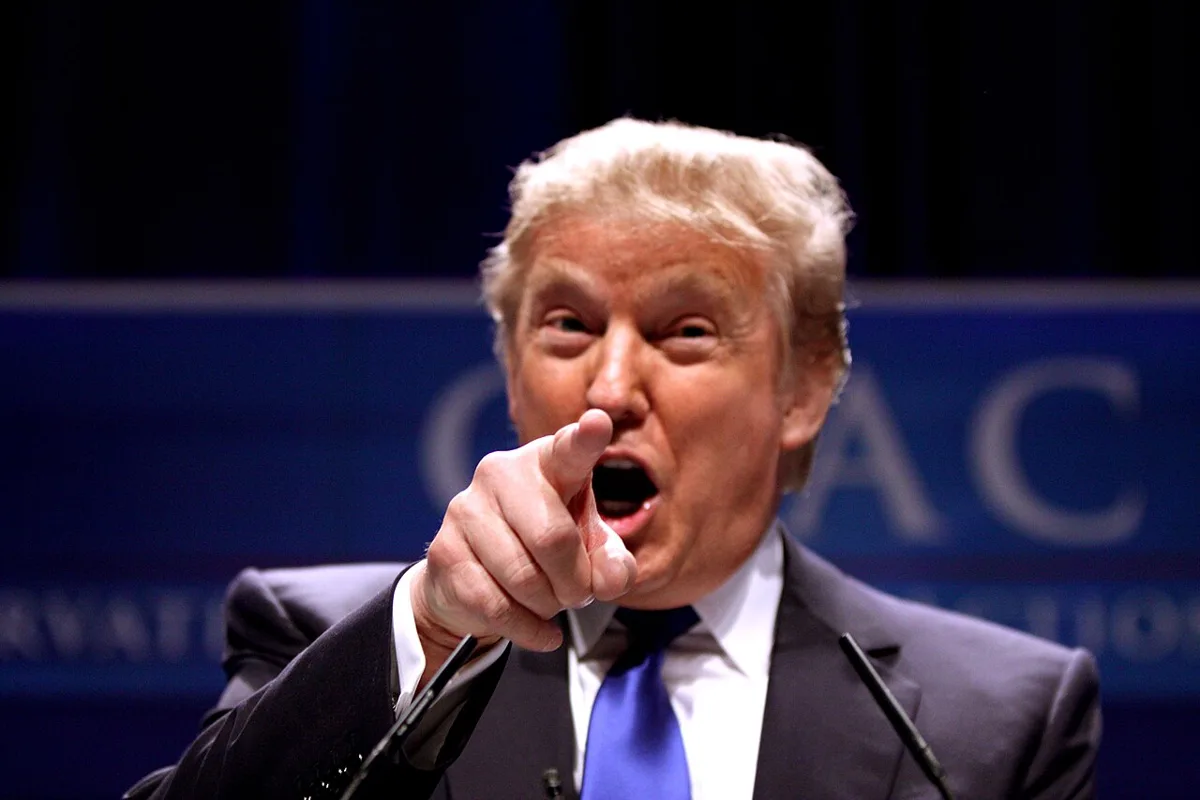
Three weeks ago, Donald Trump signed legislation authorizing fresh sanctions and tariffs on any nation that buys Russian oil and gas. This week, he announced that Vladimir Putin has agreed to ship hundreds of thousands of tons of Russian diesel to the United States and world markets. The reason is not strategy. The reason is that Iowa farmers can't afford to fill their tractors and the midterms are coming.
The Fastest U-Turn in Foreign Policy History
Let's lay out the timeline, because it deserves to be read slowly. Trump signed a sanctions bill targeting buyers of Russian energy. Twenty-one days later, he went on Truth Social to announce that the United States would be one of them, according to BBC News.
This is the equivalent of signing a strict no-smoking ordinance and then lighting up on the courthouse steps while the ink is still wet. Nobody forced his hand. The man chose to do it, publicly, in writing, in capital letters.
His stated reason: "Lower prices for Americans, especially our Great Farmers, Ranchers, and Truckers, is my Greatest Priority." Sure. And the sanctions he signed three weeks ago were presumably the second greatest.
Zelensky Called It a Gift. He Wasn't Being Polite.
Ukrainian President Volodymyr Zelensky did not mince words. He called the deal a "gift" to Putin that Russia would "repay" with "terror and perfidy." He added, on X, that "allowing Russia to sell petroleum products is an investment in a war that must be ended, not prolonged."
He is right, and it's not complicated. Russia needs hard currency to keep its war machine running. Selling diesel to the largest economy on earth is a very efficient way to get it. Every barrel that crosses the ocean is money that eventually turns into ammunition pointed at Ukrainian cities.
What Russia gets in return beyond cash is unclear, because the details of how this deal works are mostly missing. Trump's Truth Social posts are famously light on specifics. We know what Putin gets paid. We have no idea what else he gets.
The Diesel Math Doesn't Even Work
Here's the part that should really sting. The United States burns roughly 3.6 million barrels of diesel a day. The 300,000 tons Russia has promised this month works out to about half of one day's American consumption.
Half. Of one day. That is the prize for helping bankroll the invasion of a sovereign European country.
And there's more. Russia's diesel refining capacity has been battered by repeated Ukrainian strikes, strikes Trump has been pushing Zelensky to scale back. So the plan is to lean on Ukraine to stop hitting the refineries, then buy fuel from the refineries Ukraine hasn't hit. You couldn't write a more tangled loop if you tried. Nobody has said how fast any of this fuel would actually reach a gas station near you.
Why a War Is Coming Home to the Heartland
Zoom out and the desperation makes sense. The Iran war sent energy prices through the roof, and the inflation spread from the pump to the grocery shelf. Over the past seven months, prices on fuel, energy, and consumer goods have only gone up, even as the administration kept promising relief was around the corner.
Agricultural states have taken the worst of it. Farming runs on diesel, from the tractors in the field to the trucks hauling product to market. That's why places like Iowa, Kansas, Texas, and Ohio have become unexpected battlegrounds in an election that will decide whether Republicans keep Congress.
Trump has been throwing everything at the problem. He pressured European allies to tap their oil reserves. He deferred federal fuel taxes. He let farm-designated fuel supplies be used in interstate trucking. He even promised not to renew attacks on Iran until after the midterms, which is about as frank an admission as a president can make that a war's timeline is being set by the polling calendar.
The Cake Is Already Baked
The cruelest detail may be the timing. Early voting has already started in many states. The G7 diesel release and the European reserve push haven't moved prices meaningfully, and there's no word on when Russian barrels would arrive.
So the gamble is that voters will give Trump credit for a deal whose benefits they won't feel before they cast their ballots. As the BBC put it, the political cake is all but baked.
Trump is left hoping that voters believe his promise of imminent economic relief is more than empty words. After seven months of price hikes and assurances that victory was nearly at hand, that is a very big ask of a very tired public.
The Dingo Take
In 1980, Jimmy Carter's hostage crisis dragged on until Americans decided the man couldn't finish anything. Trump is running the opposite play: finish everything fast, principles optional, and pray the receipt doesn't arrive until after Election Day. A sanctions bill he signed three weeks ago is already a dead letter, and the guy who signed it is the one who killed it.
The real scandal isn't hypocrisy. Politicians flip. The scandal is the price tag. For roughly half a day's worth of American diesel, the United States is handing hard currency to the man whose army is leveling Ukrainian cities, and the White House is calling it a farm policy. If a Democrat had done this, the cable networks would have cleared their schedules for a month.
And for what? Prices haven't budged. Early ballots are already coming in. The people most likely to feel any relief are the ones who'll have voted before the first tanker docks. Trump traded Ukraine's goodwill and America's credibility on sanctions for a press release. That's not a deal. That's a man selling off the furniture to pay for a party that's already over.

Comments