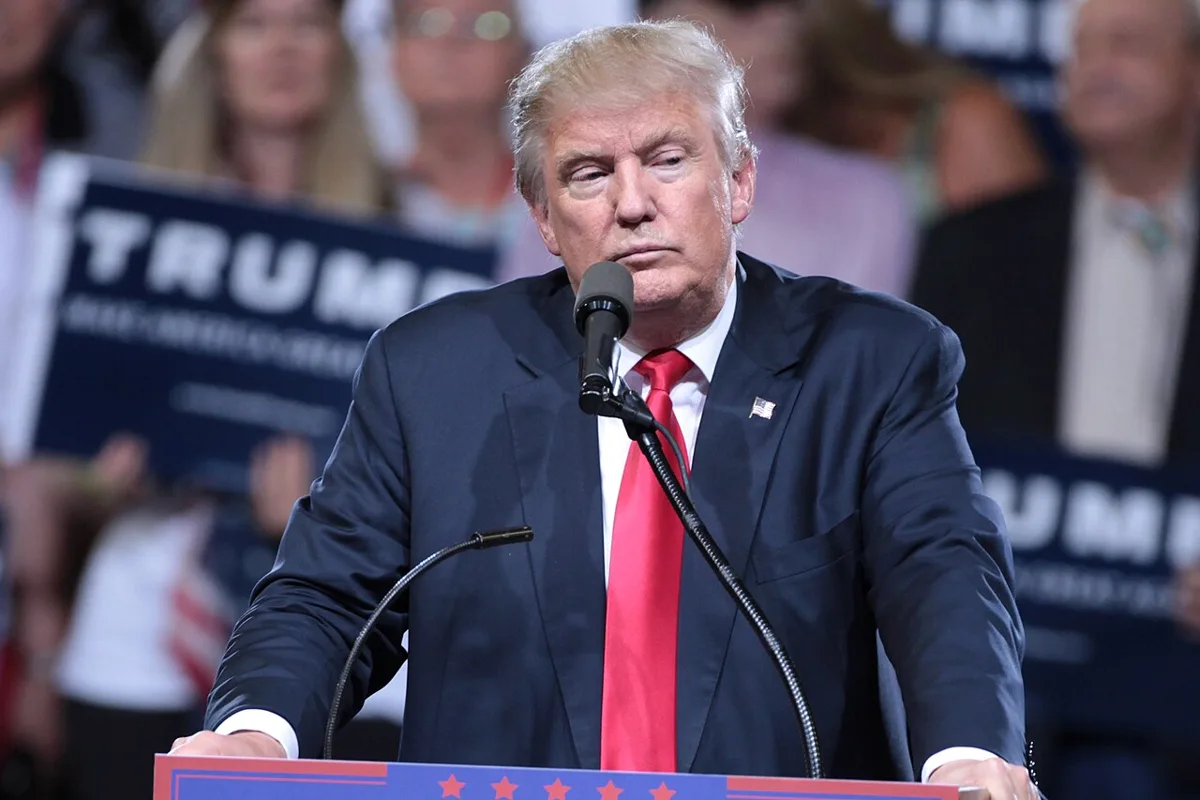
President Trump announced an "energy ceasefire" between Russia and Ukraine on Sunday, which would be a real diplomatic achievement if one of the two countries involved had agreed to it. Russia hasn't. Ukraine wants a different deal entirely. But a White House official says Trump expects Volodymyr Zelensky to abide by it, which is a bold thing to say about an agreement that exists only in the president's mouth.
A Ceasefire Nobody Signed
Axios reported that Trump's announcement referred to a potential deal in which each side stops attacking the other's oil refineries. Note the word "potential." A White House official told the outlet the president expects Zelensky to abide by it, and that is where the actual news lives.
Russia has not accepted any kind of ceasefire. Not an energy one, not a partial one, not a ceasefire for refineries or for anything else. The other party to the agreement has said nothing that resembles yes.
So what exactly did Trump announce? A deal. With himself. Axios put it more politely, saying he appears to be trying to "singlehandedly will a partial ceasefire into existence." That is the generous reading, and it still sounds like a man doing a magic trick with an empty hat.
Ukraine Wants a Different Deal
Here is the part that should make your eye twitch. Ukraine does want a ceasefire. It just wants one that forbids attacks on power plants, because those are the targets that keep the lights and heat on for civilians heading into winter.
The White House version starts with oil refineries instead. The official told Axios that if those attacks stop, a deal to quit hitting power plants and energy grids could come next. Could. Next. Someday, presumably, after the refineries have been taken care of.
Look at what that sequencing does. It puts the infrastructure Russia has been hammering at the back of the line and the infrastructure that funds Russia's war machine at the front. Ukraine asked for the first thing. The announcement offered the second. And Zelensky is expected to say thanks.
Who Is Actually Expected to Comply
Read the White House official's framing again. The statement was not that Russia would abide by the deal. It was that Trump expects Zelensky to.
That is a strange emphasis for a ceasefire that Russia hasn't accepted. The country that has not agreed is the one nobody is publicly leaning on. The country that wants something different is the one being told what to do.
If you are Ukraine, you have spent years being bombed by a neighbor that doesn't take your calls. Now the president of your largest backer announces terms you didn't negotiate with a counterpart who didn't say yes, and your side gets the compliance expectations. Forgive Kyiv for noticing the pattern.
The Refinery Trade Is Not a Neutral Swap
Oil refineries sound like an even trade, and that is the sales pitch. Each side stops hitting the other's refineries, everybody keeps their gasoline, and we all go home. But the two countries are not in the same position, and the war has not treated their energy systems the same way.
Refineries are how a country turns crude into fuel and money. Power plants and grids are how a country keeps hospitals running and apartments warm. One of those is an economic target. The other is the difference between a bad winter and a humanitarian disaster.
A deal that protects the first while leaving the second for a later conversation is a deal with a very particular shape. Whether anyone intended that shape is a separate question. The shape exists either way, and it is not subtle.
Announcing First, Negotiating Later
None of this is new. Trump announces the outcome and then the world scrambles to figure out whether anyone agreed to it. It is a governing style built on the idea that if you say a thing confidently enough, reality will feel awkward about contradicting you.
Sometimes that works. Sometimes a counterpart goes along rather than embarrass a powerful person in public. But Russia has given no sign it will play along here, and a ceasefire is not a press release. It requires two armies to stop doing something they are currently doing on purpose.
The risk is not just that the announcement flops. It is that Ukraine gets framed as the holdout when it doesn't take the deal, even though the only party that has actually refused to engage is the one that started the war.
The Dingo Take
You cannot announce a ceasefire that the other side hasn't agreed to.
You can announce a hope, a goal, a vibe, or a thing you would like to see happen. But a ceasefire takes two. Russia has accepted nothing, Ukraine is asking for something else, and the White House response was to say Zelensky is expected to comply. That is not diplomacy. That is a press release with a chip on its shoulder.
Here's what actually matters. If this thing collapses, and the early signs say it will, watch who gets blamed. The setup is already in place: Trump made an offer, Ukraine didn't take it as written, and the story writes itself from there. Meanwhile the country that hasn't said yes to anything keeps its options open, and the country whose power grid is under fire keeps waiting for a deal that protects it. That is a terrible order of operations for anyone who cares how this ends.


Comments