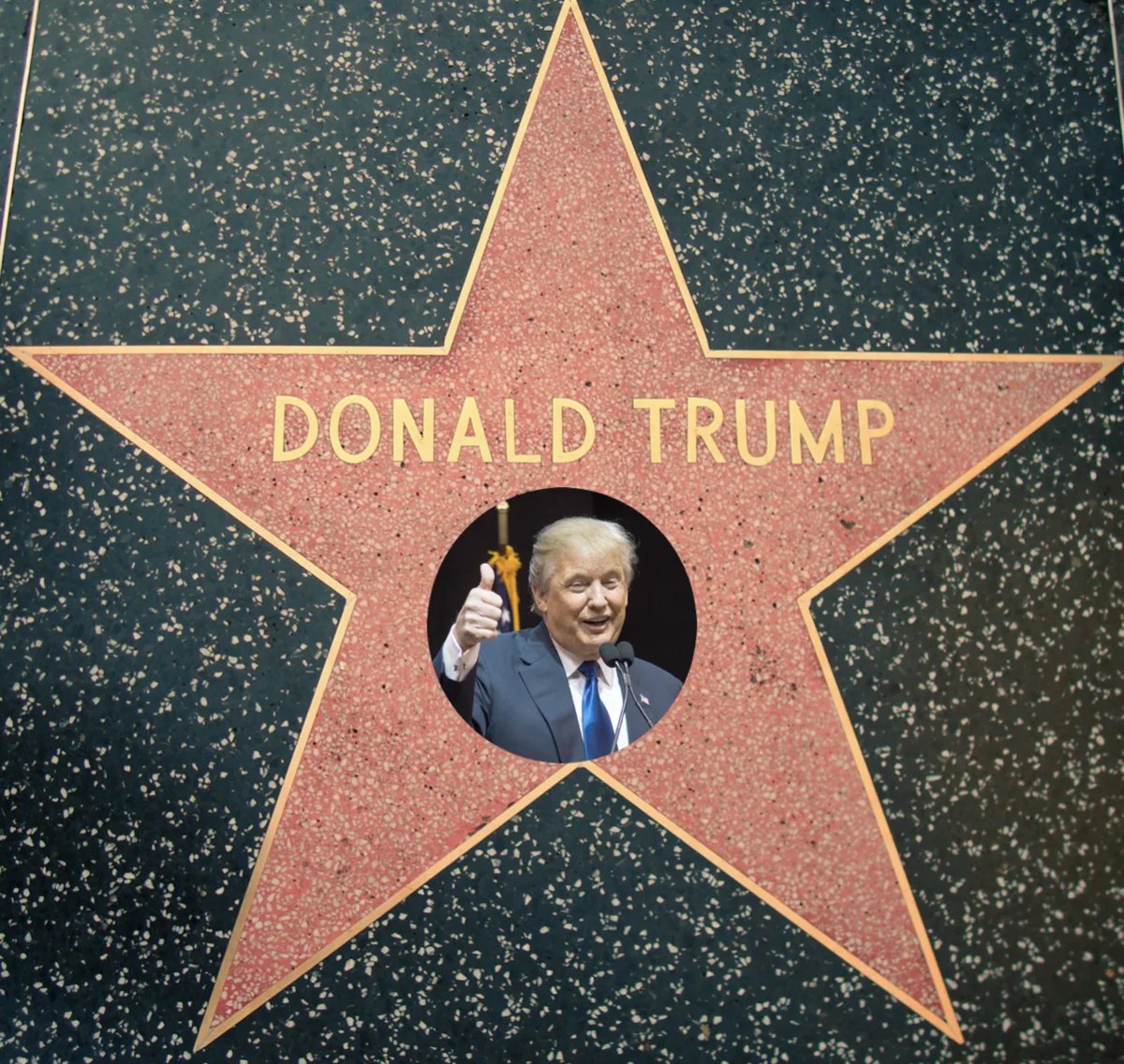
One day after Donald Trump announced he'd buy millions of tons of Russian diesel from Vladimir Putin, Russian bombs hit residential buildings in Zaporizhzhia and killed at least 11 people, three of them children. Sixteen more were wounded. The president was supposed to be calling Putin about a suspected plague case, and instead he came out of it with a fuel deal.
The Timeline Does Not Need Help From Us
Here are the facts, per CBS News, and they barely need commentary. On Friday, Trump announced on Truth Social that Russia would hand over more than 300,000 tons of diesel immediately. On Saturday, Russian aerial bombs hit apartment buildings in Zaporizhzhia.
Mykhailo Semikin, head of the regional military administration, confirmed the strikes. Ivan Fedorov, co-chair of the region's defense council, put the wounded at no fewer than 16. Three of the dead were kids.
This was not an isolated bad night, either. Russian bombardments have killed more than 60 people over the past four days. The deal was announced into the middle of a bombing campaign, and the campaign kept going.
A Plague Call That Turned Into a Fuel Sale
Let's savor the origin story. Trump got on the phone with Putin, reportedly expecting to discuss a suspected case of plague in Russia. Plague. An actual medieval pandemic, and somehow that call ended with a diesel purchase order.
Then came the numbers. More than 300,000 tons right away. Another 500,000 tons in November. A million tons "immediately thereafter." And then, in Trump's words, "based on the condition of their Diesel Refineries," Russia would deliver 3,000,000 more tons within a short period.
Read that sentence again. The refineries are in such rough shape, in part because Ukraine keeps hitting them, that Trump's pitch amounts to buying fuel from a country whose capacity to make it is visibly strained. Putin walked in with a plague scare and walked out with a customer.
Signed Into Law One Month, Waived the Next
Last month, Trump signed a sweeping Russia sanctions law designed to choke off the oil and gas revenue that funds the invasion. The ink has barely dried. On Friday, the Treasury Department announced it would temporarily waive sanctions on Russia's energy sector to "allow the supply of Russian diesel to the global market."
So the same administration that put its name on a bill to starve Moscow's war chest is now opening the faucet. The official framing is about getting diesel to the global market. The political motive is not subtle. This is an attempt to knock down fuel prices before the midterms.
That is the whole logic. Americans are mad about gas and diesel costs, an election is coming, and the fix on offer is a check to the country that has been bombing Ukrainian apartment blocks for over four and a half years.
Zelenskyy Called It What It Is
Volodymyr Zelenskyy did not hold back, and he had no reason to. He said Russia would repay the deal "with further terror and perfidy," and framed it as an investment in prolonging the war. "It plays into Russia's hands," he wrote, "allowing it to kill more, wage war for longer, have even less respect for America, and inflict even greater losses and damage on the world."
According to a statement from the Ukrainian Embassy in Washington, he called it "a weak decision, unfortunately, a weak decision by strong partners." That last phrase is a diplomat's way of saying something much angrier.
And he turned out to be right about the very next morning. Whatever you think of the diesel math, the bombs fell on schedule.
Peace Talks as a Smoke Screen
The timing gets worse. Trump dropped the diesel news while his envoy Steve Witkoff and son-in-law Jared Kushner were sitting in Miami with Ukrainian officials, discussing a proposal to end the war.
So while one set of Americans was supposedly negotiating peace with Kyiv, the president was cutting a side deal that pays Moscow. Zelenskyy said as much: "I believe our team is simply being used as a smoke screen. And that is certainly not fair. It is certainly not how partners should treat each other."
The front lines are largely deadlocked. The war has become a long-range aerial slugfest, and Ukraine is struggling to counter the escalating bombardments. In that setting, a flood of Russian fuel revenue is not a neutral economic transaction. It is ammunition money.
The Dingo Take
The people of Zaporizhzhia did not get a vote on any of this. They got a Saturday of rubble, a body count that included three children, and a president across the ocean who looked at their war and saw a pump price problem.
Trump will say this is about energy and affordability, and maybe some of his voters will buy it. But you cannot sign a sanctions law in September, waive it in October, and expect anyone to believe you are serious about squeezing Putin. A man who wants to squeeze Putin does not make Putin a major supplier of the American fuel supply. He makes Putin a vendor with leverage.
The midterms are coming, and the administration has decided cheap diesel matters more than the optics of bankrolling a country that is bombing apartment buildings. Fine. Own it. But do not tell Kyiv this is a partnership while the invoice is being paid in Ukrainian lives.



Comments