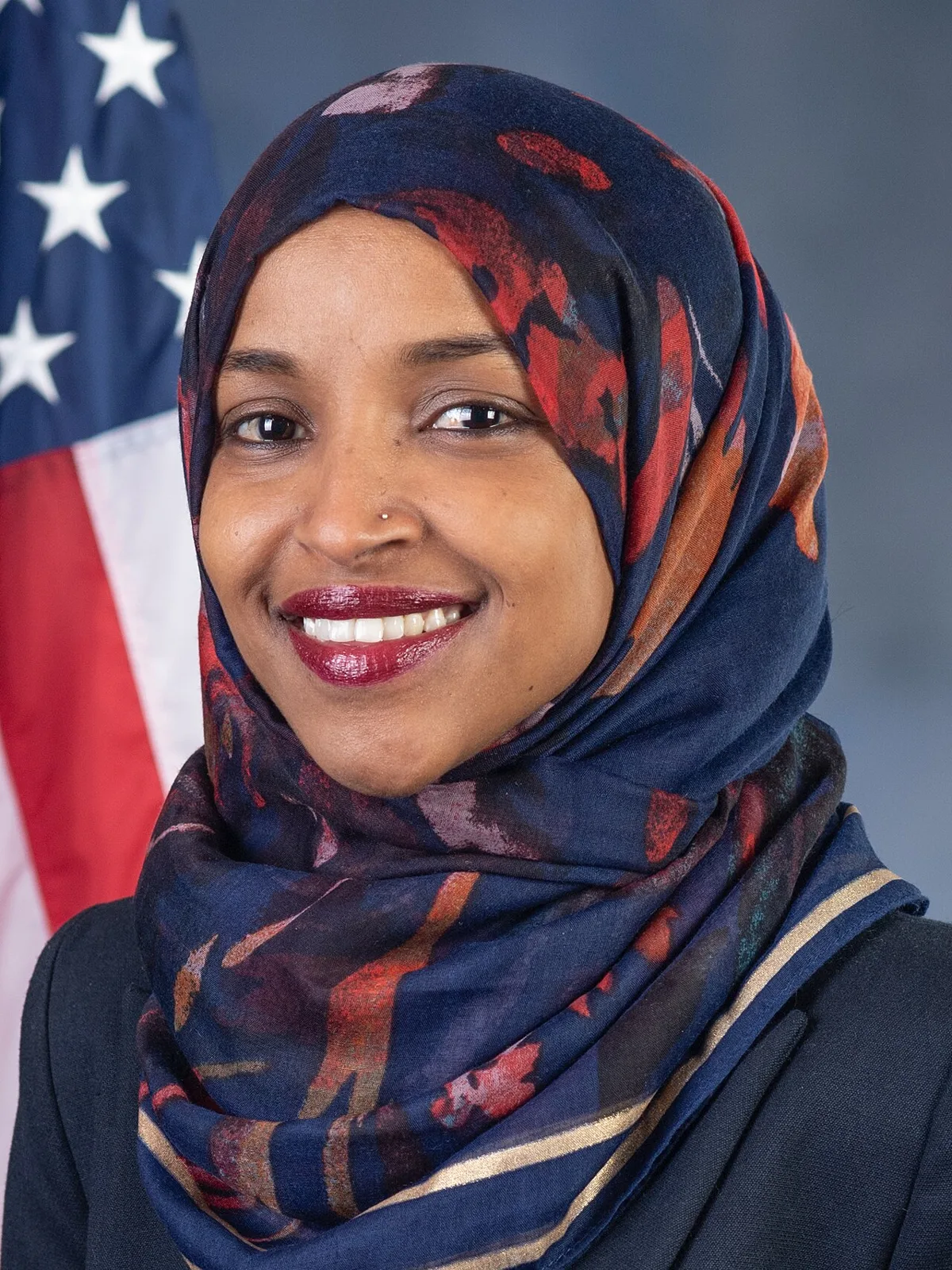
Fifteen to twenty Homeland Security agents walked out of Rep. Ilhan Omar's Washington home on Monday morning, 22 days before she faces voters in the midterm elections. The Justice Department says it's all part of an ongoing criminal investigation. It declined to say what the investigation is about, or even to confirm the warrant was for Omar.
What We Actually Know About the Search
Per NBC News, Homeland Security Investigations agents searched Omar's D.C. home Monday morning. A DOJ spokesperson said the agents "executed a judicially authorized search warrant secured by the Department of Justice" as part of "an ongoing federal criminal investigation."
That statement is a masterpiece of saying nothing. It never names Omar. It never names a crime. It never explains what a team of 15 to 20 agents was hoping to find in the home of a sitting member of Congress.
A person familiar with the probe told NBC it is a years-long investigation that involves whistleblowers. That is the entire public record of the substance. Everything else is a locked door and a press statement.
Fox News Got the Scoop First
Fox News reported the search first. Omar's spokesperson hadn't responded to NBC's request for comment when the story went up, and the White House and DHS both punted questions to the Justice Department.
So the agency that carried out the search won't talk about it. The White House won't talk about it. The friendly cable network somehow knew about it. Funny how that works.
Tom Homan Called His Shot Last Month
Here's the part that should make everyone uncomfortable. Last month, border czar Tom Homan went on Fox News and announced that Omar was being investigated by the Department of Homeland Security.
His quote: "If someone committed immigration violation, if someone committed marriage fraud or anything like that, regardless if they're a congressman or not, no one's above the law. So, I'll leave it at that. We'll let HSI, Homeland Security Investigations, continue the investigation."
Notice what he did there. He didn't say Omar committed marriage fraud. He just said the words "Omar," "immigration violation," and "marriage fraud" in the same television appearance, then said he'd leave it at that. That is not how you talk about an investigation. That is how you plant a headline and walk away whistling.
Omar fled Somalia's civil war at age eight and spent four years in a Kenyan refugee camp before coming to the U.S. She is the kind of target the administration's base has been trained to hate. Draw your own conclusions about why a border czar was the one discussing it on TV.
The Unwritten Rule Everyone Used to Respect
There is no blanket law barring the Justice Department from taking investigative steps within 60 days of an election. But it has long been an unwritten practice, and the written policy is clear enough. Prosecutors and agents cannot time investigative steps or public statements to influence an election, and they're directed to seek guidance when the timing could raise questions.
The search happened 22 days out. Omar is on the ballot. Do the math.
Just last month, the DOJ's Office of the Inspector General recommended that department leaders prioritize guidance for agents and prosecutors on overt investigative steps that could "foreseeably affect an impending election." That recommendation dates back to a 2018 report on the 2016 election. It was apparently filed in the same drawer as the rest of the department's institutional memory.
The Comey Precedent Gets Awkward Fast
Remember 2016? Then-FBI Director James Comey publicly disclosed developments in the Hillary Clinton email probe 11 days before the presidential election. Democrats have not forgiven him since.
After Trump took office, he fired Comey, and the administration justified the dismissal by saying Comey had violated longstanding Justice Department principles by announcing his conclusions about the Clinton case. Trump later said he would have fired Comey "regardless."
So the official position of this administration is that interfering with an election timeline is a firing offense. The official conduct of this administration is a 15-to-20-agent search of a Democratic congresswoman's home three weeks before Election Day. Both can't be principles. One of them is a pretext.
What Happens Next
Nobody knows. Omar's team hasn't publicly responded. No charges have been announced. The DOJ hasn't said what it was looking for or whether it found anything.
What we do know is that Trump has frequently lashed out at Omar, a member of the progressive group of women in Congress known as the "squad," over her liberal positions. He has made her a recurring villain. And his administration just sent federal agents through her front door in the final weeks of her re-election campaign.
The Dingo Take
The Justice Department says this is a routine enforcement action, part of an ongoing federal investigation, and has nothing to do with the election. The facts say otherwise. The border czar previewed the probe on Fox News a month ago, the agents showed up 22 days before voters decide Omar's fate, and Fox somehow had the story before the agency that ran the search would confirm it was about her. That isn't a coincidence. That's choreography.
Maybe there's a real crime here. Maybe a judge reviewed real evidence and signed a real warrant, and Omar will face real consequences. If so, the DOJ has a lot of explaining to do about why it couldn't wait until November 4th, especially under a leader who fired the last guy for doing something similar. Prosecutors have had years to act on this investigation. They picked this Monday.
Here's the test: if this had been a Republican congressman and a Democratic administration, every conservative commentator in America would be screaming election interference. They'd be right to scream. The standard doesn't change because you like the target less. If the DOJ wants anyone to believe this was about the law and not the ballot, it can start by telling the public what crime it's investigating. Until then, it looks like a campaign ad with a badge.



Comments