If there is one campaign promise Donald Trump has actually kept, it's mass deportations. Two years in, the people paying for it include Kansas cattle ranchers, Florida restaurant owners, and a Republican congresswoman who just ran a Spanish-language ad saying the president "betrayed" her voters. The call is coming from inside the coalition.
The Promise Kept, The Voters Furious
A Guardian analysis of the midterm map finds that Trump's hardline immigration policies have reshaped daily life in ways the people who voted for him did not exactly sign up for. Trump himself has called the November midterms a referendum on his presidency. Fine. Let's talk about the referendum.
A Reuters/Ipsos poll from September 21 found just 36% of voters approve of how he's handling immigration. Pew finds half of Americans see the administration's tactics as too aggressive. This was supposed to be his best issue.
Instead it's the thing Republicans in tight races are quietly trying to wriggle away from, like a guy who ordered the extra-spicy wings and now realizes the date is going badly.
Republicans Are Breaking Ranks in Public
María Elvira Salazar, a Florida Republican running for re-election, aired a Spanish-language ad saying the crackdown had "betrayed" Hispanic voters in her district. Read that again. A sitting Republican member of Congress is telling voters the president betrayed them. In an ad. With her name on it.
In Kansas, Republican Senator Roger Marshall once vehemently backed the agenda. Now, in a tightening race, he's softened his rhetoric. Funny how principles get flexible when a poll shows up.
And in Maine, the fatal ICE shooting of a 25-year-old asylum seeker has cast a pall over Susan Collins' re-election campaign. Collins supported the plan to supercharge enforcement. Now she gets to explain to Maine voters how that worked out.
The Beef Industry Would Like a Word
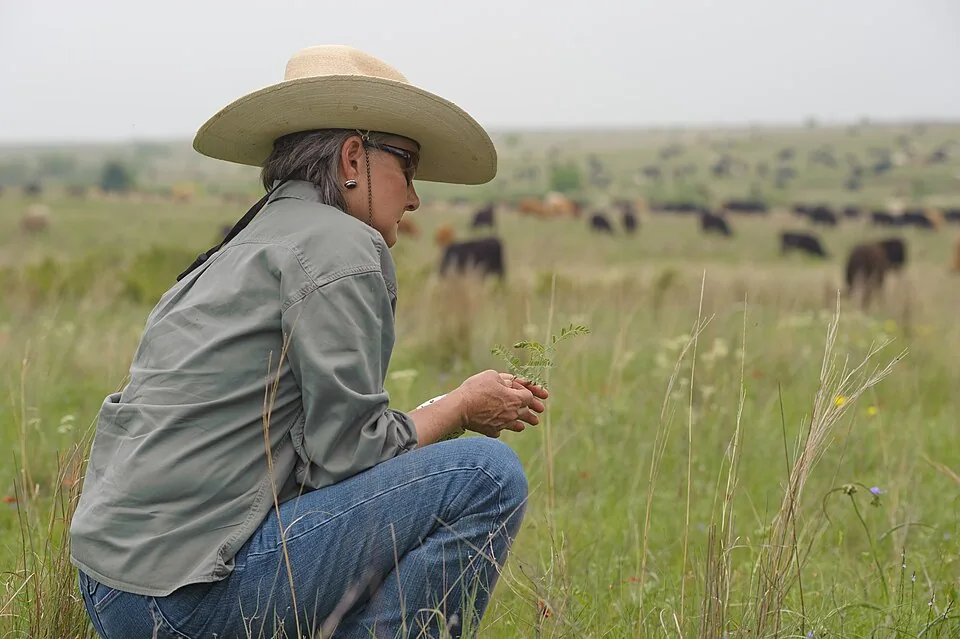
Here's where it gets truly absurd. Kansas cattle ranchers say ICE operations are having "a massive chilling effect on the legal, documented, skilled workers that put beef on the table." Matt Teagarden, CEO of the Kansas Livestock Association, put it bluntly: "So many industry segments are reliant on immigrants, so it's an issue across the economy."
The US cattle herd has shrunk to its lowest numbers in 75 years. Ranchers can't expand because they can't staff up. Roughly two-thirds of farm workers are non-citizen immigrants, and a study by the thinktank Fwd.us warns food prices could climb steeply as the administration targets them.
So the same movement that campaigned on grocery prices is now cooking up higher grocery prices. Is anyone checking the recipe?
Your Restaurant Is Losing Its Staff
Chef Carlos Raba runs Clavel in Baltimore, where many staffers are Salvadorians who have lived and worked here for years under temporary protected status. Trump has already revoked TPS for thousands of Haitians and Syrians. If the administration pulls it for Salvadorians, as is imminently expected, Raba could lose most of his staff.
In Florida, restaurant and hotel owners say ICE's presence is scaring away both workers and customers. Think about that for a second. The crackdown is hurting the businesses, and Republicans spent a decade promising to protect businesses.
Construction, agriculture, hospitality and food service are all feeling it. Matthew Grossman, a political scientist at Michigan State, explained why this matters even when voters don't rank immigration as a top issue: it feeds a general perception that the president's policies have gone too far and are hitting people who aren't immigrants.
Even Texas Might Flip Over This
Texas hasn't elected a Democratic senator in almost 40 years. A recent New York Times/Siena poll found voters evenly split on which Senate candidate they trust more on immigration, with Democrat James Talarico running against Trump-backed attorney general Ken Paxton. Talarico's message is simple: Trump's ICE has gone too far.
The state has seen a slew of violent arrests, including a fatal shooting in July and a non-fatal one in September. Latino voters, who swung toward Trump in 2024, still rank the economy as a top issue. But an NBC News/Telemundo poll found two-thirds believe enforcement has gone "too far."
More than one in four know someone who has been deported or detained since the second term began. And 17% say they or someone close to them considered not voting in person because they were afraid of ICE. Let that sink in. Fear of federal agents is now a factor in whether Americans show up to vote.
The Softer Approach That Wasn't
After the killing of two US citizens during immigration raids in Minneapolis triggered massive backlash, the administration signaled a softer touch. New homeland security secretary Markwayne Mullin said his goal would be to keep ICE out of the headlines.
Note what that goal actually is. Not stop the shootings. Keep them out of the news. Those are different projects.
And it isn't working anyway. Immigration agents are still shooting people, and arrests are at a record high. Scott Fischer, the Republican chair in Ford County, Kansas, told Politico: "We don't want our community disrupted." That is a Republican county chair describing the party's flagship policy.
The Dingo Take
The people carrying this story are not in Washington. They're the cook in Baltimore who might lose eighty percent of his kitchen, the rancher who can't staff a herd, the 25-year-old asylum seeker in Maine who is dead, and the one in four Latino voters who know someone ICE grabbed. They didn't get a vote on this. They got the consequences, and a press strategy about keeping it out of the headlines.
Now, to be fair, Trump did exactly what he said he'd do. Credit where it's due: nobody can say they weren't warned. The surprise is that the warning applied to everyone, including the ranchers and restaurant owners and Republican candidates who assumed the cruelty would stay politely pointed at someone else. It never works that way. The machine you build to punish other people eventually shows up at your loading dock.
So watch November. Salazar, Marshall, and Collins are not suddenly humanitarians. They can read a poll. When Republicans start running away from the one promise Trump kept, that tells you everything about how popular the promise really was.



Comments