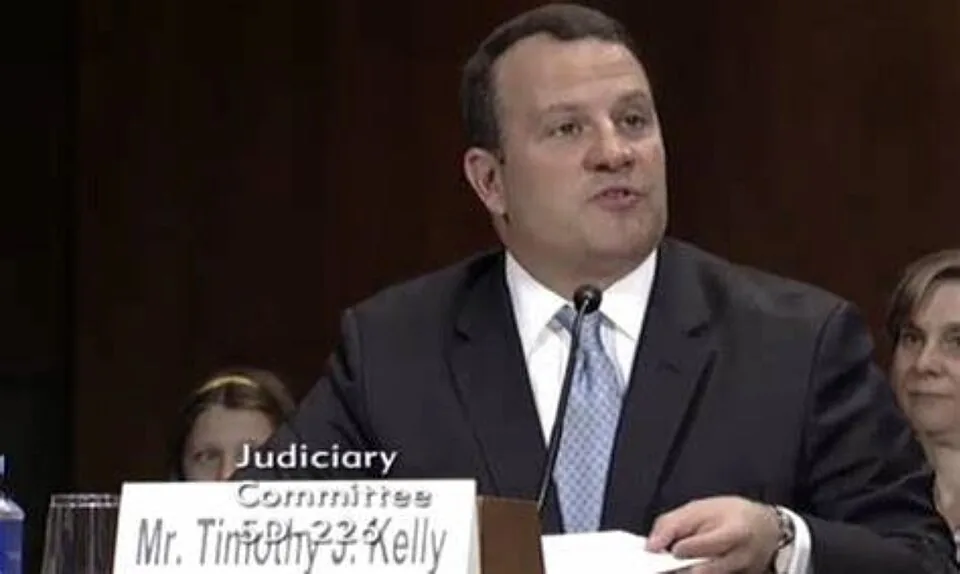
Donald Trump banned three news outlets from the White House for "FAKE NEWS," then spent weeks telling a federal judge it was really about national security. The judge read the original post. On Tuesday, he blocked the ban, and his 26-page opinion reads like a man handing a toddler a receipt for the cookie he's holding.
The Post That Sank the Case
On Sept. 18, Trump announced on Truth Social that CNN, MS NOW and Politico were out. The reason, in his own words, was "their constant 'reporting' FAKE NEWS!" He added that "Media Outlets shouldn't be able to constantly write or report FICTION and LIES when they're covering the President of the United States," and promised that "Other Fake News Media Outlets" would follow.
That is not a national security rationale. That is a man mad about coverage. The ban hit 78 journalists holding hard passes, meaning people who had already been screened and credentialed to work in the building. They were cut off first and informed by letter afterward.
So when the three outlets sued on Sept. 21, claiming violations of the First and Fifth Amendments, they barely needed to write a complaint. The defendant had already drafted the confession and posted it publicly.
Then Came the National Security Rewrite
Once the lawsuit landed, the story changed. Trump posted that the outlets' reporting was "a threat to our National Security, and must be stopped, NOW!" The administration took that line into court and argued the ban was imposed in part over security concerns.
Judge Timothy Kelly of the District Court in Washington was not buying it. He noted that the national security justification showed up after the press passes had already been revoked. Reasons that arrive after the punishment are called excuses.
His opinion put it plainly: "There is practically nothing national security-related in the record connected to the President's decision to revoke Plaintiffs' hard passes to which the Court can defer." Practically nothing. The administration invoked the most powerful phrase in government and couldn't find a single document to attach to it.
Trump Gave the Plaintiffs a Gift
It gets better. During arguments on Oct. 8, media lawyer Theodore Boutrous told the judge that Trump had offered what he called a "confession" in a Time magazine interview the week before. In it, Trump said, in effect, that he banned these outlets because of what they reported. Boutrous summed it up: "The case has gotten stronger for the plaintiffs thanks to President Trump."
Kelly agreed. He wrote that Trump's own comments suggest he "intended the revocation of Plaintiffs' hard passes to alter their reporting on him," which bolsters the argument that the action would deter "a reporter of ordinary firmness from reporting in the same way she had before."
There's a basic rule of litigation. Never let your client keep talking to the press while you're defending him against a lawsuit about the press. Nobody told the president, or he heard it and kept going.
The Notice Problem
Even setting aside the motive, the administration had a procedural disaster on its hands. Kelly told the government's lawyer his side had "a notice problem," and called it "probably the biggest hurdle" they faced. The White House gave no advance warning that anyone's credentials were at risk. Letters went out after building access had already been shut off, which violates binding court precedent.
The legal principle here isn't exotic. Nobody is guaranteed a White House press pass. But once the government hands out access, it can't yank it away because it dislikes your viewpoint, and it certainly can't do it without telling you first.
Kelly found the plaintiffs likely to succeed on their due process claim and on two separate First Amendment claims. Three legal theories, three likely wins. The government managed to lose on process and substance at the same time, which takes real commitment.
What the Ruling Does and Doesn't Do
The preliminary injunction bars the administration from enforcing the Sept. 18 revocation while the lawsuit plays out, a process that could take months. The judge also set the bond the plaintiffs had to post at $1. One dollar. Even the court's paperwork was mocking the ban.
There are limits. The order covers the White House complex, and the administration has read that narrowly. CNN and Politico reporters have been kept off pool duty, which means no Air Force One and no Oval Office, because the White House insists the earlier restraining order only reached the grounds. Kelly's new order doesn't require access to those spaces either.
Kelly also noted that his ruling doesn't concede Trump's complaints about accuracy and fairness are baseless, and that the government isn't "powerless" when its true aim is protecting national security from unlawful leaks of classified information. Fine. That's a real power. It just wasn't the power Trump used, and the record shows it.
The Appeal Was Announced Before the Ruling
Trump vowed on Truth Social to appeal before Kelly had even issued the decision. That's confidence, or it's a reflex. The White House didn't immediately respond to a request for comment after the ruling came down.
He also promised that more outlets would follow. That threat is now sitting inside a court record next to a judge's finding that the first round was likely unconstitutional. Any future ban will arrive with its own Exhibit A already attached.
The Dingo Take
Who benefits from this ban? Trump, and only Trump. It was never about security. A president who can decide which reporters sit in the room gets to hand the good seats to outlets that flatter him and exile the ones that don't. That's the whole business model. Control the access, control the coverage, and bill it as patriotism.
The awkward part is that he said so out loud. He announced the ban over "FAKE NEWS," repeated the motive to Time, and only discovered national security after his lawyers needed a second story. A judge appointed in his own first term looked at that sequence and said, in effect, no. Kelly was nominated by Trump, which tells you how little ideology this ruling required. It took reading comprehension.
The courts held this time, and CNN, MS NOW and Politico keep their passes for now. But "Other Fake News Media Outlets to follow" was a promise, not a joke, and the appeal is coming. The press doesn't win this fight once. It has to win it every time a president gets angry at a headline, and this president gets angry at a lot of headlines.

Comments