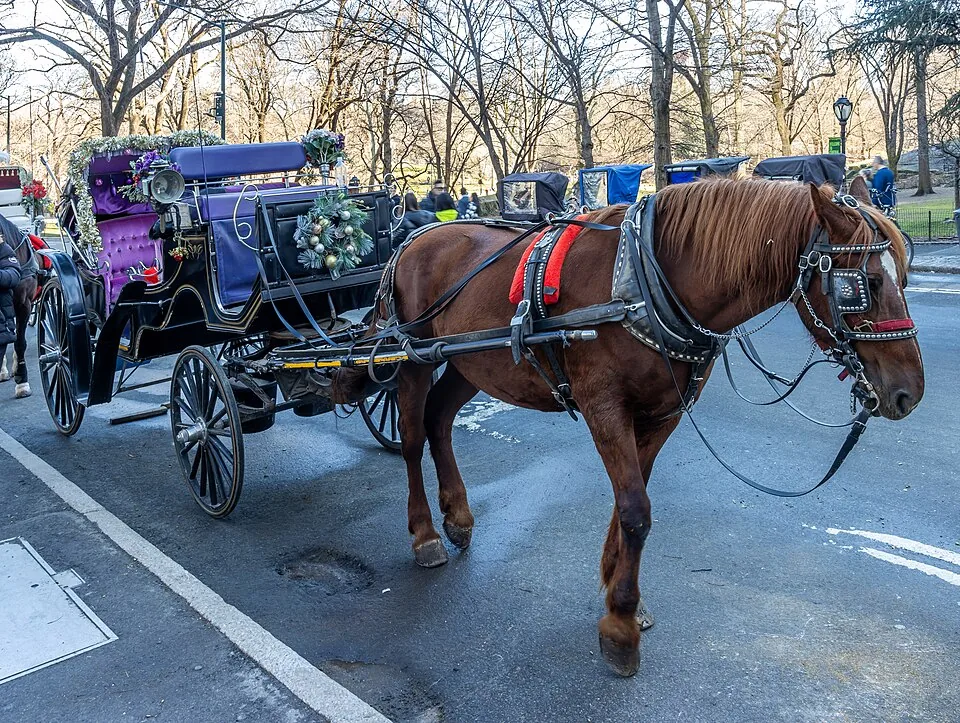
New York City is about to end a tradition that involved forcing 1,000-pound animals to haul strangers around Midtown traffic until some of them collapsed. Mayor Zohran Mamdani and City Council Speaker Julie Menin have struck a deal to ban horse-drawn carriages starting in June 2028, according to Politico, and the council votes on October 22. The union that represents the drivers is calling the whole thing disgraceful.
The Deal Everyone Said Was Impossible
Mamdani agreed to back a bill backed by Menin that would make it illegal to operate horse-drawn carriages in the city beginning in June 2028. The council is expected to vote next week. The Guardian confirmed that a person familiar with the mayor's office verified the deal.
"The horse carriage industry is coming to an end in New York City," Mamdani wrote on X on Tuesday. He added that his administration would make sure workers and owners are protected and the horses are safe.
That's a notable line from a guy who spent months saying he liked the idea of a ban but didn't love the bill. His objection was that the legislation left drivers with too little protection. Apparently that got fixed. Or fixed enough. We'll get to that.
The Horses Keep Dying, and a Tourist Did Too
Animal rights activists have been raising alarms about this industry for years, and the record gives them plenty to point at. Multiple horses have died since 2020. Some collapsed mid-ride, with paying customers sitting behind them. Picture the brochure: romantic clip-clop through Central Park, optional livestock tragedy.
The push for a ban got a lot louder this summer after an 18-year-old tourist, Romanch Mahajan, died after being thrown from a carriage. A kid on vacation in New York got on a ride sold as charming and wholesome and did not get off it alive.
Menin called the carriages "a growing public safety liability." That's the careful language of a politician who sees a lawsuit and a funeral on the same horizon. She's not wrong. Putting a panicky prey animal in front of a taxi, a bus, and a guy honking a Honda is not a great safety model.
What the Bill Actually Promises Drivers
Here's where it gets complicated, and where the union has a real argument. The bill requires the city to create a workforce transition program offering carriage drivers career counseling and referrals to jobs in the private and public sector. Career counseling. For people who have spent years working with horses in Central Park.
On compensation for carriage owners, the bill requires the city only to "consider" establishing a program to pay them for the value of their businesses. Consider. That word is doing a lot of heavy lifting for a document that is supposed to protect people's livelihoods. Governments "consider" things the way you "consider" going to the gym.
To be fair, the bill does include a real protection for the animals. The city has to set up a program to help drivers get rid of their horses humanely, and the horses cannot be sold or transported for slaughter or sold to carriage industries elsewhere. That last part matters, because without it a ban just exports the problem to another city.
The Union Is Not Having It
The Transport Workers Union, which advocates for carriage drivers, is the reason this legislation stalled for so long. Officials struggled to move a bill despite broad public support because the union raised concerns about drivers' livelihoods.
John Samuelsen, the union's international president, told Politico the bill gives "no meaningful economic relief for workers." Then he went further. "This is disgraceful political opportunism, and Zohran should not simply go along with it, particularly when immigrant families' livelihoods are being destroyed," Samuelsen said. "This entire situation is reprehensible."
That one stings, because it's aimed at a mayor who built his brand on protecting working people. Samuelsen isn't defending the horses. He's pointing out that the people holding the reins are workers, many of them immigrants, and that the city's offer amounts to a pamphlet and a maybe.
Mamdani's Tightrope Over a Manure Pile
It's unclear whether Mamdani plans to sign the bill as written or push for further changes. Sneha Choudhary, a city hall spokesperson, said the administration has been working with the council, union partners, carriage drivers, animal welfare advocates, and community leaders to deliver "a just transition that protects workers while ending horse-drawn carriages in Central Park once and for all."
That is a lot of constituencies for one deal. And the timeline helps him. The ban doesn't kick in until June 2028, which gives the city a window to build something real for the drivers if it actually wants to. Whether it will is the open question, and the vote is October 22.
The politics are lopsided in one direction. A ban has broad support. The people against it are a small group of workers and their union. That's exactly the setup where politicians feel free to do the popular thing and call the leftovers a transition program.
The Dingo Take
Horses have been dying in New York City streets for six years, a tourist is dead, and the city's solution arrives in 2028 with a counseling program attached. Fine. Take the win. Nobody should be dragging animals through Midtown traffic for a photo op, and the bill's ban on shipping the horses off to slaughter or to another carriage town is the right call.
But Samuelsen has a point, and it's one the mayor's own brand should make him uncomfortable ignoring. A bill that makes the city "consider" compensating owners and offers drivers career counseling is a press release with a signature line. If Mamdani really means "just transition," put real money in the bill before the vote, not a promise to think about money later.
Banning the carriages is the easy part. Everybody likes horses. The test is whether the people who spent years working this trade get something better than a referral and a handshake. The horses get a happy ending in this deal. The drivers should too.


Comments