Seventy-two retired generals, admirals, and senior military officers just signed an open letter begging the government not to broadcast a firing squad execution to the public. When the people who spent their careers running America's wars tell you the plan is too barbaric, you might want to check what kind of show you're producing.
A Letter From People Who Know What War Looks Like
According to the BBC, the group includes 45 generals, 12 admirals, and several former judge advocates general. They released their letter on Wednesday, and the language is not subtle. They called the plan a "barbaric abuse of authority" and warned it would turn a "solemn and grave punishment" into "a carnival for the enjoyment of voyeurs and spectators."
These are not squeamish peaceniks. Some served in Iraq and Afghanistan. A handful retired during Trump's first term. The signatories include retired Maj Gen Tony Taguba, who led the Army's investigation into the Abu Ghraib prisoner abuses, and retired Air Force Col Moe Davis, a Guantanamo prosecutor who called waterboarding torture.
Sit with that for a second. The people objecting include the man who investigated Abu Ghraib and a Guantanamo prosecutor who had to walk away from the machinery. When those two say a government is being too cruel, the government should probably listen.
They Are Not Even Against the Execution
Here's the part the livestream defenders will conveniently skip. The letter does not oppose the death penalty being carried out. The signers are not asking for Nidal Hasan to be spared. They are asking the government not to turn his death into content.
Hasan is the Army psychiatrist who shot dead 13 unarmed US soldiers at Fort Hood in the deadliest non-combat attack on an American base. He told a court he did it believing he was protecting Muslims and the Taliban from the US military. He was shot during the attack and now uses a wheelchair. Nobody in this story is auditioning to be his defense attorney.
The objection is about what we become when we put it on a screen. The letter argues that "exploitative broadcasting that debases human dignity will taint the honor of the military that employs it, and a nation that allows it."
The Martyr Problem Is Not Subtle
The generals make a practical argument too, and it's the one the Pentagon should have thought about before the press release. The footage, they warn, "will be used by our nation's enemies to stoke hatred, harm American soldiers and citizens in the future, and will ensure that Hasan becomes a martyr."
Think about the recruiting video someone gets to cut. A man who killed 13 soldiers, now in a wheelchair, executed on camera by the government he attacked. You could not hand extremists a better gift if you wrapped it and tied a bow.
The military spends enormous energy on denying adversaries propaganda wins. This plan hands them one, free of charge, with a livestream link.
Trump Said 'Absolutely,' Then Everybody Started Backpedaling
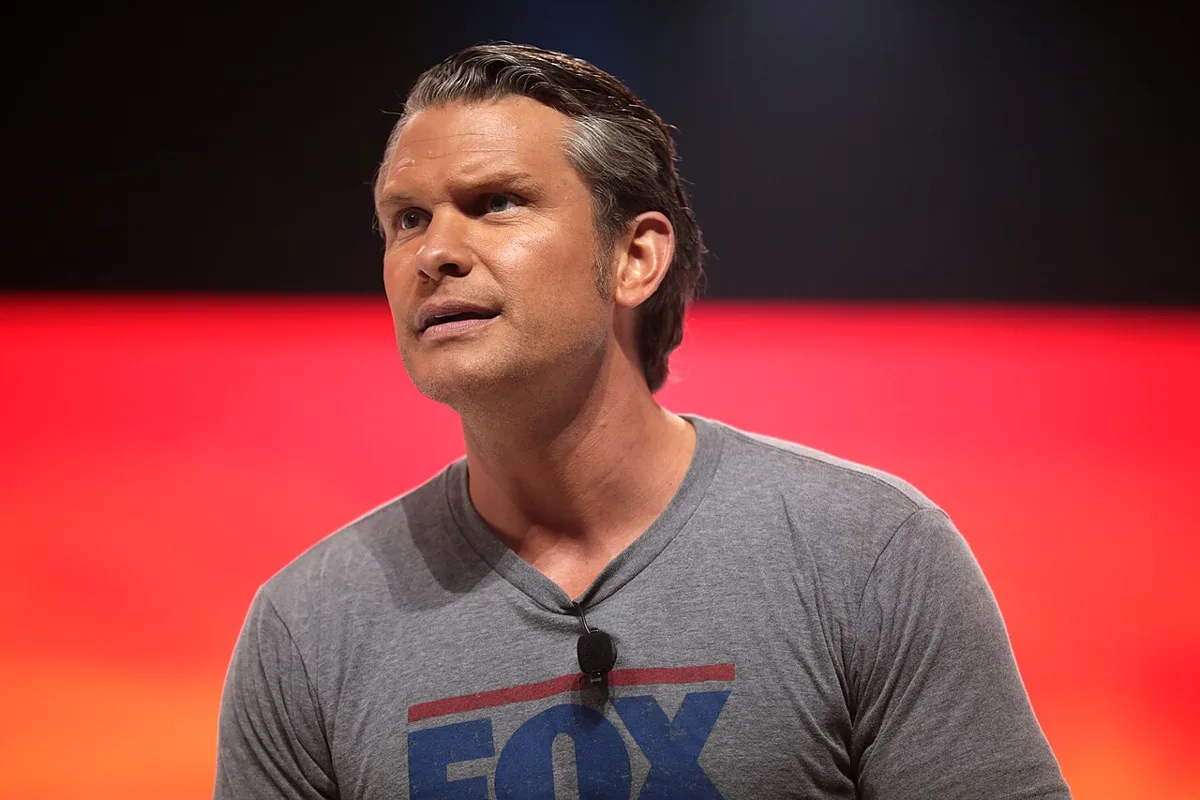
Defense Secretary Pete Hegseth announced the plan last week. The Pentagon said it would publicly show the 3 December execution. President Trump said he "absolutely" approved of the livestream. If it goes ahead, it would be the first public execution in the US in almost a century.
Then the reaction arrived. Lawmakers from both parties criticized it. Religious leaders criticized it. Academics and experts piled on. Now CBS News reports that some administration officials are leaning against the livestream, and that Trump had not made a final decision as of Tuesday.
So the man who said "absolutely" last week is now reportedly still thinking about it. That tends to happen when an idea meets daylight. It is a very specific kind of leadership: announce first, discover the objections later, and let the retired generals do the vetting.
Cruel and Unusual, Now With Better Production Values
The generals argue the broadcast would violate the Constitution's protection against cruel and unusual punishment. You don't need a law degree to see why that argument has legs. The Eighth Amendment exists because the founders had watched governments treat suffering as spectacle. Livestreaming a firing squad is spectacle with a Wi-Fi connection.
There is also a basic question the administration has not answered. What is the purpose of showing this? If the point is justice, the execution accomplishes it whether or not anyone watches. If the point is deterrence, nobody is deterred by footage of a man already in prison. That leaves one remaining purpose, and the generals have already named it. It's a show.
The Dingo Take
What kind of country needs its executions to trend? That's the question hiding underneath the process arguments and the constitutional footnotes. Hasan committed an unforgivable crime, and the system will punish him. The only open issue is whether the punishment gets a camera crew.
When you can't get retired generals, bipartisan lawmakers, and religious leaders to agree on lunch, and they all agree this is a bad idea, the idea is bad. The administration's own officials are reportedly flinching. The only person still apparently enjoying the concept is the one who said "absolutely" before asking anyone what it meant.
The 72 signers did the country a favor. They defended the dignity of the military without defending the man who betrayed it. Somebody should tell the Pentagon that honor is not a streaming metric, and that a solemn duty performed quietly is stronger than any spectacle you can broadcast. They get to decide by 3 December. The generals have already told them the answer.




Comments