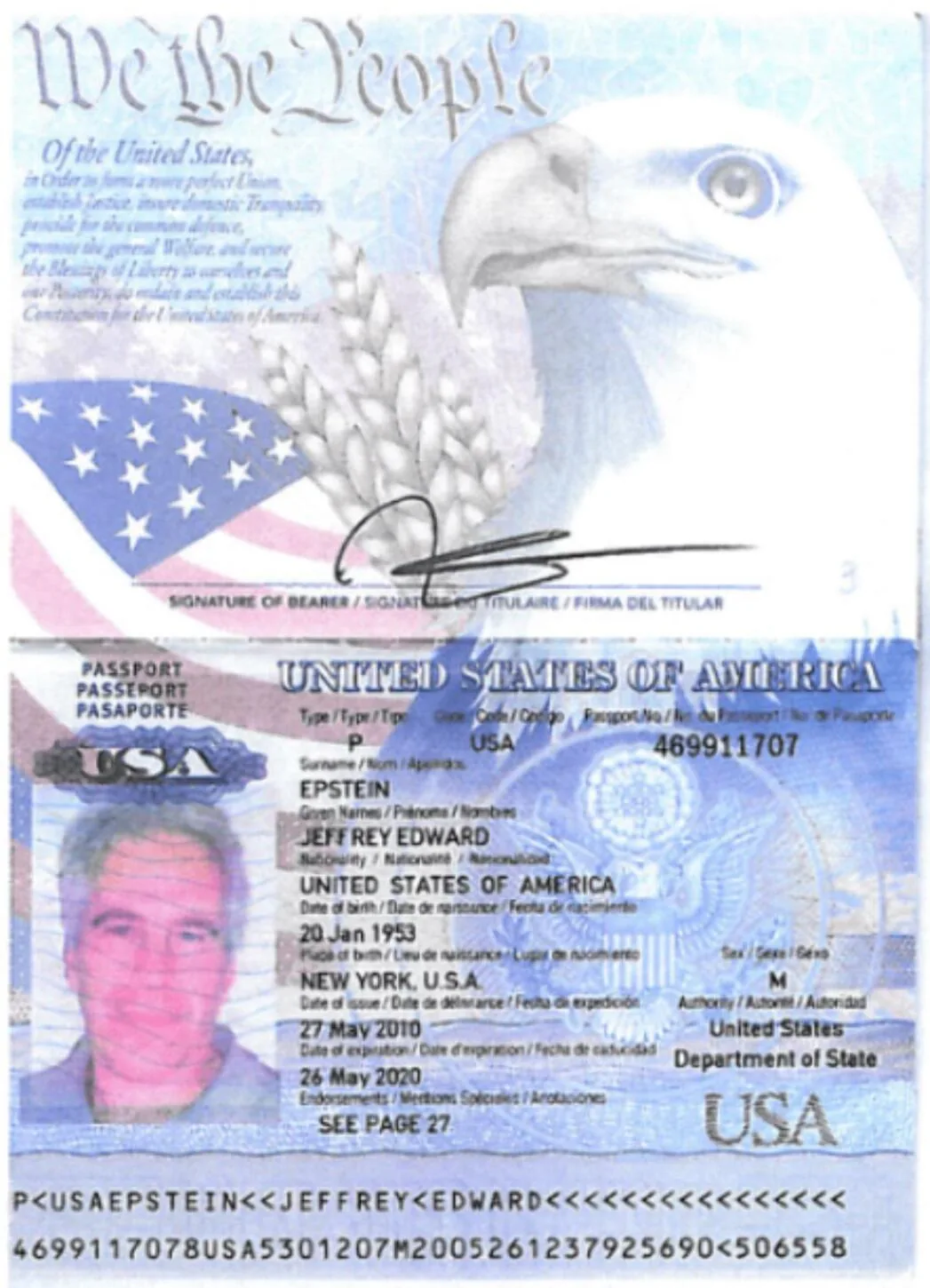
It is October 2026, and a bipartisan group of lawmakers has to introduce an actual piece of legislation to get federal financial regulators to investigate the banks and executives who helped fund Jeffrey Epstein's operation. The bill exists because, as Elizabeth Warren put it, the big banks won't hold themselves accountable and the Trump administration won't either.
A Bill To Do What Regulators Should Already Be Doing
The Epstein Wall Street Records Act, unveiled Thursday and first reported by The Guardian, is led by Warren and House Rep. Robert Garcia. It follows a months-long investigation into the financier, who died in prison in 2019 while awaiting trial on child sex-trafficking charges.
If it passes, regulators including the Federal Reserve and the Securities and Exchange Commission would be required to investigate "Epstein connected" financial firms and executives for potential breaches of banking, investment, or illicit funding laws. Wrongdoers could be fined or banned from the US financial sector entirely.
Read that again. Congress is writing a law that says, in effect, "please look into the people who helped a child sex trafficker move money." That this requires a statute tells you everything about how the system has been working.
Transparency, Referrals, and One Very Notable Republican
The bill does more than order investigations. It forces regulators to publicly disclose any records relating to Epstein and his associates, and to refer potential criminal violations to the Justice Department.
It is also bipartisan. House Republican Thomas Massie is backing it, which is worth a moment of appreciation in a Congress where agreeing that the sky is blue now requires a committee hearing and a loyalty oath.
Warren's framing was blunt. "Since the big banks won't hold themselves accountable, and the Trump administration won't either, Congress must act to force real transparency and accountability for them and their executives who enabled Jeffrey Epstein's crimes." That's the whole pitch, and nobody has produced a good argument against it.
Barclays Would Like You To Know It Was Also Fooled
The bill landed the same day Warren torched Barclays for "dodging responsibility" over former CEO Jes Staley. Back in July, Warren and a group of House Democrats wrote to Barclays chair Nigel Higgins asking how the bank vetted Staley and whether it had examined "deficiencies" in its executive hiring process, given that it hired a CEO with extensive professional and personal ties to a convicted sex offender.
Barclays answered with a letter from its head of US government relations, Lance Williams. The letter's thesis is that Staley lied to them. Staley "concealed information about his actions and the nature of his relationship with Mr Epstein," and only after his resignation did "previously unknown information come to light through various public disclosures."
Williams also pointed out that Barclays relied on external executive search firms when it recruited Staley in 2015, when he was "known for his accomplishments in the banking industry." So the defense is: a headhunter told us he was great. Truly the gold standard of corporate due diligence.
What The Record Says About Staley And Epstein
Here is the thing about the "he fooled us" defense. The paper trail is not subtle. Staley met Epstein in 2000 during his three decades at JP Morgan. The UK's Financial Conduct Authority investigated after a cache of more than 1,200 emails between the two surfaced, and concluded that the pair were "indeed close" and that the relationship "went beyond one that was professional in nature."
Staley resigned from Barclays in November 2021 once the regulator started digging. He was banned from the UK financial sector in 2023 for playing down those ties, and he lost his court challenge to that ban, a fight that exposed intimate details of the friendship.
Those details included Staley admitting he had sex with a member of Epstein's staff in New York, an encounter he called consensual. The case also revived a 2010 exchange referring to Disney princesses, in which Staley wrote: "That was fun. Say hi to Snow White." Staley denied knowledge of that exchange during a UK court hearing. After losing, he said he was disappointed but "never dishonest."
Barclays Declined To Comment, Naturally
Barclays declined to comment on Warren's criticism. Staley's legal representatives were contacted. That's the state of the record as of publication.
Notice what the Barclays response actually does. It talks about what Staley hid. It does not say what the bank did to look. It leans on the findings of a UK regulator that investigated only after Staley's ties became a problem, and it treats information that "came to light" later as if the bank bore no duty to go looking in the first place.
A bank that checks a CEO's references but not his friendship with a convicted sex offender has not vetted him. It has performed the corporate equivalent of reading the first page of a résumé and calling it a day.
The Dingo Take
The survivors of Epstein's crimes are the ones who have waited longest for any of this. Years of the powerful men around him getting quiet settlements, soft landings, and the occasional wrist slap, while the machinery that kept his money moving stayed mostly out of view. A bill demanding that regulators open the books is the bare minimum, and it took a bipartisan scramble in the fall of 2026 to get it introduced.
Warren is right that the banks won't police themselves. Barclays just demonstrated it in writing, blaming a headhunter and a liar and leaving the actual question, who checked, sitting on the table untouched. And she's right that the Trump administration has shown zero appetite for pulling this thread, which is a strange posture for people who spent years promising to expose the whole network.
Will the bill pass? Who knows. The fact that Thomas Massie is on it gives it a fighting chance, and the fact that it needs to exist gives it an urgency nobody should have to manufacture. Make the regulators look. Publish what they find. Ban the people who earned it. This is not a complicated ask.


Comments