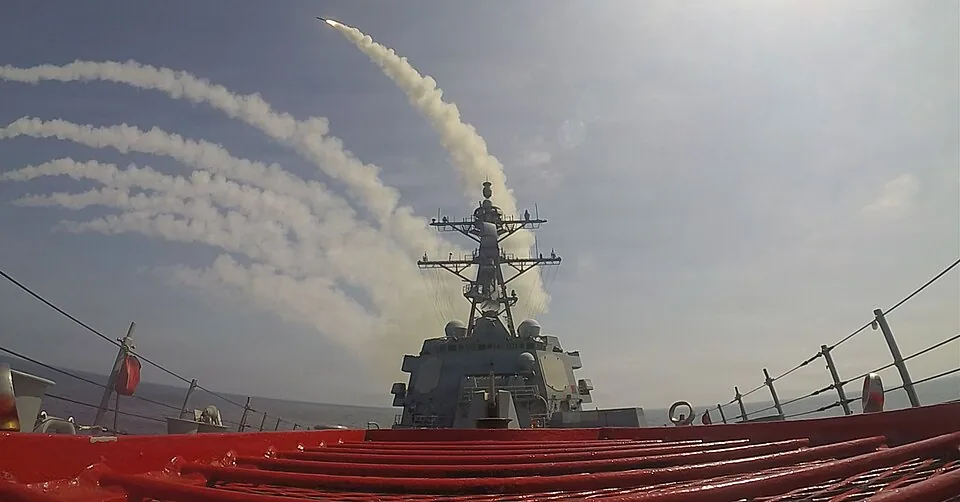
Here is a sentence you are allowed to read before breakfast: the United States and Israel are planning for a possible attack on Iran, and the timing under discussion is after the midterm elections. That's the headline buried in a Thursday morning news brief that also managed to squeeze in two presidents on the campaign trail and Elon Musk daydreaming about merging his companies.
Three Stories, One Very Strange Morning
NPR's Morning Edition brief for October 22, 2026, ran about ten minutes, and the summary reads like a dare. President Trump and former President Obama are both out campaigning ahead of the midterms. The U.S. and Israel are planning for a possible post-midterms attack on Iran. And Musk says SpaceX and Tesla could merge.
That is the whole menu. A normal Thursday in the republic, apparently, where the war planning and the corporate fantasy football share a rundown with the stump speeches.
We should be honest about how much we know here. The brief is a summary, not a deep dive, and the details of the Iran planning are not spelled out in what's in front of us. We're not going to pretend otherwise or invent a war plan to make this more exciting. The sequencing alone is plenty.
The Calendar Is Doing a Lot of Work
Look at the word "post-midterms." It is carrying an enormous amount of weight in that sentence. Whether the timing is political, logistical, or pure coincidence, the reporting frames a possible strike on Iran as something to be planned around the election calendar.
That should bother you no matter where you sit. If military planning is being sequenced around when Americans vote, then voters are being asked to make a choice without the full picture of what comes next. If it's pure coincidence, fine, but then someone should say so out loud and explain it.
Wars are supposed to be decisions about threats and strategy. They are not supposed to be a scheduling problem for the campaign consultants. Those two things are not supposed to touch.
Two Presidents, One Ballot That Neither Is On
Meanwhile, Trump and Obama are both out working crowds for their parties. One is the sitting president trying to protect his congressional majority. The other is a former president doing what former presidents do when their party needs a famous face and a good speech.
This is the ordinary machinery of a midterm cycle. Neither man is on the ballot, and both are acting as if everything on it depends on them. It's a familiar kind of vanity, and at least it's the legal and boring kind.
What makes it less boring is the company it keeps in the rundown. Voters are being courted with promises while, according to the reporting, planners are working on a possible attack that would land after those votes are counted.
Musk Would Like to Combine His Toys
And then there's Musk, who says SpaceX and Tesla could merge. That's the third item, delivered with the casual energy of a man suggesting two cousins should start a podcast together.
We don't have details on how serious this is, what the structure would be, or what regulators would say, and the brief doesn't offer them. So we won't guess. What we can say is that a single man floating the idea of fusing a rocket company and a car company is the kind of thing that only happens when one person controls both and nobody in the room says no.
It's a strange thing to bump into on the same page as a possible war, but that's the news cycle for you. Everything gets the same font size.
The Dingo Take
In 1964, Lyndon Johnson ran as the peace candidate while the machinery for escalation in Vietnam was already warming up behind the curtain. The Gulf of Tonkin resolution passed that August. The big ground commitment came after the votes were safely counted. Americans have seen this movie, and the twist is always that the people who made the plan knew the ending before the audience bought tickets.
We are not saying that is what is happening here. The reporting says the U.S. and Israel are planning for a possible attack on Iran after the midterms, and "possible" is doing honest work in that sentence. But the shape of the thing is the same. A major military decision is being discussed in a window that conveniently sits just beyond the moment voters get a say. If that timing is an accident, it's a remarkably tidy one.
So here is the ask. Before the polls close, someone with real authority should tell the public what the Iran planning actually is, and whether the election calendar has anything to do with it. Not a leak, not a whisper, not a morning brief. An answer. Because if the plan really is to wait until you've voted, then the least they owe you is the courtesy of saying so before you do.

Comments