A private citizen with a rocket company reportedly flipped a switch on Oct. 14 that kept Ukrainian drones from connecting if they flew faster than 100 mph, which is roughly what drones do for a living. Then everyone involved spent a week insisting the switch doesn't exist, or that someone else flipped it, or that it flipped itself.
The Switch Nobody Flipped
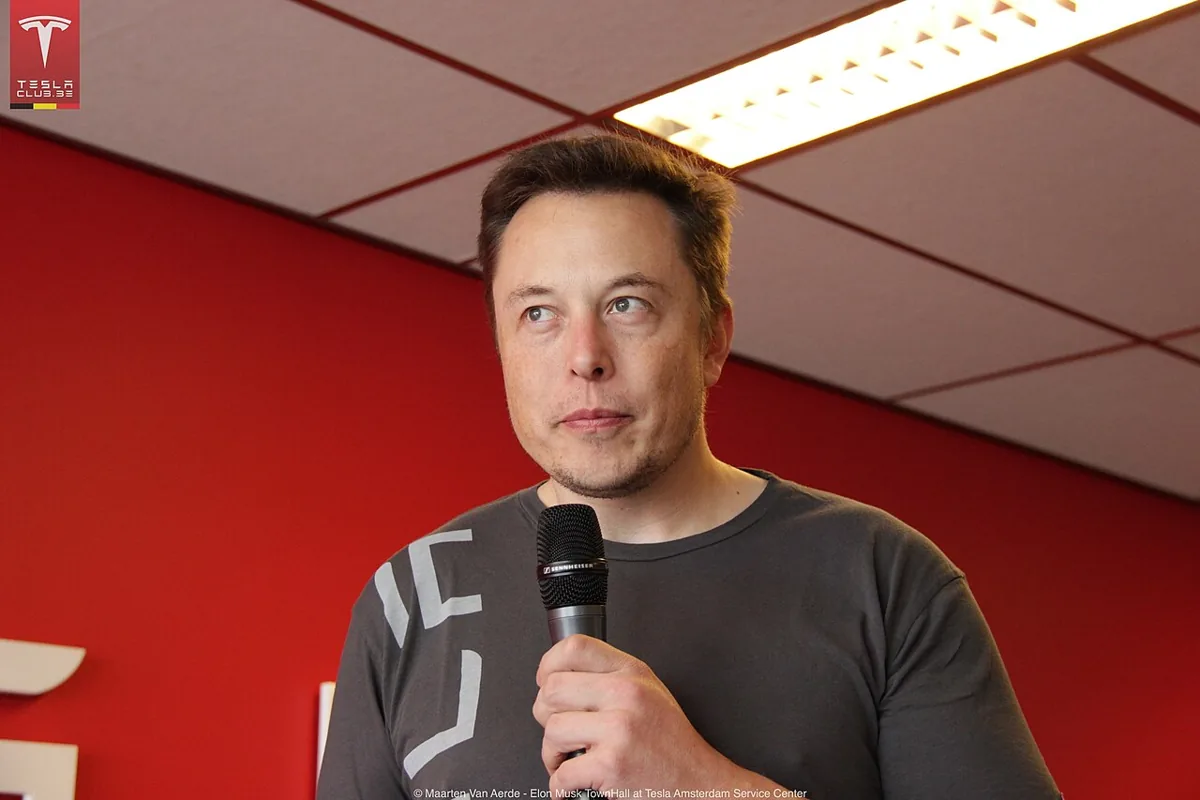
According to a Wall Street Journal report relayed by the New York Post, US officials say SpaceX CEO Elon Musk personally decided to cap the speed of Starshield, the military-grade version of Starlink that Ukraine uses to run its offensive and interceptor drones. The date was Oct. 14. Under the cap, anything moving faster than 100 mph couldn't connect.
Think about what that means in practice. Interceptor drones exist to chase down incoming Russian drones. A chase that can't exceed the speed of a decent highway commute is not a chase. It's a polite wave.
The disruption lingered through most of last week. Zelensky blamed the US and SpaceX directly.
A Fragile Ceasefire and Perfect Timing
Here's the part that should make your stomach drop. The loss of service landed while Russia was launching drone attacks on Ukrainian power plants, in violation of an energy ceasefire Trump brokered on Oct. 11. Three days after the ceasefire, Ukraine's drone network got kneecapped. Russia kept hitting power plants.
Maybe that's coincidence. Maybe it's a technical glitch, as Marco Rubio now says. But a man with a financial and political stake in the outcome of this war reportedly decided how fast Ukraine's air defense could move, and the timing happens to look fantastic for Moscow.
No, seriously, pay attention to the structure of this. A single unelected billionaire sits between a country and the tools it uses to stop missiles and drones from hitting its power grid. That was always the risk of outsourcing wartime infrastructure to a guy who posts through his own crises.
Four Stories, Zero Owners
The denials arrived fast and none of them match. Musk posted on X the same day that Starshield is owned and controlled by the US government, and that any limits on speed or usage are decided by the US military and ultimately the president. He also noted that commercial Starlink can't be used for offensive military action because that would be "inappropriate for a commercial company." Inappropriate. From the man whose company's satellites have been running a war for years.
The Journal's sources split on the details. One group of US officials said Musk acted without consulting the White House. Another source said he talked to senior administration figures and Trump first. Reuters and The Telegraph couldn't agree on who was to blame either.
Trump, asked about it, said: "I didn't do that. No, we didn't do that at all. In fact, I don't even think it was slowed down from what I understood. Because I just checked this morning." Then, in the same breath: "I don't know if it was anybody, because it wasn't me and I don't think it was Elon." So it wasn't slowed down, but also it wasn't him, but also he doesn't know who. Pick a lane.
Pentagon Freelancing, Allegedly
An administration official told the Post that "this was Pentagon freelancing and it's not the first time it has happened with Ukraine." Read that again. The official's defense of the White House is that the military is off doing its own thing, and that this happens regularly.
That is not the reassurance they think it is. Either the commander in chief controls how the US military treats a wartime ally's communications, or he doesn't. Neither answer is good.
Meanwhile, Rubio went on offense, calling it "scandalous" and "outrageous" that anyone would claim Ukrainians are dying because the US is withholding information. He said the interruptions on the 13th and the 18th were "a technical matter," not a US directive. Zelensky's version: "The message came from government. I don't know from whom, what cabinet, and et cetera." Two governments, two incompatible accounts, and one very busy drone fleet in the middle.
The Diesel Deal and the New President Suggestion
Just to make the week complete, Trump also struck a side deal with Russia on Oct. 9 to buy up its diesel exports. Ukraine objected that the money would fuel Putin's war machine. Trump said it would lower global fuel prices.
Zelensky called the move "weak." Trump's response, immediately, was that "it's time for Ukraine to get a new president." The leader of a country being bombed was told to resign for criticizing a fuel purchase from the country bombing him.
And lest we forget the cherry on top: last month Pete Hegseth appointed Musk to Project Meridian, a panel studying the future of war technology, alongside Palmer Luckey and Newt Gingrich. So the man who may have throttled Ukraine's drones now advises the Pentagon on drone warfare. Neither the White House nor SpaceX has answered the Post's requests for comment.
The Dingo Take
In 1956, Britain and France conspired with Israel to seize the Suez Canal, then spent weeks insisting nobody had planned anything. The lying was almost more humiliating than the plan, because everyone could see the seams. This is that, with a satellite constellation.
Whoever flipped this switch, the structure of the thing is the scandal. A country fighting for survival depends on a network controlled by one volatile billionaire, a Pentagon that may or may not be taking orders, and a president who answers questions about his own administration's conduct with "I just checked this morning." That is not a chain of command. That's a group chat with nuclear weapons.
The cap reportedly hit days after a ceasefire, while Russia pounded power plants, and the same week Trump told Ukraine to find a new president. You can believe every one of these is an unrelated coincidence. Plenty of people will. But if you're the Ukrainian drone operator watching your connection die at 100 mph, you don't need a theory. You need a government that can answer one question in plain English: who did this? Four days later, nobody will even claim the credit, and that tells you everything.



Comments