Days before Election Day, with ballots already being counted, the Department of Justice asked a federal court to order California to pull the ballots of 20,000 people it says are "likely" noncitizens. A federal judge looked at the request, looked at the list, and wrote that "never before in American history" has the federal government tried to bend a state's election machinery to the will of the executive branch on the eve of a vote.
A 26-Page Door Slam
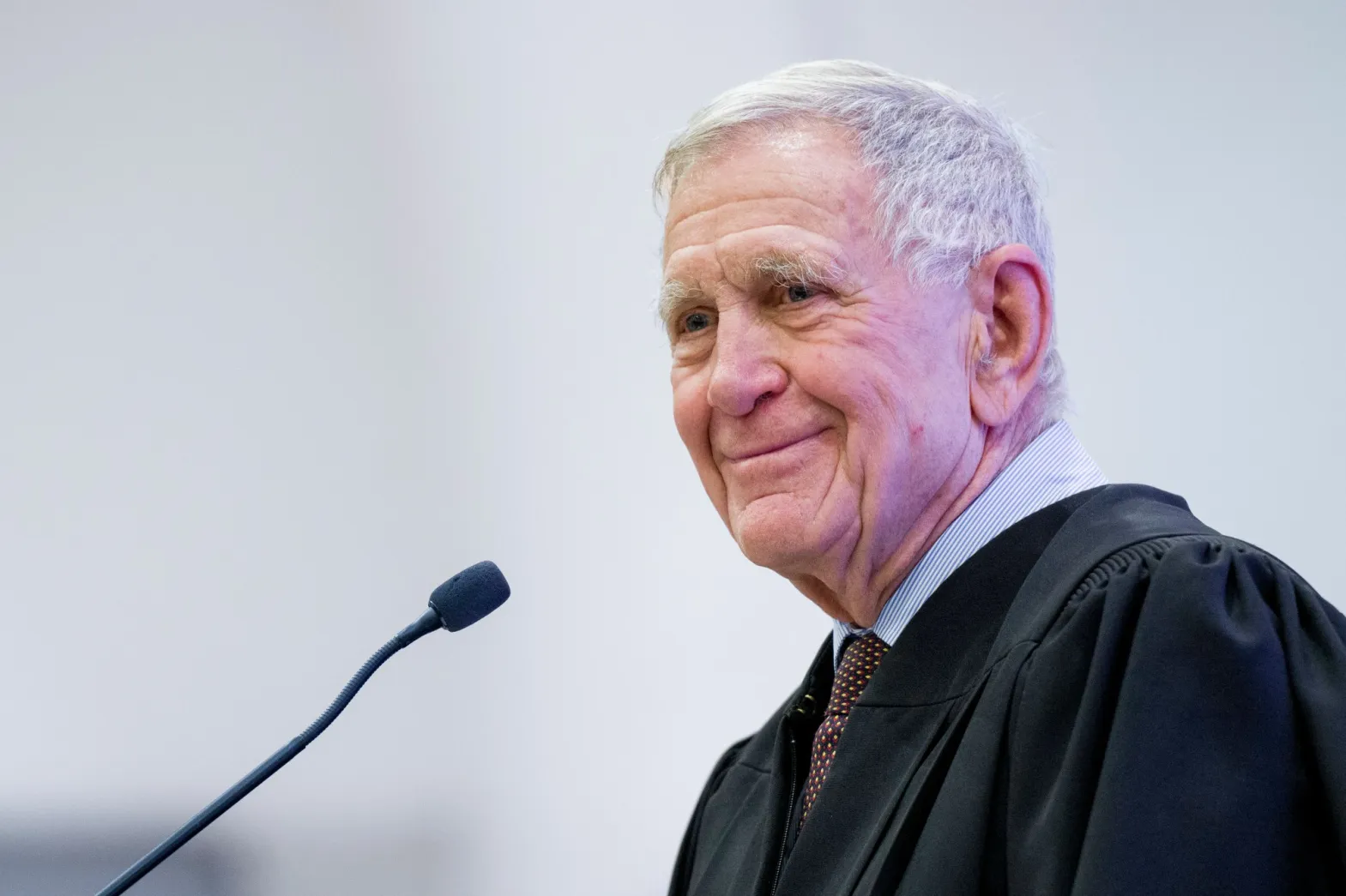
U.S. District Judge David Carter, a Clinton appointee, denied the DOJ's request for a temporary restraining order Wednesday evening in a 26-page ruling, according to NPR News. The request was unprecedented. The department wanted California election officials to stop processing ballots tied to 20,000 individuals on a federal list.
Carter did not mince words. "If the Executive can discount votes and threaten an ongoing election due to unproven allegations, then our democracy is in danger. This Court declines to be a party to such process."
He also wrote that "once a vote is segregated, lasting harm has occurred." That is the whole ballgame in one sentence. You cannot un-ring this bell, and the DOJ knew it.
The List Nobody Can Vouch For
Here's the part that should make your eye twitch. The 20,000 names are people federal officials call "likely" noncitizens. Likely. Not confirmed. Not adjudicated. Likely, according to a matching protocol that an expert witness in the case says is "likely to be unreliable."
A preliminary Los Angeles County analysis of a small sample found that many people on the list do not even have active voter registrations. A significant portion of the sample had said in records that they were born in the United States. Some on the list appear to be U.S.-born, which is a fascinating quality in a noncitizen.
The federal government pushed back. Nicolas Bartell, a senior official at U.S. Citizenship and Immigration Services, wrote in court filings that his office's review found none of those people were U.S.-born. Then he acknowledged that four of them "might have a claim to U.S. citizenship." So the list is solid, except for the people who might be citizens. Reassuring stuff.
Why the Clock Was the Whole Point
The DOJ argued the matter was urgent because ballots were already being processed. That part is true, and it is also the problem. Once signatures on mail ballot envelopes are verified, the ballots are separated from their envelopes to protect voter confidentiality. After that, nobody can retrieve a single one.
So the federal government waited until October 15 to file this lawsuit, then declared an emergency created by the calendar. State and local officials made the obvious point that setting ballots aside days before Election Day would be unlawful and infeasible, and would disenfranchise eligible voters.
Attorney General Rob Bonta, a Democrat, told the court that "this litigation is a precursor to further interference here in California." Bonta warned the court not to be drawn into what he called a "chilling degradation of democratic values and constitutional principles."
California Is Not the Only Stop on This Tour
If this were a one-off, you could squint and call it an overzealous legal theory. It is not a one-off. On Monday, federal prosecutors asked Washington state election officials to review a list of 400 registered voters the DOJ believes are likely noncitizens.
Last week the department filed an unusual lawsuit in Alaska seeking to stop the state from certifying results in its Senate race if the Republican incumbent loses because of votes for a longshot candidate with a similar name, who is accused of being a spoiler. Read that again. The theory is that if the incumbent loses, the federal government might try to block certification.
That is a flurry of actions in the final days before an election, each one pushing the federal government deeper into how states count votes. The DOJ is also expected to appeal Carter's ruling, and this could end up at the Supreme Court.
The Rarity Problem
Federal prosecutors argue that noncitizen votes dilute the votes of citizens. Fine. Dilution is a real concern if the thing doing the diluting actually happens. Audits and investigations have shown that voting by noncitizens is extremely rare.
And the law already has a remedy. Carter pointed out that the government can address the issue by continuing to indict people for illegally voting as noncitizens. The DOJ says it has charged dozens of people in the last two months for registering or voting without being a U.S. citizen, including 28 in California.
So the tool exists, it is being used, and the department wanted a second tool that involves throwing out ballots before anyone is convicted of anything.
The Dingo Take
The Justice Department says it is protecting the integrity of the vote. The facts say it asked a court to quarantine the ballots of 20,000 people on a list it cannot fully vouch for, including people who appear to be U.S.-born and people its own official concedes might be citizens. Protecting votes by sealing away votes is a hell of a trick.
Look at the pattern. California, Washington, Alaska. Lists of "likely" noncitizens, demands to pause counting, a lawsuit about certification before a single Alaskan result is final. Each one lands in the last days of an election, when courts have the least time and voters have the most to lose. If you wanted to design a strategy to create doubt rather than resolve it, you would do exactly this.
Judge Carter said it best: once a vote is segregated, the harm is done. That is why the DOJ asked for an emergency order instead of waiting for evidence, and that is why the appeal matters. Pay attention to what comes next, because an administration that tries this in October will not get shy in November.
Comments