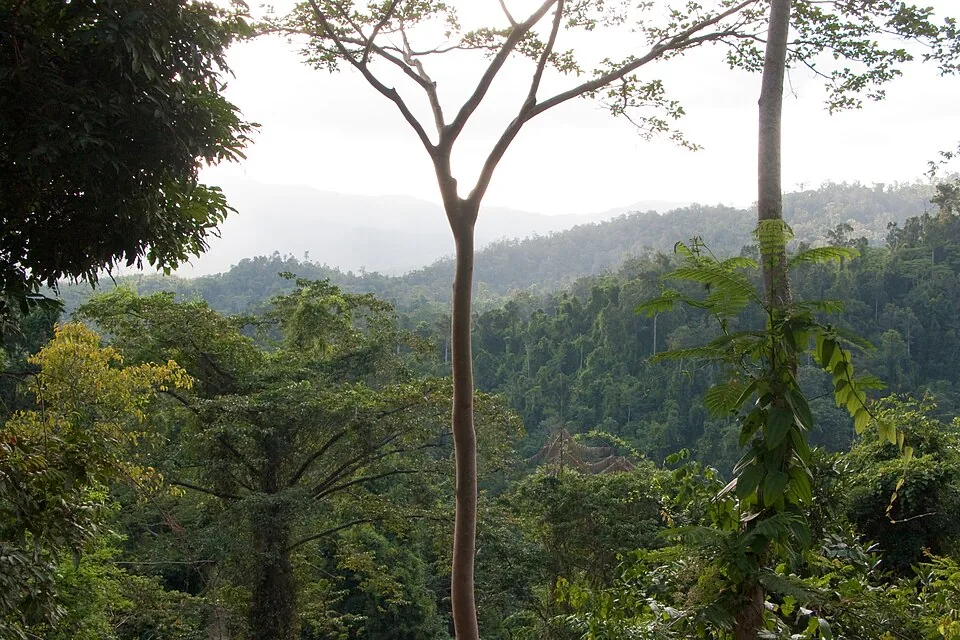
The Netherlands just pledged $500 million over ten years to the Tropical Forest Forever Facility, a fund meant to pay countries to keep their rainforests standing. It's real money and a real win. It's also roughly 0.4 percent of the $125 billion the fund is supposed to hold, which means the planet's lungs are currently being funded like a church bake sale.
The Good News, Which Is Actually Good
Let's start with the part that deserves a clap. The Dutch announced the pledge on October 26, as reported by Good Good Good in a piece originally published by Mongabay, and they estimate the fund could eventually protect 800 to 900 million hectares of tropical forest. That's about 2 billion acres, an area roughly 200 times the size of the Netherlands.
WWF-Netherlands called it a "major breakthrough for the protection of tropical forests worldwide." That's the kind of language conservation groups don't hand out lightly, because they spend most of their lives watching forests get turned into soybean fields and cattle ranches.
A country the size of a medium Texas county is putting up half a billion dollars to protect land on other continents. In a political era defined by governments asking what's in it for them, that's a refreshing change of pace.
How This Thing Is Supposed to Work
The TFFF was launched by Brazil at the 30th U.N. Climate Change Conference in November 2025. The design is basically a sovereign wealth fund for trees. Governments and private investors dump money into a pot, the pot gets invested, and the profits get paid out to tropical countries that keep their forests intact.
The pitch is predictable revenue. Right now, a poor country sitting on a giant forest has a brutal choice. It can chop the trees down for logging, mining, and ranching and get paid today, or it can leave them standing and get applause. Applause doesn't make payroll.
The fund is supposed to change that math. Satellite imaging and scientific monitoring protocols check that forests are actually being protected, so nobody gets paid for trees that quietly disappeared. The partners include the World Bank, Indigenous Peoples and Local Communities, scientists, economists, and finance experts.
The Math Problem Nobody Can Wave Away
The long-term goal is a $125 billion endowment. Current pledges add up to roughly $7.8 billion. That's about 6 percent of the way there. So the Dutch contribution is a big step on a very, very long staircase.
Then there's the question of whether the model even works. Bard Harstad, an environmental economist at Stanford, told Mongabay that "TFFF has severe flaws." His concern is the finance structure itself. The fund has to generate enough profit to satisfy investors and also pay tropical forest countries. Both of those things have to happen at once, every year, forever.
If the money doesn't show up as promised, participating countries get burned. Harstad warned that after they're disappointed, "the willingness to allocate funds to tropical forest conservation can be harmed for decades." That's the nightmare scenario: a fund designed to build trust that instead teaches the world's forest nations that rich countries' promises are decorative.
Brazil Dodged a Chainsaw
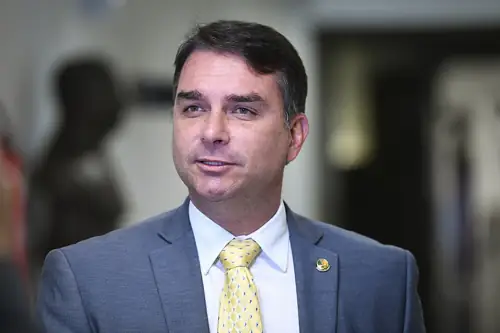
The timing here is almost too neat. The Dutch pledge landed the day after Brazil's runoff election, in which President Luiz Inácio Lula da Silva beat Flávio Bolsonaro. Lula has pledged to end deforestation by 2030. Bolsonaro is a climate change denier who promised not to demarcate any Indigenous land in Brazil.
Let that sink in. The country that launched the fund, and that holds the largest share of the Amazon, was one election result away from handing the keys to a guy whose environmental platform was a shrug and a bulldozer. The Dutch money moved one day after the vote went the right way. Funny how that works.
Harstad flagged exactly this risk. Governments can reverse their conservation commitments, he noted, "if someone like Bolsonaro should return to power in the future." A forest fund that depends on every future Brazilian election going well is a forest fund with a very anxious pulse.
The Alternative Harstad Wants
Harstad isn't just complaining. He recommends sustainability-linked bonds, which have been used in Uruguay. The idea is that a country's borrowing costs drop when its deforestation rates are low. Keep the forest, pay less interest. Cut it down, pay more.
That approach ties the incentive directly to behavior and doesn't depend on a giant endowment hitting its return targets. Whether it can scale to the Amazon or the Congo Basin is a fair question, and the TFFF's backers clearly think their model is the bigger swing.
But the debate matters, because we're running out of time to run experiments. Forests don't come back on a quarterly reporting schedule.
The Dingo Take
Can we all agree that $500 million is both a lot of money and almost nothing at the same time? Because that's the genuinely weird spot we're in. The Netherlands did something good, and the fund it joined is still about $117 billion short of its target. Both of those facts are true, and anyone who only wants to tell you one of them is selling something.
Here's what bugs me. The countries that got rich burning coal, clearing their own land, and shipping the bill to everyone else now get to be the heroes for writing checks to keep other people's forests alive. Fine. Take the win. A pledge from a wealthy nation beats a lecture from a wealthy nation every day of the week. But if the other rich governments, including the one in Washington that currently treats climate science like a personal insult, don't show up with real money, this fund becomes a very expensive press release.
The Dutch did their part. Now watch who doesn't. The forests will be keeping count, and so should you.



Comments