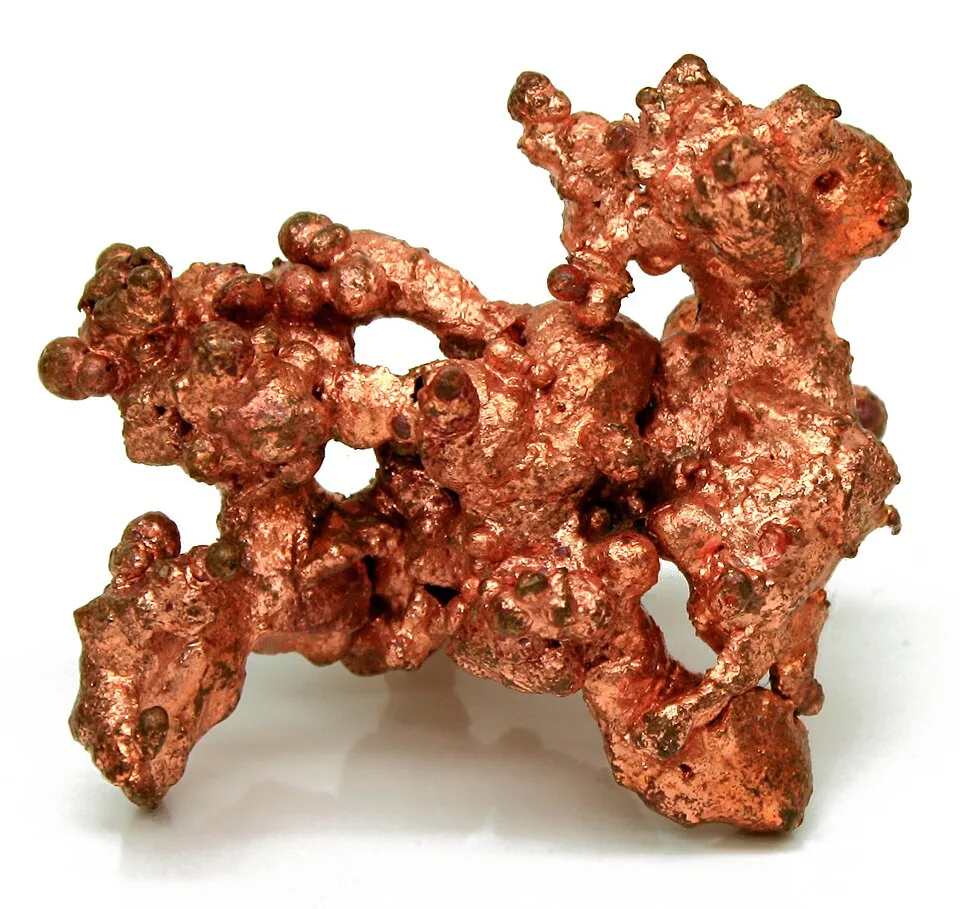
Activists in Zambia found out that a U.S. global health agreement was planning to condition medical funding on access to the country's copper and rare earth minerals. Yes, the HIV medication came with a mining claim attached. Now, after months of clinic closures and drug shortages, the Trump administration has a global health strategy, and a Democratic Congress is about to find out what's in it.
The Ribbon-Cutting After the Demolition
On October 8 in Lusaka, officials in suits sat around a wooden table, applauded each other, and signed a health agreement between the U.S. and Zambia. According to NPR News, Mich Coker, the Chargé d'Affaires at the U.S. Embassy, called it "a fundamental shift" from a "traditional donor-recipient model to a true partnership."
Partnership is a lovely word. It does a lot of work in that sentence, considering what came before it.
Global health experts across the political spectrum agree that something enormous has changed in how America handles health abroad. Janeen Madan Keller of the Center for Global Development described the shift as "very large and it's very rapid." That's the polite version.
Chaos Was the Expert Term, Not Ours
Let's rewind. At the start of his second term, Trump dismantled USAID, citing alleged "fraud, waste and abuse." Everything changed overnight. Madan Keller called the period "best described as chaos," and she wasn't being colorful for effect.
Clinics shut down suddenly. Patients ran out of HIV medications. In Zambia and a number of other countries, people who relied on U.S.-supported clinics and programs faced uncertainty and, often, dire health consequences. Jennifer Kates of KFF put it plainly: "For the first half of 2025, there was a complete upheaval."
Think about what that sentence means on the ground. Not a budget line getting trimmed. Patients showing up for medication that was no longer there.
Enter the America First Global Health Strategy
Over the summer of 2025, the administration finally stepped back and built an actual plan. Kates described it as "a sort of step back to develop an actual strategy." Notice the order of operations here: wreck the system first, draft the blueprint second.
What emerged from the State Department is the America First Global Health Strategy, with the stated goal of making "America safer, stronger, and more prosperous." Look at who's listed as beneficiary there. It isn't the patients.
The main mechanism is deals with individual countries. In the past, the U.S. did more of this work through large international organizations or local non-governmental organizations. Now it's bilateral, country by country, and experts say the defining feature is that the deals are transactional.
The Copper Clause
Here's where Zambia comes in. Asia Russell, executive director of the HIV/AIDS advocacy group Health GAP, said activists were able to show that the agreement planned to condition access to U.S. global health funding on access to Zambia's copper and rare earth minerals. Her organization helped expose it.
Read that again. Health funding. Copper. Rare earth minerals.
The minerals piece was separated from the health agreement after the public outcry in Zambia, which tells you the outcry worked and also tells you someone thought it was a good idea in the first place. Many of the health agreements still require recipient countries to share data, such as pathogen information. That's the part that survived.
Big Goals, Short Fuse, Less Daylight
To be fair, and we do try, some of the goals aren't crazy. Getting recipient countries to spend more on their own health systems and transitioning them off aid have long drawn bipartisan support. In the Zambia deal, the U.S. pays $1.5 billion over five years while Zambia commits to raising its own domestic health spending by $975 million. Zambia's health minister, Roma Chilengi, said the support aims to recruit up to about 40,000 health care workers.
Kates even argues the approach kickstarts goals that were hard to implement before. But she also says the earlier chaos makes them harder to achieve now, especially inside a greatly diminished U.S. global health system.
And the clock is the problem. Madan Keller warns the strategy aims for major changes in a handful of years, "on a compressed timeline with arguably limited capacity to manage it." Add in less transparency than before, and you have a high-speed handoff with the headlights off.
Now Congress Gets a Say
NPR's piece asks what a Democratic-controlled Congress will do with all this. That's the right question, and it's coming at exactly the right moment. The strategy is mostly built, the deals are mostly signed, and the people who control oversight and appropriations are about to change.
Congress holds the money and the subpoena pen. A strategy that relies on speed, bilateral deals, and a thin paper trail is going to look very different once someone with subpoena power starts reading the fine print. Starting with the copper.
The Dingo Take
You're being asked to accept that burning down a functioning aid system and then drafting a plan to replace it is the same thing as reform. It isn't. Reform means fixing something while the patients still have their pills. This was demolition first, blueprint later, and the people who paid for the gap were the ones with the least power to complain.
You're also being asked to treat the copper episode as a regrettable misunderstanding. Somebody put minerals in a health agreement. Somebody thought that was fine. It came out only because activists in Zambia caught it, and the thing only changed because they made noise. How many other clauses in how many other deals never got that kind of scrutiny? The strategy is built on transparency being optional, so the question answers itself.
Here's the narrow slice of fairness: making countries pay more for their own health care and wean off aid is an old bipartisan idea, and Zambia putting up $975 million is real money. But a good goal on a bad timeline, delivered by an administration that already showed it will let people run out of HIV medication, is not a plan you take on faith. The Democratic Congress has the power to read the whole thing. It should read it out loud.



Comments