
The man who sells the most sought-after chips on Earth just sent his employees a memo that begins, "I was unfaithful to my wife." The board of Nvidia has opened an independent investigation after reports that the woman at the center of it, a Chinese businesswoman buying his company's advanced chips, was recruited to spy for China's top intelligence agency.
The CEO of the company at the center of the AI boom, the one who shares stages with presidents and kings, may have been honey-trapped. Let that sink in for a second.
The Memo Nobody Wanted to Write
NBC News reported that Nvidia's board announced the probe on Sunday, following reporting by The New York Times and the Financial Times. The board said a committee of independent directors, assisted by outside independent counsel, will oversee the investigation, and that it "prioritizes U.S. national and economic security."
Then came Huang's own words, in a memo to employees that Nvidia shared with NBC. "I was unfaithful to my wife. My actions hurt her and our children. There is no excuse for what I did." He added: "To my wife and family: I love you. I know an apology cannot undo what I have done."
He also apologized to colleagues, the board, partners, and shareholders. "You deserve better from me," he wrote. It is a rough read. It is also, notably, a confession to an affair and not an acknowledgment of any espionage, which is the part that actually matters to national security.
Who Is Alice Huang?
According to the Times and the Financial Times, Alice Huang is a Chinese citizen whose Singapore-based company was buying Nvidia's advanced chips. She is not related to Jensen Huang. Same last name, no family tie, which is the kind of detail that would be funny if it weren't so loaded.
The reports say U.S. intelligence agencies had her under surveillance and concluded she had been recruited to spy by China's top intelligence agency. On Friday, the Financial Times reported that the U.S. government believed Jensen Huang had a romantic relationship with her.
NBC News has not confirmed either report and says it has reached out to the Trump administration for comment. So treat the espionage claims as reported, not proven. But the CEO's own memo confirms the infidelity part, and that tends to lend a certain credibility to the rest.
Why a Singapore Chip Buyer Matters
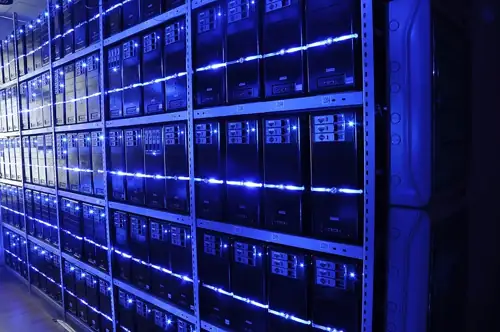
Here's the context. Nvidia makes the most highly sought-after chips in the world. Its top-tier products are mostly restricted from sale to customers in China because of national security fears. That restriction is the whole ballgame. It is the line Washington has drawn around the technology it considers too dangerous to hand to Beijing.
Now picture a customer based in Singapore, a place that is not China, buying those chips in volume, while allegedly working for Chinese intelligence and allegedly sleeping with the CEO. If the reporting holds up, that is not a subplot. That is the plot of a spy thriller that got rejected for being too on the nose.
Nvidia says it "has no reason to believe that either national security or NVIDIA secrets were compromised." The board's inquiry, the company says, "will examine all available information." Notice the phrasing. No reason to believe is not the same as we checked and it's fine.
Rubio Knew
The Times reported Sunday afternoon that concerns inside the U.S. government about Alice Huang and Jensen Huang rose as high as Secretary of State Marco Rubio. That is a long way up the chain for a story about a chip customer.
When the Financial Times first reported the alleged relationship, Nvidia declined to comment and noted that Jensen Huang meets "thousands of customer executives every year" like any CEO normally does. True enough. Most of those executives are not reportedly on a foreign intelligence service's payroll, and most CEOs are not writing mea culpa memos two days later.
So the government apparently had concerns serious enough to reach the Secretary of State, and the public learned about it through newspaper reporting, not through any official announcement. Make of that what you will.
The Ambassador of AI
Huang is not just any executive. He essentially serves as the industry's ambassador, regularly appearing alongside President Donald Trump, King Charles, and at conferences, where he touts his company and the immense payoff he says AI will deliver.
That access is the product. Nvidia's pitch to the world is that its chips are the future and that Huang is the guy who can sell you that future, personally, with a handshake and a leather jacket. A CEO with that kind of reach who may have been targeted by a foreign spy service is not a personal scandal. It is a vulnerability sitting at the center of the most strategically important industry in the world.
And he has been in rooms with presidents. We would very much like to know what was said in them, and to whom, and whether anyone was listening who shouldn't have been.
The Dingo Take
Nvidia says it has no reason to believe national security or company secrets were compromised. Its CEO says he was unfaithful. Those two statements are doing a lot of heavy lifting for each other, because the first one is a claim and the second one is a confession, and only one of them has been investigated so far. The board is only now getting around to looking, which is a funny order of operations for a company that supposedly prioritizes national security above all else.
Here's what we actually know. A Chinese citizen whose company bought Nvidia's chips was allegedly an intelligence asset. The CEO admits an affair. Concerns reportedly climbed as high as the Secretary of State. And the company that sells the technology Washington is desperate to keep from Beijing is now promising to look into whether anything went wrong. The reporting is unconfirmed by NBC, and the espionage allegations deserve that caution. But the memo is real, the investigation is real, and the stakes are very real.
The government spent years telling us these chips were too dangerous to export. Fine. Then maybe the person with the keys to the whole operation shouldn't be the last to find out who he's talking to. An independent investigation is the right move. It is also the move you make after the story is already in the New York Times, and that tells you everything about how this was going to be handled if nobody had printed it.


Comments