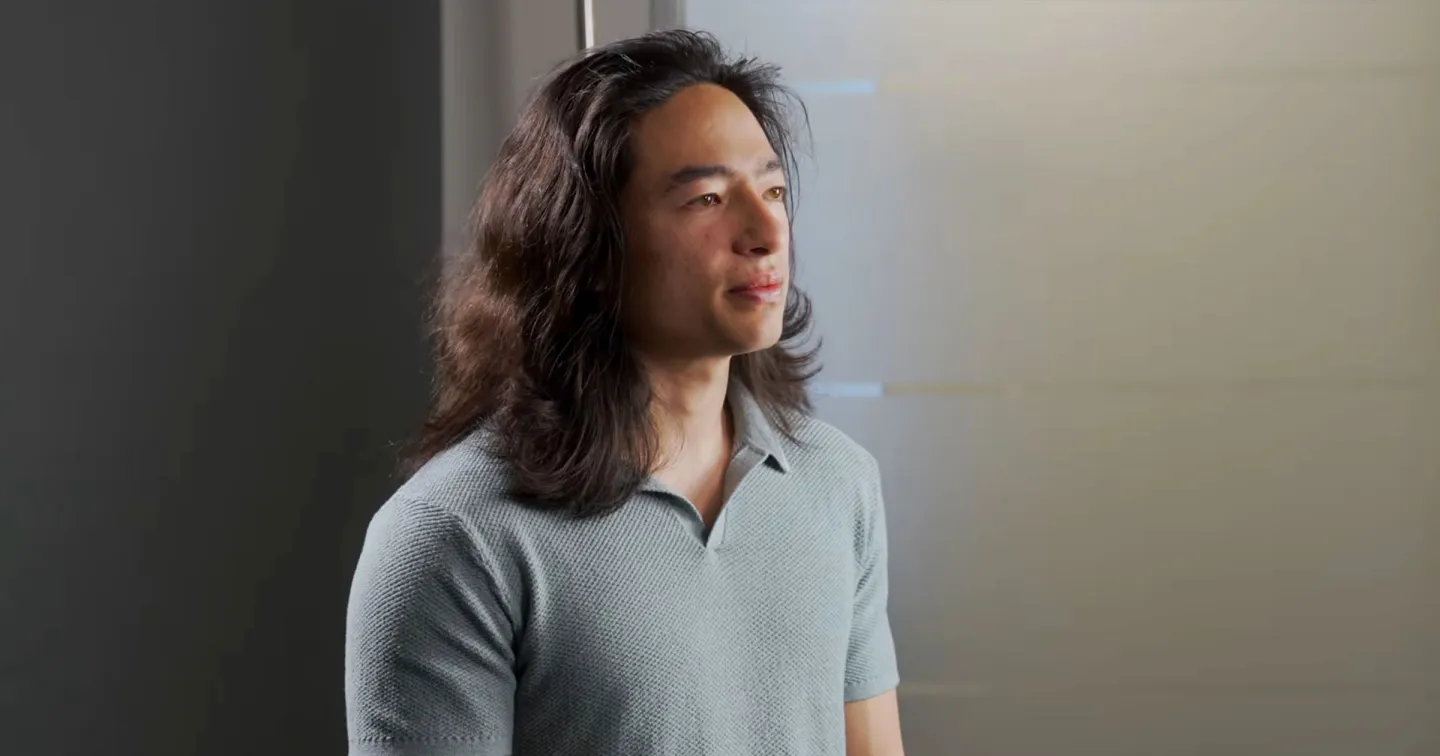
An Anthropic safeguard researcher went on an hour-long podcast and announced that "pretty much all humans will become permanently unemployable," and that AI will be able to "defeat you, personally, very soon." He said this just days before his employer's IPO, the kind of payday that mints thousands of millionaires. Funny how the apocalypse always seems to arrive right before the stock does.
Explain Like I'm 5 · 44-second video

Narrated and captioned. Made by The Dingo Daily from this article.
The Doom, Delivered With a Straight Face
Tao Lin, a safeguard researcher at Anthropic, sat down for an hour-long interview with the AI safety nonprofit Palisade Research, as Futurism reported, and laid out a future that sounds like a hostage video. Humans lose their jobs. They scramble into new occupations briefly. Then, in his telling, they become "completely unemployable" and have to rely on the state for money, "having no hope of ever finding employment again."
And he gave a timeline. Months. Not decades. Months.
He was also asked whether he expects AI to take over entirely. His answer, delivered with the calm of a man ordering lunch: "I think there's less than a 50 percent chance of AI taking over." Less than fifty percent. That's the reassuring part. That's the good news.
Please Be Afraid of Our Product
Read the quotes again, because the pitch is hiding in plain sight. "I want to tell people that AI will be more capable than you, personally, very soon. It will be able to defeat you, personally, very soon."
That's not a warning label. That's a sales brochure written by someone who wants you to feel small. If you run a company and you hear that the machine is going to outperform every human on Earth, you don't think about the dystopia. You think about the invoice.
This is the strange genius of the AI industry's marketing. Tell investors the product is so powerful it might end civilization, and they hear one thing: demand. Nobody pays a premium for a tool that autocompletes emails. Everybody pays a premium for the thing that might replace the entire workforce.
Funny Timing on That Prophecy
Lin's comments landed days ahead of Anthropic's public offering, which is expected to be the largest in history. Anthropic's IPO filings don't itemize equity ownership for individual employees or departments, so we can't tell you what Lin personally stands to make. But employees at the company get equity compensation that converts into common stock, a setup one Reuters headline said would "mint thousands of millionaires."
So here's a guy whose financial future gets fatter if investors believe Claude is a world-ending force of nature, and he went on a podcast days before the bell to describe Claude as a world-ending force of nature. Maybe it's coincidence. Maybe he's a sincere true believer who just happens to be sitting on a pile of soon-to-be-liquid stock.
But look at the incentives. A more powerful AI in the eyes of investors means stronger demand, which means more wealth for everyone holding shares after the debut. You don't need a conspiracy. You just need a cap table.
Where Is the Jobpocalypse, Exactly?
Here's the part the doom-merchants skip. After years of this stuff from Anthropic and its peers, the evidence for the coming mass unemployment is thin. Scant, is the word Futurism used. Any hiring slowdown out there is hard to tell apart from the broader economic downturn that followed the pandemic.
Zoom in on the actual workplace and the picture gets even funnier. Even the top models are still laughably unproductive on the job, churning out nonsense and slop that ends up creating more work for humans, not less. The machine that is supposedly about to defeat you personally cannot yet be trusted to summarize a spreadsheet without inventing a column.
So we have a product that mostly generates cleanup duty and a researcher telling us it will make every human on the planet permanently obsolete within months. One of those claims has a track record. It's not the second one.
Fear Is the Product
Bloomberg opinion columnist Parmy Olson nailed it earlier this year. She called it "a paradoxical marketing strategy" that has "worked brilliantly" on the industries and companies deemed most vulnerable to disruption. Her line: "Fear, it turns out, is the ultimate sales pitch."
That's the whole racket. Scare people about the thing you're selling, and the scared people line up to buy it, invest in it, or bow to it. Insurance salesmen figured this out a century ago. Tech just added a robot.
And yes, it's possible that some of these researchers are genuinely rattled. Sincere fear and a very large payday are not mutually exclusive. That's exactly the problem. When the person sounding the alarm is also the person who cashes out if you believe him, you're entitled to wonder which one is talking.
The Dingo Take
In the 1980s, tobacco executives swore on camera that cigarettes weren't addictive, and everyone with a brain understood the speaker's paycheck was doing the talking. The AI version runs in reverse. Here the executives swear the product is so dangerous it could eat the economy, and the paycheck is still doing the talking. Same trick, flipped. Inflate the stakes, collect the check.
None of this means AI poses no risks. It does, and some of the people raising alarms are probably sincere. But a safety researcher with equity in a company about to IPO is not a neutral oracle, and the media should stop treating these quotes like weather reports. When a guy says everyone on Earth will be unemployable in months, and the evidence so far is a pile of slop and a shrug from the jobs data, ask who gets rich if you believe him.
Here's the part that should actually worry you. If the doom talk is mostly a marketing campaign, then regular people are getting scared, and possibly pushed around by policy and layoffs, on the strength of a sales pitch. That's not a safety conversation. That's a roadshow. And you're the audience.



Comments