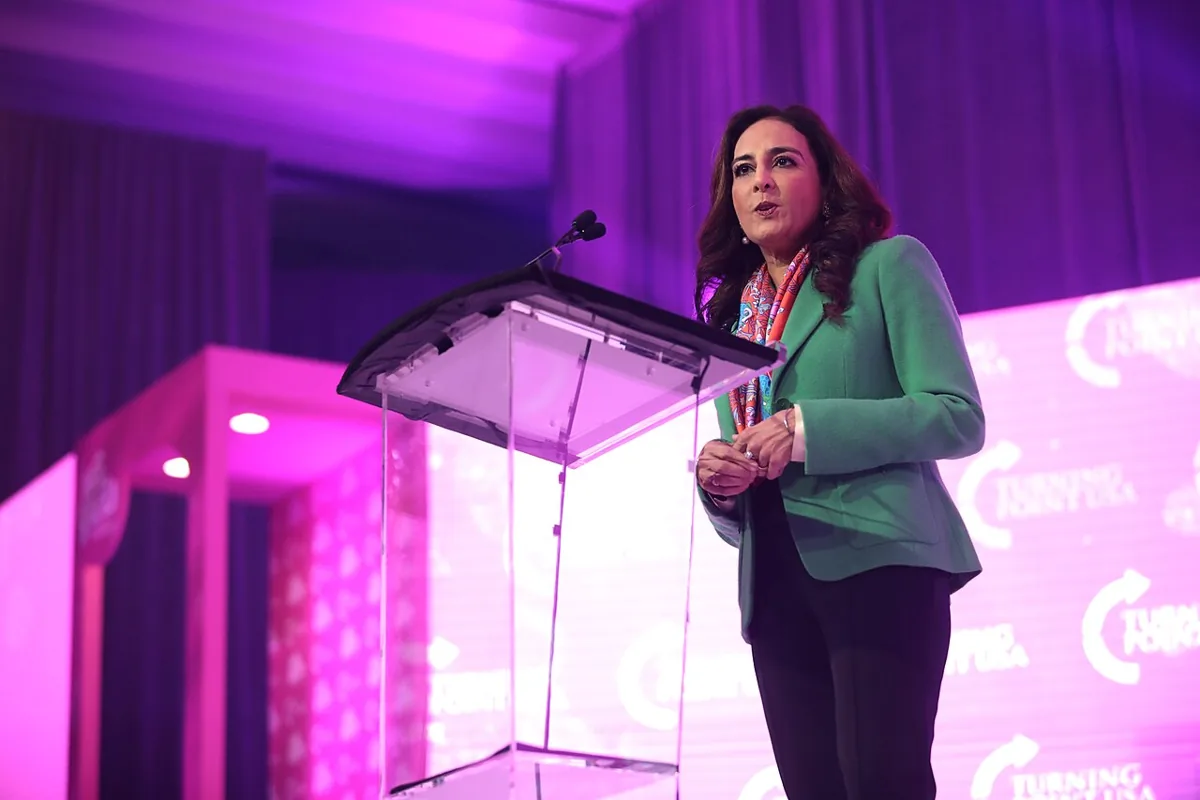
Two days after voters handed Congress back to Democrats, Harmeet Dhillon discovered she needed to spend more time with her private practice. Within a week, three more of Trump's top Justice Department officials had followed her out the door, like rats who just remembered an appointment on dry land.
Explain Like I'm 5 · 45-second video

Narrated and captioned. Made by The Dingo Daily from this article.
Four Resignations in Under a Week
The timeline is almost too tidy. Civil Rights Division chief Harmeet Dhillon announced her resignation on November 5, two days after the midterms. Within 24 hours, National Security Division chief John Eisenberg and U.S. Attorney Jason Reding Quiñones joined her. By November 9, Civil Division head Brett Shumate became the fourth senior DOJ official to quit in under a week, according to The New Republic.
Nobody has offered a convincing explanation for the timing other than the obvious one. Voters flipped Congress, and the people who spent 19 months turning the Justice Department into a grievance machine suddenly realized what January 2027 would look like. Subpoenas. Witness tables. Oaths.
A coincidence is possible, in the sense that it's possible I'll be elected Pope.
Dhillon's Greatest Hits Against Civil Rights
Let's start with the woman who ran the Civil Rights Division as if the name were a typo. Dhillon promised during her confirmation process that "either DEI will die itself, or we will kill it." That is not the vow of someone planning to enforce the Civil Rights Act. That is the vow of someone who read the Civil Rights Act and found it too woke.
Under her leadership, more than 75 percent of the division's career staff were driven out. She pulled the division out of school desegregation and discrimination cases. She refused to investigate fatal shootings by ICE agents during a campaign of profiling and deporting people of color. And she used the office to threaten and investigate universities over diversity policies and student organizing.
The division that once existed to defend marginalized communities spent its time chasing "reverse racism" against white men. Impressive work, if your goal was to make the Civil Rights Division indistinguishable from a Fox News chyron.
Shumate, Eisenberg, and the Grand Conspiracy That Conspired Nothing
Shumate used the Civil Division to dismantle workplace diversity programs, sue sanctuary jurisdictions trying to keep local police out of mass deportations, and shutter clinics providing gender-affirming care. That last one abruptly cut off medically necessary treatment for transgender adolescents and their families. Real people. Real kids. Real consequences for a legal theory somebody cooked up in a think tank.
Eisenberg oversaw politically motivated leak probes and the retaliatory classified-documents prosecution of Trump critic John Bolton. Reding Quiñones ran Trump's sprawling "grand conspiracy" investigation into political rivals, a partisan fishing expedition that dragged targets through costly, abusive federal scrutiny.
Here's the punchline. It didn't produce a single indictment before he headed for the door. Nineteen months of effort, an entire federal apparatus, and the grand conspiracy turned out to be a grand nothing. At least the targets got a lot of legal bills out of it.
Nobody Is Actually Retiring
Before anyone pops champagne, understand what's happening here. These lawyers aren't abandoning the crusade. They're trading government paychecks for conservative dark-money funding and resuming the fight from the outside.
Dhillon is heading straight back into private practice. Before Trump handed her the Civil Rights Division, she built a career at Dhillon Law Group and a nonprofit litigation outfit called the Center for American Liberty. The model is simple and, for her, lucrative. Manufacture an ideological grievance, package it as a novel constitutional injury, route it through handpicked federal judges, and ride it to a six-justice conservative supermajority on the Supreme Court. Along the way, nonprofit donations get funneled to her private firm.
Her track record is a decent preview of what's coming. She represented former Google engineer James Damore in a class-action suit claiming Silicon Valley discriminated against white conservative men. She launched lawsuits targeting gender-affirming care and school trans-inclusion policies. Her group won shadow docket victories during Covid that subordinated public health to religious exemptions. And when Trump tried to overturn the 2020 election, Dhillon was advising the campaign, openly banking on Trump-appointed justices like Amy Coney Barrett to deliver him the presidency.
The Watchdog They Left in a Ditch
Here's the part that should make your stomach drop. Historically, when conservative litigants went to federal court to gut the Voting Rights Act, roll back workplace antidiscrimination rules, or challenge civil rights protections, the Civil Rights Division showed up. It brought institutional expertise, statutory authority, and decades of enforcement data to defend federal civil rights laws.
Dhillon spent 19 months hollowing that division out. Now she gets to walk back into private practice and file the exact lawsuits the division used to fight. The next wave of challenges to voting access, school equity policies, and corporate diversity programs will land in a courtroom where the federal government's primary civil rights watchdog has no staff and no appetite.
That's not a side effect. It's a business plan with a government-funded first phase. The DOJ spent a year and a half clearing the field, and the people who cleared it are now going to play on it.
The Dingo Take
Four of the most senior people at the Justice Department left within a week of Democrats winning Congress, and not one of them said a word about why. Reasonable people can draw their own conclusions from the calendar.
The New Republic is right that it's satisfying to watch these officials run. It's also not much of a victory. They aren't being held to account. They're being rebranded. The same lawyers who gutted civil rights enforcement from the inside will now attack civil rights law from the outside, with donor money, friendly judges, and a Supreme Court that treats their grievances as constitutional scholarship.
Democrats should absolutely use their new subpoena power, and they should not let a resignation letter substitute for testimony. Leaving the government doesn't erase what you did in it. Make them sit at the witness table anyway. Put the desegregation decrees on the record. Ask Dhillon, under oath, who benefited when the Civil Rights Division stopped doing civil rights.


Comments