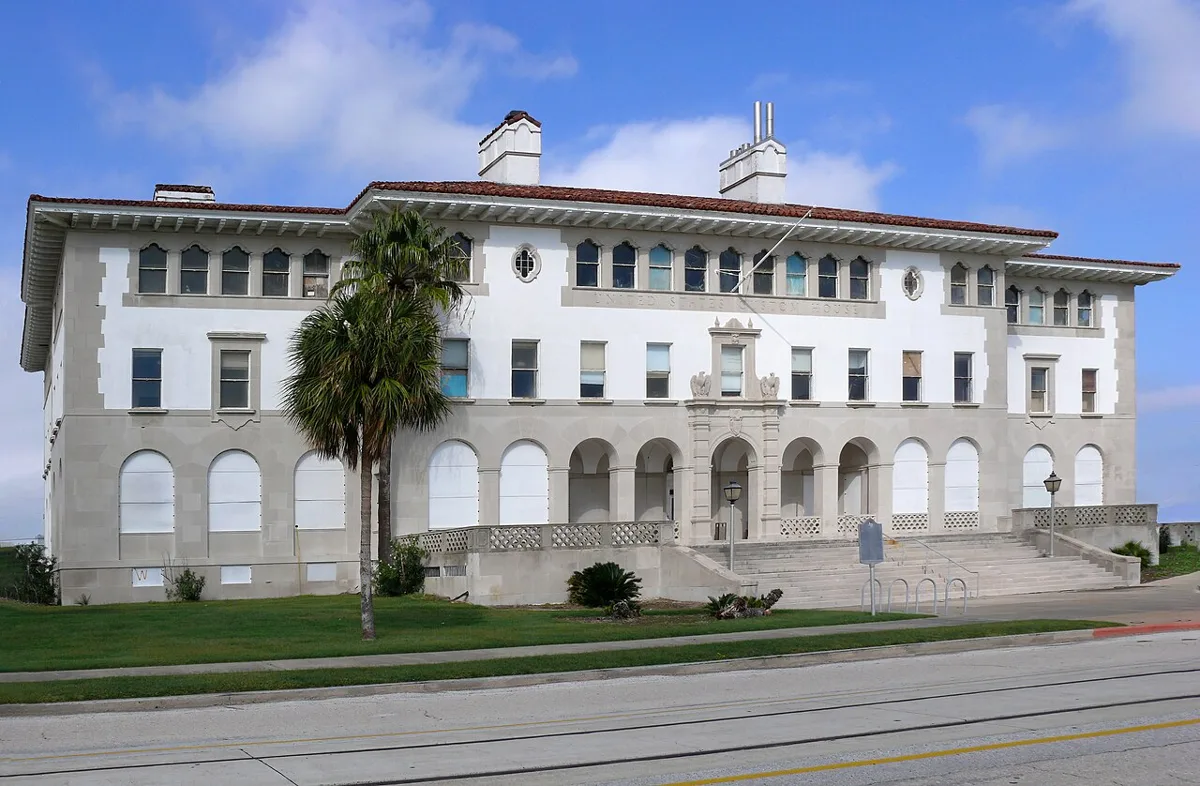
Over a million people were stuck in legal purgatory because the Trump administration quietly froze their immigration applications, locked them out of work permits, green cards, and citizenship decisions for months. A federal judge finally told them to knock it off. Their response: fine, technically, but also we filed an appeal the same day.
More Than a Million People, Just Left Hanging
Here's the thing about a million immigration applications grinding to a halt: those are a million actual human beings. People waiting for green cards. People waiting for citizenship. People who legally cannot work while their cases sit in a pile somewhere at U.S. Citizenship and Immigration Services, untouched, because the agency decided to just... stop.
According to the New York Times, USCIS had imposed a global hold on asylum applications filed with the agency and a separate freeze on applications from people in 39 countries, mostly in Africa and the Middle East, covered by Trump's travel ban. The result was a bureaucratic glacier. Decisions stopped. Work authorizations dried up. And hundreds of thousands of people who had done everything right, filed the right forms, paid the right fees, waited in the right lines, got nothing back but silence.
This wasn't some minor procedural hiccup. The Times reports this disrupted people's legal ability to work and left them waiting indefinitely. Indefinitely. No timeline. No updates. Just a frozen inbox and a prayer.
The Judge Who Apparently Still Believes Laws Apply
Federal Judge John J. McConnell Jr. in Rhode Island looked at this situation last week and struck down the whole suite of policies, calling it what it was: illegal. A major blow, as the Times describes it, to the administration's expanding campaign to restrict legal immigration.
Note the word legal. We are not talking about people crossing borders without authorization. We are talking about people who applied through official channels, submitted paperwork, and got frozen out anyway because the administration decided the rules didn't apply to them this week.
Judge McConnell didn't just issue the order, either. The Times reports he subsequently rebuked the administration for failing to immediately comply after the ruling came down. As in, they got the order, and didn't move. A federal judge had to come back and essentially say: no, I meant now.
Compliance, Sort Of, With a Side of 'We Hate This'
So how does the Trump administration respond when a court orders them to restart processing applications for over a million people? With the most passive-aggressive legal maneuver available.
In a court filing on Friday, USCIS deputy director Angelica Alfonso-Royals said the agency had told its employees to treat the frozen policies as if they are no longer in effect. That's the compliance part. But the agency also posted a memo on its own website saying it "strongly disagrees with the court's order" while agreeing to "follow its terms pending possible further judicial review." Which is bureaucratic speak for: we're doing this under protest and we're working on getting out of doing it.
The Times reports that as of Friday evening, it was not actually clear whether the agency had restarted making decisions on applications. They said the words. Whether the machine actually started moving again is a different question entirely. And on the same day they filed the memo, the administration appealed to the U.S. Court of Appeals for the First Circuit, asking that judge's order be paused while the appeal plays out.
What Appealing the Order Actually Means
Let's be specific about what the administration is asking for here. They're not just appealing a policy dispute in the abstract. They are asking an appellate court to let them go back to doing the thing a federal judge already said was illegal, while the courts figure out whether it was, in fact, illegal.
If the First Circuit grants a pause, those million-plus applications freeze again. The work permits dry up again. The green card decisions stop again. The people who had their cases restarted this week would be right back in limbo before any of them saw a resolution. That's not a hypothetical. That's the explicit outcome the administration is seeking.
This is the playbook. Comply just enough to avoid contempt. Appeal immediately. Hope the higher court buys you time. Run out the clock on people whose legal status depends on a clock that keeps getting reset.
The Pattern Nobody Should Be Surprised By
The New York Times frames this as a blow to the administration's expanding efforts to restrict legal immigration. That framing is accurate and worth sitting with. Legal immigration. The kind with applications and fees and waiting periods and background checks. The kind that opponents of illegal border crossings always say they support.
This wasn't an enforcement action at the border. This was USCIS, the agency that processes the paperwork for people going through the legal system, deciding to simply stop processing the paperwork. For people from 39 specific countries. With no end date announced. Until a judge made them stop.
The administration has been very clear about what it wants. It wants less immigration, full stop. Legal, illegal, asylum, green card, citizenship path. The categories that were supposed to matter to the "we just want people to come here legally" crowd are being closed off one by one, and the people who used to repeat that line have gone very quiet.
The Dingo Take
A federal judge ordered the Trump administration to restart processing over a million immigration applications it had illegally frozen. They technically said yes, filed a memo using the words the court needed to hear, and then immediately appealed to get permission to freeze everything again. This is not compliance. This is a stall tactic dressed in compliance language, and everyone in that courtroom knows it.
What makes this genuinely infuriating is the sheer scale of the harm sitting underneath the legal procedural drama. These are not abstract case numbers. Every application in that pile belongs to a person who is currently unable to work legally, or unable to get a green card, or stuck waiting on citizenship, because an administration decided its preference for fewer immigrants outweighed the law. And when the law pushed back, the administration's move was to appeal so it could keep doing the illegal thing while the courts catch up.
The Trump administration has made it very clear that the distinction between legal and illegal immigration was always a rhetorical tool and never a genuine policy principle. The million frozen applications prove it. The immediate appeal proves it. The memo that says 'we strongly disagree' while technically complying proves it. They got caught. They're trying to get uncaught. And the people whose lives depend on those frozen applications are just waiting to find out which way the First Circuit breaks.




Comments