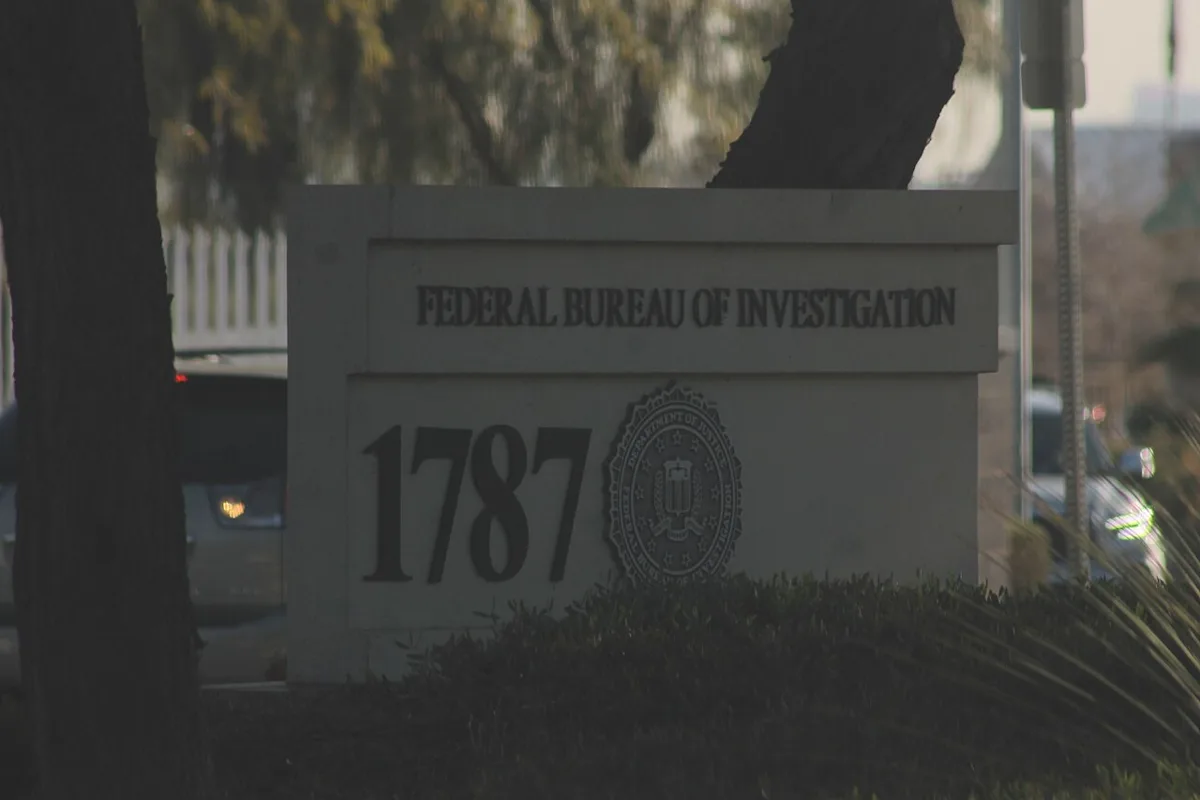
The FBI showed up at a voter registration group's office in Cleveland on Thursday, seized their computers and phones, and sent agents to knock on the doors of people affiliated with the organization across Ohio. This happened in June of a midterm election year. Draw your own conclusions, but maybe don't take too long.
What Actually Happened at the Ohio Organizing Collaborative
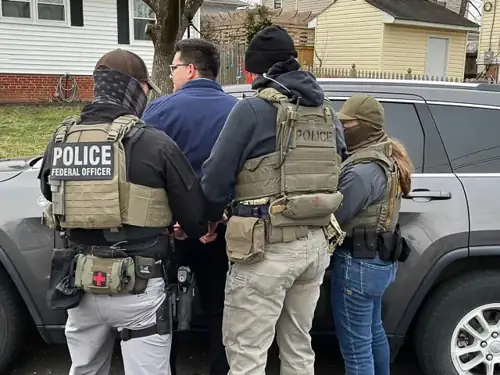
FBI agents raided the Cleveland office of the Ohio Organizing Collaborative, a grassroots organization that does voter registration work, primarily for working-class and Black voters. According to board member Prentiss Haney, agents walked out with computers and phones. They also fanned out across the state to interview people connected to the group at their homes.
"This raid is a full-on coordinated assault weaponizing the justice department and DHS against people who are fighting for working-class voters and Black voters to make sure they have access to the ballot," Haney told the Guardian. The FBI's Cleveland office did not return a request for comment, because of course it didn't.
Haney said the agents appeared to be looking into accusations of fraud related to the 2024 election. What specific accusations? Unknown. What evidence triggered a full office raid? Also unknown. The FBI is not saying anything, which is itself a kind of answer.
The Timing Is Not a Coincidence
Let's be precise about the calendar here. The 2026 midterm elections are this fall. The FBI just raided a voter registration organization in June. That's the entire sentence.
The Guardian reports this raid came roughly a month after a top official in acting attorney general Todd Blanche's office instructed federal prosecutors to make voter fraud cases a priority. Last fall, Ohio's Republican secretary of state Frank LaRose referred over 1,000 non-citizens who appeared to have registered in the state to the Justice Department. Reuters reported in April that federal investigators had already been collecting voter records in at least six Ohio counties.
So this is a pattern, not an isolated incident. The apparatus is moving, and it is moving in one direction, toward organizations that register voters who tend not to vote Republican.
Ohio Democrats Are Furious, and They're Right to Be
The raid, first reported by MS Now, drew immediate condemnation from elected officials who are not pretending this is a routine law enforcement action. Ohio Democratic Representative Shontel Brown, whose district includes Cleveland, called it "an unprecedented attack on democracy" and said the raids must end immediately. She went further, saying this looks like "a systematic effort by Trump and Kash Patel's FBI to attack our elections and perpetuate more myths of voter fraud."
Sherrod Brown, who lost his Senate seat in 2024 and is running again this cycle, called the reports "deeply disturbing." Cleveland Mayor Justin Bibb issued a statement demanding the FBI disclose its legal basis for the raid. "If there is a legitimate basis for these actions, it should be disclosed," Bibb said. "If not, the public has every right to question whether civic participation is being unfairly targeted."
That second sentence is doing a lot of quiet work.
The Voter Fraud Myth That Won't Die
Here is what is true about voter fraud in America: it is extraordinarily rare, consistently documented as such by Republican and Democratic election officials alike, and has never been shown to affect the outcome of any modern election. Here is what Trump continues to claim: that voter fraud is rampant, that it cost him races, and that California, which counts mail ballots that arrive after election day in accordance with its own laws, is some kind of crime scene.
Trump offers no evidence for any of this, the Guardian notes, because there is no evidence. What there is, however, is a Justice Department now pointing its resources at organizations that register voters in communities that vote against him. That is not a coincidence. That is a policy.
Michael Waldman, president of the Brennan Center for Justice, called the raid "an outrageous fishing expedition" and "an egregious abuse of law enforcement for political ends." Waldman said it fits a pattern of federal activity targeting voting infrastructure ahead of the midterms. The Brennan Center has been tracking this stuff for decades. When they use the word "egregious," they mean it.
What Ohio Actually Looked Like in 2024
One more piece of context the FBI might want to consider: Trump won Ohio in 2024. He won the popular vote there, picked up 17 electoral votes, and Republican Bernie Moreno defeated Democratic incumbent Sherrod Brown in the Senate race, helping hand the GOP the upper chamber. The partisan balance of Ohio's congressional delegation did not change.
So whatever fraud the FBI thinks it's investigating, it apparently didn't stop Trump from winning the state. The Ohio Organizing Collaborative, the group whose office just got raided, was doing voter registration work in a state that went red. Either this is about 2024 conduct that the government thinks crossed a legal line, in which case they should say so publicly and immediately, or it's about 2026 and about making sure certain organizations think twice before knocking on doors this fall.
Those are the two options. Pick one.
The Dingo Take
Let's not be naive about what this looks like. An administration that has spent years screaming about voter fraud without producing evidence of it is now using the FBI to raid a grassroots group that registers Black and working-class voters, two months before an election. The acting attorney general's office told prosecutors to prioritize voter fraud cases. Federal agents have been collecting voter rolls across Ohio for months. And now there are agents at people's homes. This is a coordinated pressure campaign dressed up as law enforcement.
The thing about intimidation is that it doesn't have to result in convictions to work. If you raid a voter registration organization before an election, you don't need to prove anything. You just need the staff to spend the next several weeks talking to lawyers instead of canvassing. You need volunteers to decide it's not worth the risk. You need the story itself to travel through communities and make people wonder whether participating in democracy might bring the FBI to their door. That's the point.
Trump lost the 2020 election and spent four years trying to burn down the machinery that counted the votes. He's not going to accept a Republican loss in the 2026 midterms either, and he's already said as much. The question for every American watching this is whether the federal government gets to use the FBI as a voter suppression tool in broad daylight. Right now, it is doing exactly that, and the answer from the Justice Department is silence.


Comments