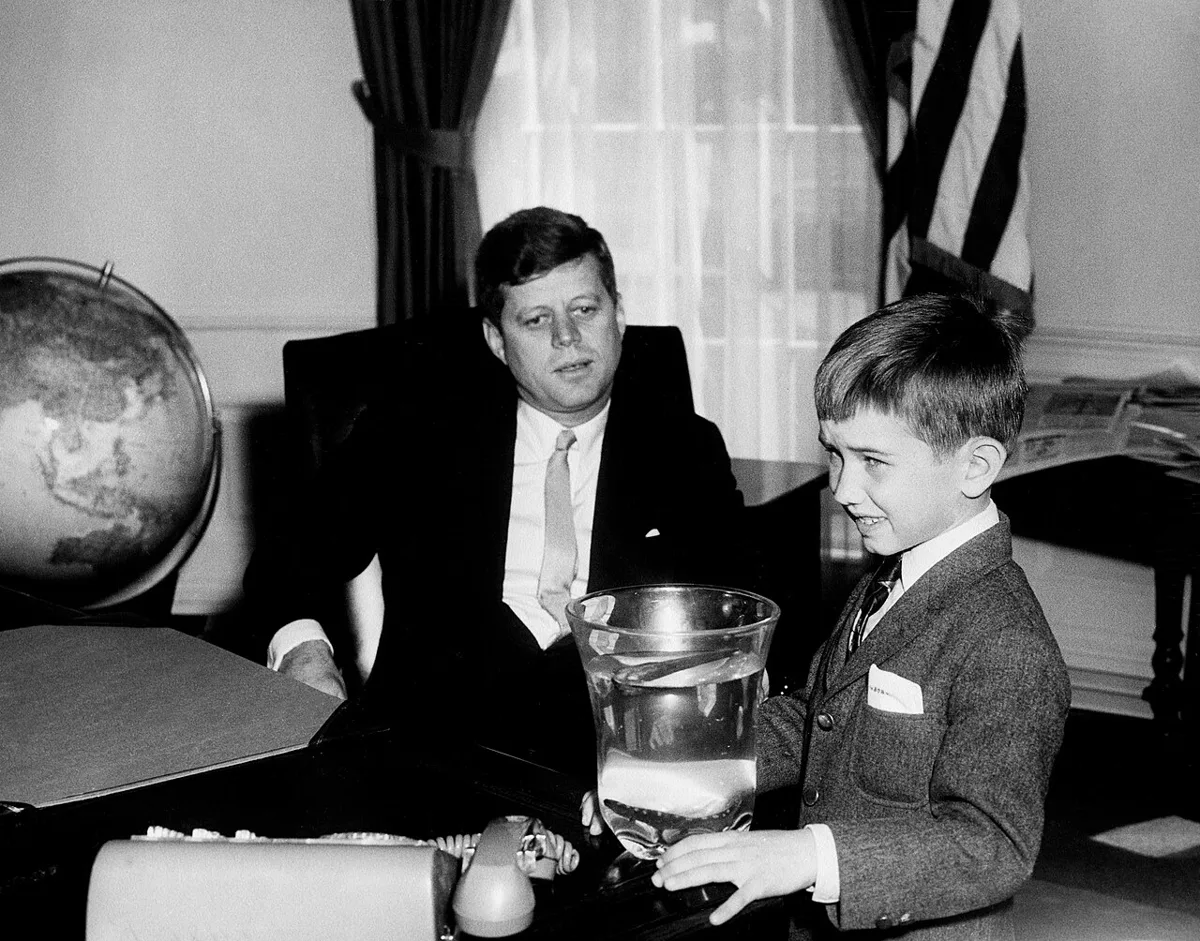
Robert F. Kennedy Jr., a man who has spent the better part of two decades telling anyone who would listen that vaccines are suspect, is now the person who runs U.S. vaccine policy. The next few months, according to Axios, will determine the shape of that policy for years to come. Sleep tight.
He Said He'd Restore Trust. He Has Not Restored Trust.
Kennedy walked into the Department of Health and Human Services with a stated mission: restore public confidence in vaccines and bring serious scrutiny to the pharmaceutical establishment. That's actually a defensible goal, at least in the abstract. Public trust in health institutions took a real beating during COVID, and some of that erosion was earned.
But there is a significant difference between rigorous, evidence-based scrutiny and the kind of moves Kennedy has been making since taking office. According to Axios, his boldest actions have triggered political blowback and formal charges that he is actively spreading misinformation and debunked theories. This is not the record of a man restoring trust. This is the record of a man lighting the building on fire and calling it renovation.
Legal Firestorms Don't Just Start Themselves
Axios reports that Kennedy has shaken up longstanding precedent in ways that touched off a legal firestorm. The details of exactly which moves sparked which lawsuits are still unfolding, but the pattern is familiar by now. Someone in this administration decides the rules don't apply to them, does the thing anyway, and then lawyers get involved while the rest of us watch in real time.
What makes the vaccine portfolio different from, say, the administration's various other ongoing disasters is the direct public health stakes. We are not talking about regulatory paperwork or bureaucratic turf wars. We are talking about the infrastructure that tells parents which shots their kids need, which vaccines the federal government recommends, and how the country responds when the next outbreak shows up. Kennedy is not just playing with fire. He is playing with fire in a hospital.
The Timing Could Not Be More Consequential
Axios frames this clearly: a pivotal series of decisions in the coming months will shape U.S. vaccine policy for years. That is not hyperbole. Vaccine schedules, approval processes, and public health recommendations are not things that get rebuilt overnight once someone has spent years tearing them down.
The compounding problem is that Kennedy's tenure is happening against a backdrop of already-declining vaccination rates in parts of the country. Measles, a disease that was declared eliminated in the United States in 2000, has been staging a comeback. The public health community did not need a Health Secretary who arrived pre-loaded with skepticism about the entire enterprise. They needed the opposite of that. They got Kennedy.
How Did We Get Here? A Brief and Depressing Recap
Kennedy ran as an independent presidential candidate, got absolutely nowhere, and then endorsed Donald Trump in August 2024. Trump rewarded him with the HHS nomination. Republicans confirmed him despite decades of documented anti-vaccine advocacy and despite the fact that a significant portion of the public health and medical establishment was screaming warnings from the rooftops.
The people who were screaming those warnings are not looking vindicated in a way that feels good. When you warn that something catastrophic might happen and then it starts happening, the correct emotion is not satisfaction. It is dread.
What Happens Next Is Not Fixed
The Axios framing is careful to note that the coming decisions are pivotal, which implies they haven't all been made yet. Kennedy still has choices in front of him. The vaccine advisory committees, the approval pipelines, the federal recommendation processes: these are institutions with real people in them who are fighting to do their jobs.
The question is whether those people have enough structural protection left to matter. The Trump administration has spent the better part of its time in office systematically dismantling the independence of federal agencies, firing career officials, and installing loyalists. How much of the actual expertise infrastructure at HHS remains functional is a question that deserves a lot more coverage than it is currently getting.
The Dingo Take
Here is the part that should make you genuinely angry, past the dark comedy of it all. Vaccines are one of the most successful public health interventions in human history. Smallpox is gone. Polio is essentially gone in the developed world. Children do not routinely die of measles or whooping cough in this country anymore, and the reason they don't is the exact system Kennedy was handed control of. Whatever your feelings about pharmaceutical companies, about regulatory capture, about the specific rollout of the COVID vaccines, the foundational science is not in dispute. Vaccines work. Kennedy has spent his career suggesting otherwise.
The administration knew this when they nominated him. The Senate knew this when they confirmed him. Everyone involved made a choice, and the consequences of that choice will outlast all of them in office. Vaccine hesitancy that gets baked into a generation of parents does not reverse itself when the next administration gets around to cleaning things up. Trust, once broken by someone who is supposed to be the authoritative voice on public health, takes a very long time to rebuild. Kennedy is not the end of the story. He is damage that will compound.
So yes, the next few months are pivotal, as Axios says. Pay attention to what the advisory committees recommend and whether Kennedy overrides them. Pay attention to which scientists and doctors leave HHS and who replaces them. Pay attention to vaccination rates in your state. The boring procedural details are where this actually gets decided, and the stakes are considerably higher than the news cycle has made them feel.


Comments