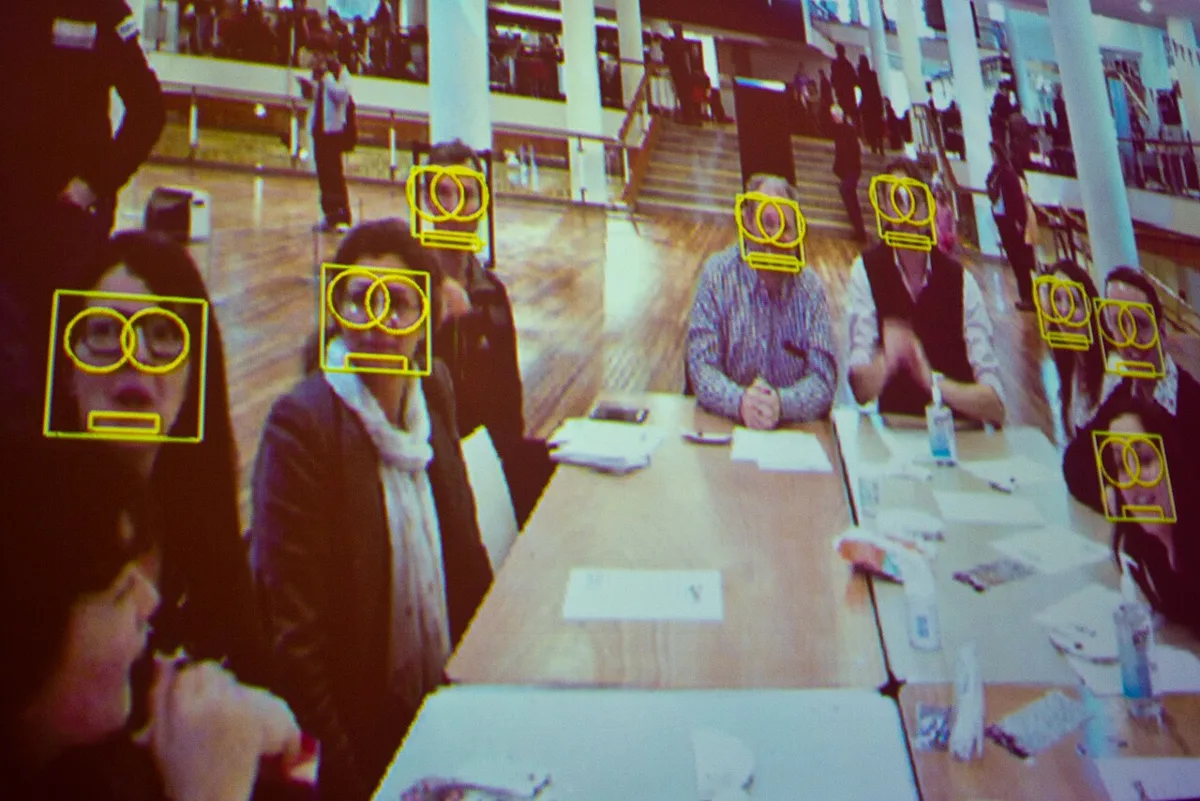
The Department of Homeland Security has a document. In that document is a plan. The plan is to hand facial recognition technology directly to local police departments so they can help ICE surveil more people, in more places, than ever before. NPR got hold of it, and what's in there should concern anyone who has ever had a face.
What the DHS Document Actually Says
According to NPR, a newly revealed Department of Homeland Security document lays out a concrete plan to issue facial recognition technology to local law enforcement agencies. This isn't a think piece or a policy proposal floated by some mid-level bureaucrat. This is a written plan from DHS, the same agency that runs ICE, describing how to expand their surveillance reach into police departments across the country.
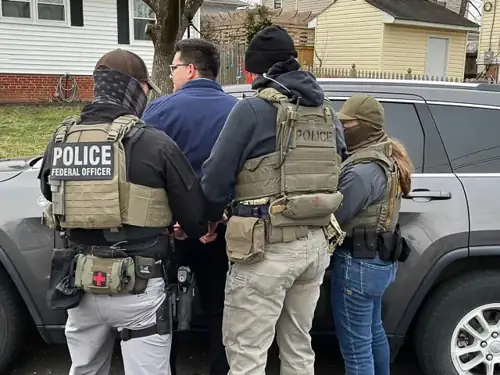
The goal, as the document frames it, is to extend the scope of ICE surveillance. Which is a very clinical way of saying: the federal government wants local cops to become nodes in a national immigration dragnet, equipped with technology that can identify a face in a crowd and run it against federal databases in seconds.
This is the architecture of a surveillance state, built piece by piece, quietly, while everyone's distracted by whatever's happening on social media today.
Why Local Police + Facial Recognition Is a Nightmare Combination
Here's what we already know about facial recognition before you add DHS's ambitions to the mix. The technology has a well-documented accuracy problem, and it is not an equal-opportunity problem. Studies have repeatedly shown that facial recognition systems misidentify Black and brown faces at significantly higher rates than white faces. You are handing a biased tool to agencies that already have well-documented bias problems and telling them to use it for immigration enforcement.
Local police departments vary wildly in their training, their oversight, their accountability structures, and frankly their competence. Some departments are professional and well-run. Others are underfunded, undertrained, and have histories of civil rights violations that stretch back decades. DHS's plan does not appear to make meaningful distinctions between these departments before handing them powerful federal surveillance technology.
And once this technology is out there, in hundreds of local departments, the idea that it will only ever be used for the narrow purpose DHS describes right now is, to put it generously, optimistic. Tools like this expand. Mission creep is not a possibility, it is a historical certainty.
The Quiet Expansion of the ICE Surveillance Web
This plan doesn't exist in a vacuum. The Trump administration has been methodically working to expand the reach of immigration enforcement since returning to office, pushing local and state agencies to cooperate with ICE in ways that go well beyond what many jurisdictions previously agreed to do. Facial recognition technology is the logical next step in that project.
Think about what this actually enables. Right now, if ICE wants to surveil someone in a city with a police department that hasn't signed on to federal cooperation agreements, there are limits to what they can do directly. If local cops in that same city are running facial recognition software tied to federal databases, those limits start to dissolve. The geography of enforcement changes. The walls get thinner.
NPR's reporting on this document is an early look at something that could reshape the relationship between local policing and federal immigration enforcement in ways that will be very hard to undo once they're baked in.
The Legal and Civil Liberties Questions Nobody in DHS Seems to Be Asking
Civil liberties organizations have been sounding alarms about facial recognition in law enforcement for years. The ACLU and others have documented cases where the technology led to wrongful arrests, including cases where innocent people spent time in jail because an algorithm decided their face matched someone in a database. Adding ICE to that equation means the stakes are deportation, family separation, and the destruction of lives that took years to build in this country.
There is also the question of consent. Many cities and states have passed laws restricting or outright banning the use of facial recognition by local police because their residents demanded it. San Francisco banned it. Boston banned it. A federal program that hands the technology directly to police departments could effectively bulldoze those local decisions, overriding what communities chose through their own democratic processes.
Where is the congressional oversight here? Where are the hearings? A document describing a plan to build a federally equipped facial recognition network across local law enforcement is exactly the kind of thing that should trigger immediate, serious scrutiny from lawmakers. Whether it gets that scrutiny is a different question entirely.
The Dingo Take
Let's be direct about what is being described here. The federal government wants to give local police departments technology that can identify human faces, connected to federal immigration databases, specifically to help ICE find and detain people. That is the plan, as NPR reports it, sitting in a DHS document. It is not a rumor or a worst-case reading of vague policy language. It is written down.
The thing about surveillance infrastructure is that nobody ever builds it for the worst-case scenario. They always build it for the reasonable-sounding current use. And then administrations change, definitions expand, and suddenly the system built to do one thing is doing twelve things, and dismantling it requires fighting entrenched bureaucracies, vendor contracts, and the institutional inertia of agencies that have spent years building something and very much do not want to stop using it.
This is how it starts. A document. A plan. A handoff of technology from the federal government to local agencies that may have little oversight, less accountability, and a shiny new tool they're going to want to use. The faces in those databases won't all be who DHS claims they're looking for. They never are. And the people who pay the price for that are never the ones who drew up the plan.



Comments