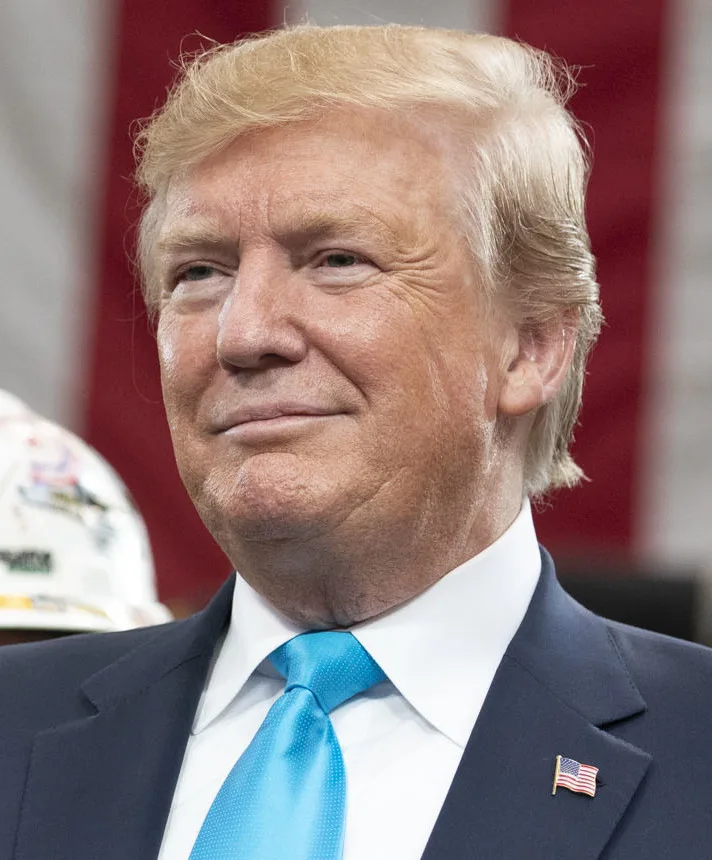
Donald Trump launched an illegal war against Iran demanding unconditional surrender, the total eradication of its ballistic missile program, regime change, and the demilitarization of every proxy it had ever breathed on. What he got, according to the memorandum of understanding he signed Wednesday in Versailles, is considerably less than that. Considerably, embarrassingly, tragically less.
What He Wanted vs. What He Got
Let's be precise about this, because precision is the only thing that captures how bad it is. Before a single bomb dropped, Trump announced he would accept nothing short of unconditional surrender. That was the bar he set publicly, in front of cameras, with the full confidence of a man who had never personally experienced consequences.
The deal he signed Wednesday, as the Guardian's editorial board lays out, pledges an end to the US blockade, the unfreezing of Iranian assets, and the lifting of all sanctions. Iran gets to export oil before the nuclear dispute is even resolved. The ballistic missile program? Still there. Regime change? The regime is still there, albeit more militarized and, by analyst accounts, arguably more hardline than when this whole catastrophe began. The proxies? The deal covers Lebanon, but Israeli withdrawal isn't stipulated, and three people were killed there within hours of the signing.
So to recap: thousands of lives spent, billions of dollars burned, and the US ended up with less than was reportedly on offer before the first bomb fell. That's not a negotiating win. That's a negotiating autopsy.
The Versailles Venue Was Not an Accident, But It Was Definitely a Choice
Someone in the Trump administration looked at a list of possible signing locations and said, yes, Versailles, the site of the treaty that ended one catastrophic war so badly it helped start another one. As the Guardian dryly notes, perhaps not "the best augury of lasting diplomatic achievement."
But symbolism aside, the substance is what should keep people up at night. Trump himself reportedly told the press that continuing the war might have led to "worldwide depression." Cool. Great. So he started an illegal war that, by his own admission, risked global economic collapse, and now he wants credit for stopping it before the collapse happened. The bar for presidential achievement has genuinely never been lower.
His stated concern, the Guardian points out, was for the impact on his voters' wallets. Not for the civilians whose infrastructure was destroyed. Not for the people in the countries that would have starved when global supply chains seized up. For the midterms. He stopped a potentially civilization-destabilizing war because of the midterms.
The Schoolchildren of Minab
This is the part where the dark comedy stops being funny. A US airstrike killed schoolchildren in the Iranian city of Minab. The Guardian mentions it plainly, with the grim weight it deserves: "No amount of denial can bring the schoolchildren killed by a US strike in Minab back from the dead."
Trump had claimed concern for Iranian civilians before the war. He said it out loud. He then prosecuted a campaign that the Guardian describes as having killed large numbers of those civilians, destroyed essential infrastructure, and intensified political repression inside Iran. The supreme leader is dead. Key military figures are dead. The economy is wrecked. And the kids in Minab are dead.
What did Iran get in return for all of that suffering? A leadership that is now, by most serious analyst accounts, more militarized and potentially more interested in pursuing nuclear weapons than it was before, because nothing teaches a country that nuclear weapons are the only real security guarantee like watching a superpower bomb you while simultaneously claiming it's for your own good.
The Hawks Are Already Sharpening Their Knives
Mike Pence, who has the geopolitical worldview of a man who's only ever read the Book of Revelation and a Tom Clancy novel, called the deal appeasement. Republican hawks are furious. Netanyahu, who the Guardian reports is under intense domestic political pressure of his own, would "love to wreck the deal." And Trump, even as he signed the thing, made sure to threaten that he'd "go right back to dropping bombs" if he felt like it.
The US has attacked Iran twice while in negotiations with it. Twice. So the threat isn't idle, and the assurance isn't worth much. The question of whether Trump will actually keep Netanyahu in check going forward is, according to the Guardian, very much open. That's not a small question. That's the entire ballgame.
The deal also punts the hard stuff. Negotiations on Obama's original aid-for-denuclearization framework took 20 months of grinding, painstaking work. This deal announces a final agreement within 60 days, possibly with an extension. Announcing a deal to reach a deal is not the same thing as a deal. Postponing the difficult issues, as the Guardian puts it, is becoming the defining hallmark of Trumpian diplomacy. He does the ribbon-cutting. Someone else has to build the bridge.
The Hormuz 'Victory' and What It Actually Means
Trump's people will tell you the signal achievement here is the reopening of the Strait of Hormuz, which carries roughly 20 percent of the world's traded oil. They will say this with straight faces. The Strait was only closed because of the war Trump started. He closed it, and now he opened it, and he wants a parade.
It gets worse. The Guardian reports that the possibility of Iran imposing transit fees on ships passing through Hormuz in the future appears to be left open in the agreement. So the US went to war, destabilized a region, killed civilians, spent billions, and may have created the conditions under which Iran extracts a financial toll from global shipping for years to come. The lawyers who wrote this deal must be the same people who negotiate airline baggage fees.
The Dingo Take
Here's the honest version of what happened. A president who wanted to look tough before an election let himself get dragged into a war by a foreign leader with his own political survival on the line. That president set maximal, public demands for what he would accept, got less than what was available before a single person died, and is now signing documents in a French palace while framing the whole catastrophe as a win. The people who will never get to frame anything as anything are the schoolchildren from Minab.
The Guardian is right that the choice now is binary: take the imperfect deal or return to a futile, bloody, economically catastrophic war. That's a real choice and the deal is the obviously correct answer. But accepting that the deal is necessary doesn't require pretending it represents anything other than a colossal, avoidable failure. Thousands of people are dead who would have been alive if the war never started. The regime is still there, now more hardline. The nuclear question is unresolved. Iran might charge tolls on the strait. And Trump is already threatening to bomb them again if he doesn't like how the next 60 days go.
Making this stick will require, as the Guardian puts it, pressure, verification, and accountability. None of those things are notable strengths of an administration that bombed a country twice while negotiating with it and then signed the ceasefire in the same venue that produced one of history's most catastrophically failed peace agreements. Watch this space. Keep watching it. Don't look away.




Comments