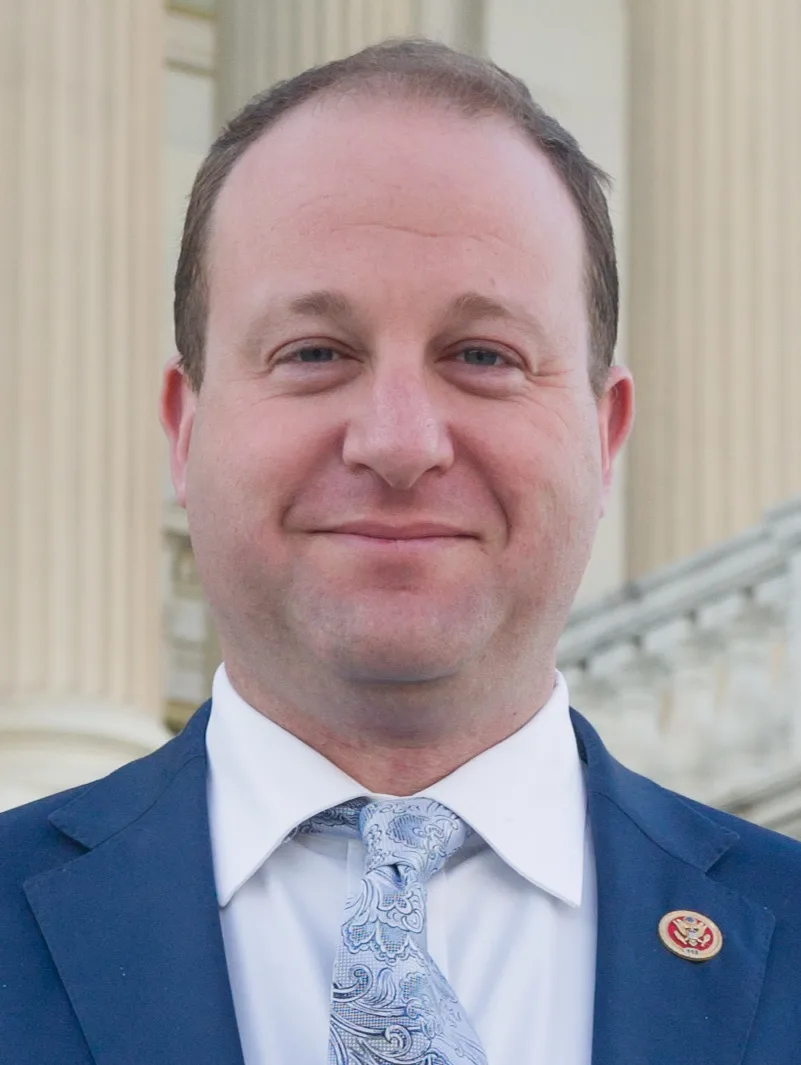
Colorado Governor Jared Polis, a Democrat, commuted the prison sentence of election denier Tina Peters after pressure from Donald Trump. His own clemency board had voted unanimously to reject her application. Twice. So when two board members told the public that part, Polis fired them.
What Actually Happened Here
Let's walk through the sequence slowly, because it deserves that. The New York Times reports that Polis's clemency board voted unanimously to deny Tina Peters a shortened sentence not once but twice. Peters, for those who need a refresher, is the former Mesa County clerk who was convicted of tampering with election equipment in a scheme rooted in Trump's 2020 stolen-election fantasy.
In May, Polis commuted her sentence anyway. His own board, which he appointed, told him no. He did it anyway. The Times reports this came after pressure from President Trump, which is a sentence that should require a lot more explanation from a Democratic governor than Polis has offered.
When board members Hannah Seigel Proff and Azra Taslimi decided the public deserved to know the board had been overruled, they went public. On Wednesday, they both received letters from Polis informing them they were fired for violating the board's confidentiality standards.
The Confidentiality Argument Is Doing a Lot of Work
Polis's termination letters, which the fired board members shared with the Times, accuse Proff and Taslimi of breaching a required duty of confidentiality by publicly divulging how board members voted. That's his whole argument. They broke the rules by telling people what happened.
Here is what is technically true: the clemency board normally operates in secret. Recommendations are not disclosed. That process exists for understandable reasons in ordinary circumstances. Nobody is pretending the confidentiality rule doesn't exist.
But Proff and Taslimi were not leaking routine deliberations. They were telling the public that a Democratic governor, under pressure from a Republican president, had freed a convicted election saboteur against the unanimous advice of his own board. That is not gossip. That is accountability information. There is a difference, and Polis is betting you won't notice it.
The Trump Pressure Nobody Is Explaining
The Times reporting mentions, somewhat casually, that Polis commuted Peters's sentence after pressure from President Trump. Read that again. A Democratic governor freed a MAGA election denier because the MAGA president leaned on him.
Polis has not offered a detailed public accounting of what that pressure looked like, what was said, or what he got in return. That is the central question of this entire story, and firing two board members for telling the truth does not make it go away. It makes it bigger.
Colorado Democrats have been watching this unfold with visible discomfort. Polis built a national profile as a sensible, business-friendly liberal. Folding to Trump on behalf of someone convicted of undermining election integrity is not exactly the brand. And then firing the people who reported the fold is a whole separate problem on top of it.
Who Is Tina Peters, and Why Does This Matter
Peters was convicted in 2024 on multiple counts related to a scheme to copy and leak confidential data from Mesa County's election systems. The operation was tied to efforts to prove Trump's false claims that the 2020 election had been stolen. A Colorado jury found her guilty. A judge sentenced her to prison.
She became a hero to election deniers across the country. Trump and his allies championed her as a political prisoner, which is the standard reframing for anyone convicted of crimes committed in Trump's name. Getting a Democratic governor to commute her sentence was a significant win for that movement, and they know it.
The precedent here is genuinely alarming. If a Democratic governor in a blue state can be pressured into releasing a convicted election saboteur over the objections of his own board, then the question becomes: what exactly is the point of having a clemency board? What is the point of having a conviction?
The Dingo Take
Let's be honest about what Jared Polis did here, because he is a Democrat and that actually makes this worse in some ways, not better. He appointed a board. The board did its job. The board said no, unanimously, twice. He overruled it because Donald Trump apparently asked him to. Then, when two of his own appointees refused to pretend none of that happened, he fired them for talking. That is not governance. That is a cover-up with extra steps.
The confidentiality argument is the part that should make everyone's eyes cross. Yes, clemency boards operate in private. That process exists so that people applying for clemency are not publicly humiliated if they are denied. It does not exist so governors can capitulate to presidential pressure without public scrutiny and then punish the witnesses. Proff and Taslimi did not leak this because they were disgruntled. They leaked it because a governor was using procedural secrecy as a shield for a decision that the public had every right to know about.
Polis reportedly has presidential ambitions. He wants to be seen as the reasonable, functional Democrat who can win places others can't. Here is the thing about that: you do not get to build a reputation as a competent, principled alternative to MAGA chaos while simultaneously bending the knee to Trump and then firing the people who noticed. This story is not going to stay in Colorado. It should not.




Comments