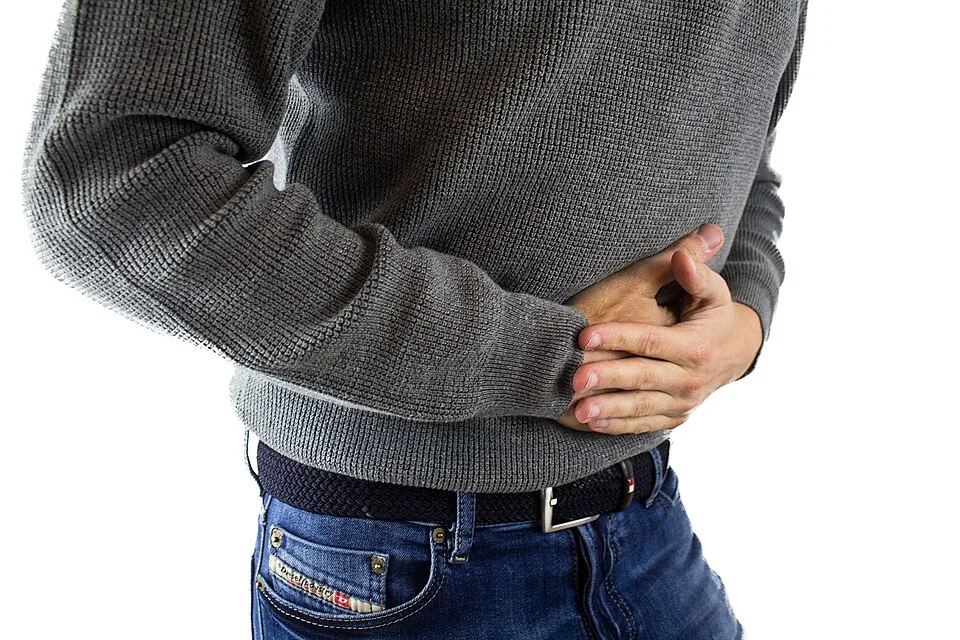
More than 400 Americans are currently experiencing what the CDC clinically describes as 'watery diarrhea with frequent and sometimes explosive bowel movements,' caused by a feces-borne parasite spreading across 18 states. The US Centers for Disease Control is working with the FDA to find the source. They don't have one yet. Enjoy your salad.
What Is This Thing and How Did It Get in My Food
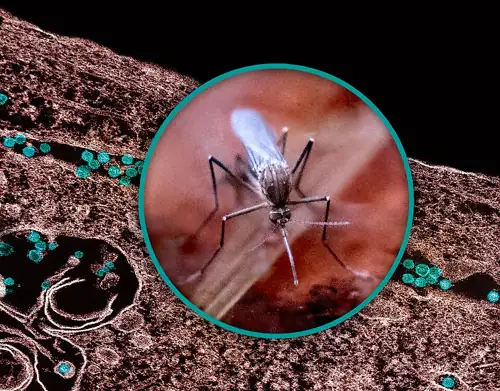
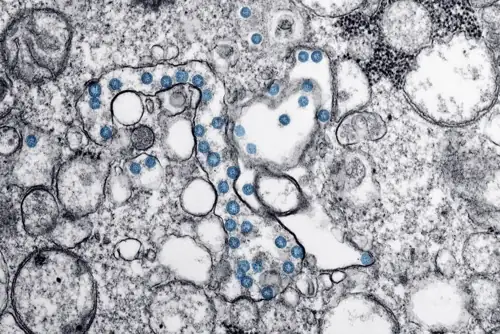
The parasite is called cyclospora, and it causes an intestinal illness called cyclosporiasis. It spreads through raw produce and water contaminated with human feces, which is already the worst sentence you'll read today. Symptoms include cramps, nausea, fatigue, loss of appetite, low-grade fever, vomiting, and yes, the explosive diarrhea that the CDC specifically called out by name in its official guidance.
According to the Guardian, there were 145 cases reported across 17 states between May 1 and June 16, with 20 of those resulting in hospitalization. No deaths have been reported. The illness is not usually life-threatening, which is the kind of reassurance that lands differently when you're on your fourth bathroom trip before noon.
It can take anywhere from two days to two weeks to develop symptoms after ingesting the parasite, and not everyone who ingests it gets sick. So if you ate a gas station salad two weeks ago and you're feeling fine, you probably dodged it. Probably.
Michigan Is Having a Particularly Bad Time
While the CDC's official count covers cases through mid-June, the situation has kept moving. Michigan health officials have been tracking what they're calling a 'large and growing outbreak,' with more than 300 cases reported since June 22 alone, according to the Guardian. To put that in context, Michigan typically sees about 50 cases of cyclosporiasis in an entire year.
New York, Texas, and Illinois are also among the hardest hit states. New York City specifically saw cases roughly double from January through June compared to the same period last year, the New York Times reports. Other states with confirmed cases include Alaska, Colorado, Connecticut, Florida, Georgia, Louisiana, Massachusetts, New Jersey, North Carolina, Ohio, Pennsylvania, Tennessee, Virginia, and Wisconsin.
That's a lot of states. That's most of the country. That's your aunt's backyard barbecue in six different directions.
Fresh Herbs and Berries Are the Usual Suspects
The CDC says this illness is seasonal, peaking between May and August, when Americans eat more fresh produce. Past outbreaks have been linked to basil, cilantro, spinach, and berries, according to the Guardian. These are the foods people eat specifically because they're trying to be healthy, which is either ironic or karmic depending on your relationship with salads.
Investigators are focusing on people who got sick after eating food in the United States and who hadn't traveled internationally in the two weeks before getting ill. That matters because cyclospora is more common in certain parts of the world, and travel-related cases are typically handled as a separate category. These are domestic cases, which means something in the American food supply chain is almost certainly involved.
The CDC says there's no immediate evidence of a single multi-state outbreak linking all cases together. Instead, they believe there may be multiple separate clusters from multiple different sources. Which means this isn't one bad batch of cilantro. It's potentially several bad batches of several different things.
What the CDC Is Actually Telling You to Do
The official guidance is straightforward: wash all fresh produce thoroughly before eating it, wash your hands, wash your kitchen surfaces. If you develop symptoms, see a healthcare provider. If you test positive, report it to your local health department. Drink plenty of fluids to stay hydrated.
In more severe cases, the infection is treated with antibiotics. Most people with healthy immune systems recover on their own within days or weeks, the CDC says. The parasite is not typically transmitted person to person, so you can't catch it from your coworker. You catch it from your lunch.
The CDC is working with the FDA and local health officials to track down the source or sources. Given that the investigation is ongoing and the outbreak numbers keep climbing, 'wash your produce' is about the best operational advice anyone has right now.
The Part Where We Ask About the Agencies Running This Investigation
Here is something worth keeping in mind as you follow this story. The CDC and FDA are the agencies responsible for tracking down the source of this outbreak and getting answers to the public fast. These are also the agencies that have spent the last year and a half being gutted, reorganized, and staffed with people chosen more for their loyalty to Robert F. Kennedy Jr.'s worldview than for their experience in public health.
The CDC lost hundreds of experienced staff through layoffs and buyouts. The FDA has had its food safety division specifically targeted for cuts. Whether those structural changes affect the speed or quality of this particular investigation remains to be seen. But when the answer to 'where is this feces-borne parasite coming from' is still 'we don't know' while 400+ people are sick across 18 states, it's a fair question to ask what capacity we actually have left to answer it.
The Dingo Take
Four hundred people sick with explosive diarrhea across 18 states, and the investigators can't yet tell you where it's coming from or what specific food to stop eating. That's the situation. The CDC is doing what it's supposed to do: coordinating with the FDA, working with local officials, trying to find the common thread. We should let them work.
But let's not pretend the context doesn't matter here. We are in the middle of a public health investigation involving fresh produce and the American food supply, being conducted by agencies that have been systematically defunded and depopulated over the past 18 months. The people with the institutional knowledge to run these investigations fast didn't just retire. A lot of them were shown the door. The expertise to trace an outbreak back through a supply chain is not something you rebuild overnight.
So wash your cilantro. Seriously, wash everything. And maybe hold onto the number for your doctor, because the safety net designed to catch this stuff before it hits 18 states has been getting quietly dismantled while everyone was busy watching other fires burn.



Comments