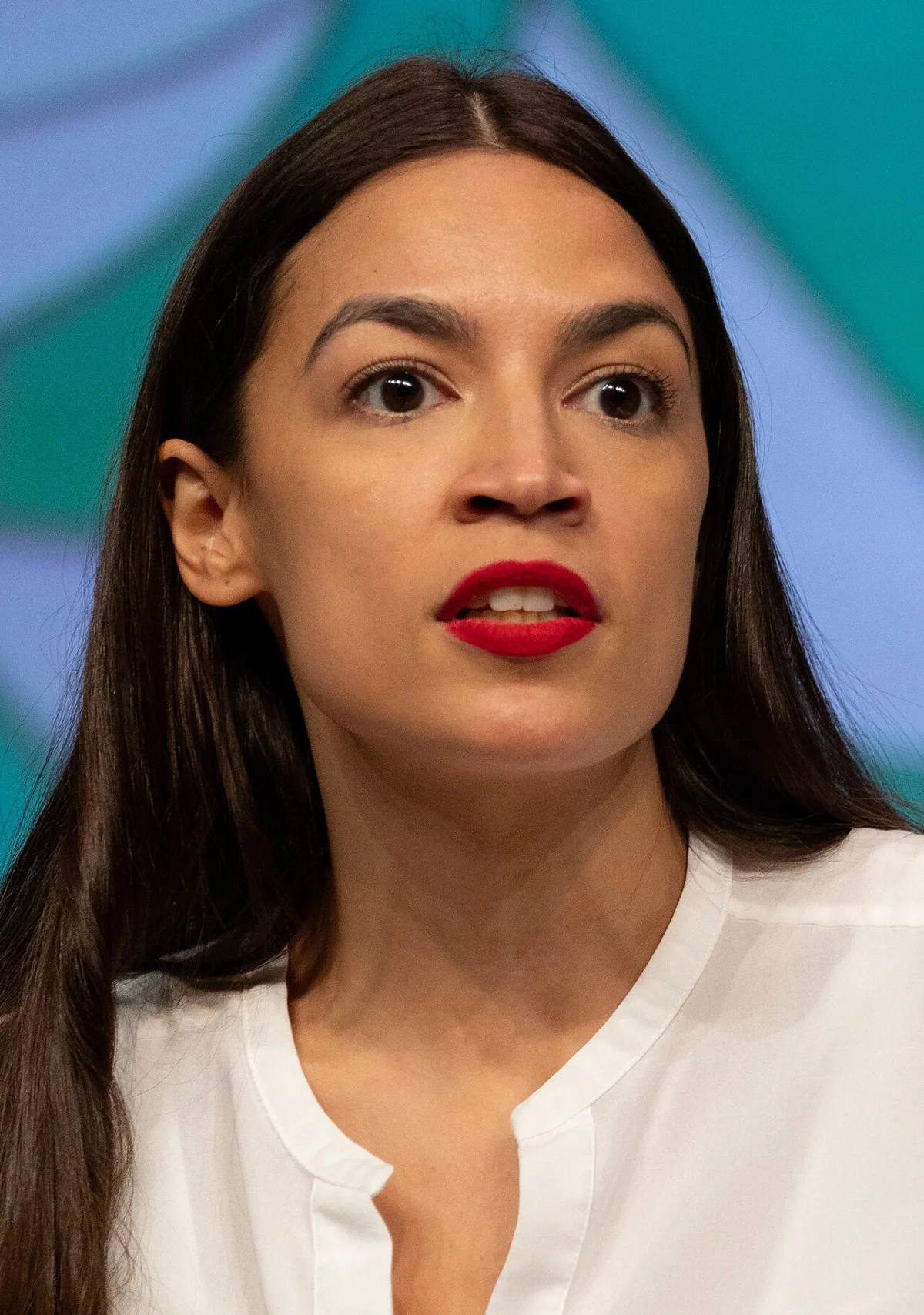
The Democratic Socialists of America would be 'very thrilled' if Alexandria Ocasio-Cortez ran for president in 2028, according to DSA New York City co-Chair Gustavo Gordillo. He said this, mind you, the same week his organization's candidates knocked off two more Democratic incumbents in back-to-back primaries. The progressive left is not waiting around for an invitation.
What Gordillo Actually Said
Gordillo made his comments Thursday on MS NOW, after host Antonia Hylton asked whether the DSA had started thinking about the 2028 presidential race. His answer was careful but not exactly ambiguous. 'I think that we will be trying to influence the next presidential primary,' he said. 'And it's still too soon to say how... to say who.'
Then he said the quiet part out loud. 'I think that many in the organization would be very thrilled if Alexandria Ocasio-Cortez ended up running, but ultimately that's her decision, and we'll be in conversation.' The New York Post reported the exchange.
AOC herself, when Fox News Digital asked her last month whether she'd run, delivered what is genuinely one of the better non-answers in recent political memory: 'Could I be president? Could I not be president? Maybe, maybe not.' Which is either Zen wisdom or masterful trolling, and honestly, both work.
The Primary Wave That's Making This Conversation Real
Here is why the DSA's 2028 speculation is more than idle chatter: their candidates are winning. On Tuesday, Democratic Rep. Diana DeGette, a 30-year incumbent first elected to Congress in 1996, lost her Colorado primary to Melat Kiros, a 29-year-old first-time candidate and former attorney backed by the DSA. The New York Post reports the result as a 'stunning victory,' which is one of those times the cliche is actually accurate.
That wasn't even the first shock of this primary season. A week earlier, Darializa Avila Chevalier, a 32-year-old progressive community organizer, knocked out Rep. Adriano Espaillat, who happened to be chair of the Congressional Hispanic Caucus. In that same cycle, DSA-aligned Claire Valdez won a congressional primary to succeed the retiring Rep. Nydia Velázquez. Three primaries. Three DSA wins or near-wins. Three veteran Democrats shown the door.
This is what a political movement in real momentum looks like. The DSA isn't just winning arguments on Twitter. They're winning the actual elections.
AOC's Role in All of This
Ocasio-Cortez has been openly supportive of these candidates, even when that support came with some political awkwardness. Chevalier, for instance, previously called the United States 'a f—ing disgrace,' which is the kind of quote that tends to follow a candidate around. AOC backed her anyway.
When MS NOW's Jen Psaki asked Ocasio-Cortez about the controversy surrounding these candidates last week, AOC's response was pointed. 'I actually think the more important advice that I would give would be to my incumbent colleagues,' she said. 'Which is: you will create a self-fulfilling prophecy by deciding who these young women are before you've met them.' That is a pretty clean shot at the Democratic establishment, delivered with the practiced ease of someone who has been fighting it for years.
She's been doing this long enough that the freshman-outsider framing no longer really applies. AOC is now the veteran progressive whose endorsement moves races. That's a different kind of power, and it's the kind that scales to a presidential primary.
What a 2028 Run Would Actually Mean
The DSA flagging its enthusiasm for an AOC presidential campaign is not nothing. It signals that the organized left is thinking about what comes after 2026 midterms, and they're thinking about it while their candidates are still warm from their primary victories. The timing is deliberate.
AOC would turn 39 in 2028, which clears the constitutional bar and, more importantly, would make her younger than most of the people currently running anything in Washington. She would enter a 2028 primary as arguably the most recognizable progressive politician in the country, with a donor base that has consistently broken fundraising records and a following that makes other Democrats jealous and terrified in roughly equal measure.
Whether she actually runs is, as Gordillo noted, her decision. But the infrastructure that would support such a run is clearly starting to think about it. In politics, that's usually how it starts.
The Dingo Take
The Democratic Party establishment has a pattern. It watches progressive insurgents win primary after primary, calls each one an anomaly, and then acts surprised when the anomalies start adding up. Diana DeGette served thirty years in Congress. Adriano Espaillat was chairing the Congressional Hispanic Caucus. These weren't fringe incumbents with scandal problems. They were the definition of entrenched Democratic power, and they lost to first-time candidates in their thirties backed by an organization that the centrist wing of the party spent years dismissing as irrelevant.
The DSA floating AOC for 2028 is a signal worth reading carefully. They're not just celebrating wins. They're building toward something. And AOC's 'maybe, maybe not' answer on a presidential run is exactly the kind of calculated coyness you deploy when you're watching your moment develop and you haven't decided whether it's arrived yet.
The Democratic Party is going to have to reckon with its left flank eventually. The primaries of the last several weeks suggest that reckoning might be arriving on a faster timeline than the consultants and committee chairs would prefer. You can call it a threat to party unity if you want. You can also call it democracy working exactly as advertised.




Comments