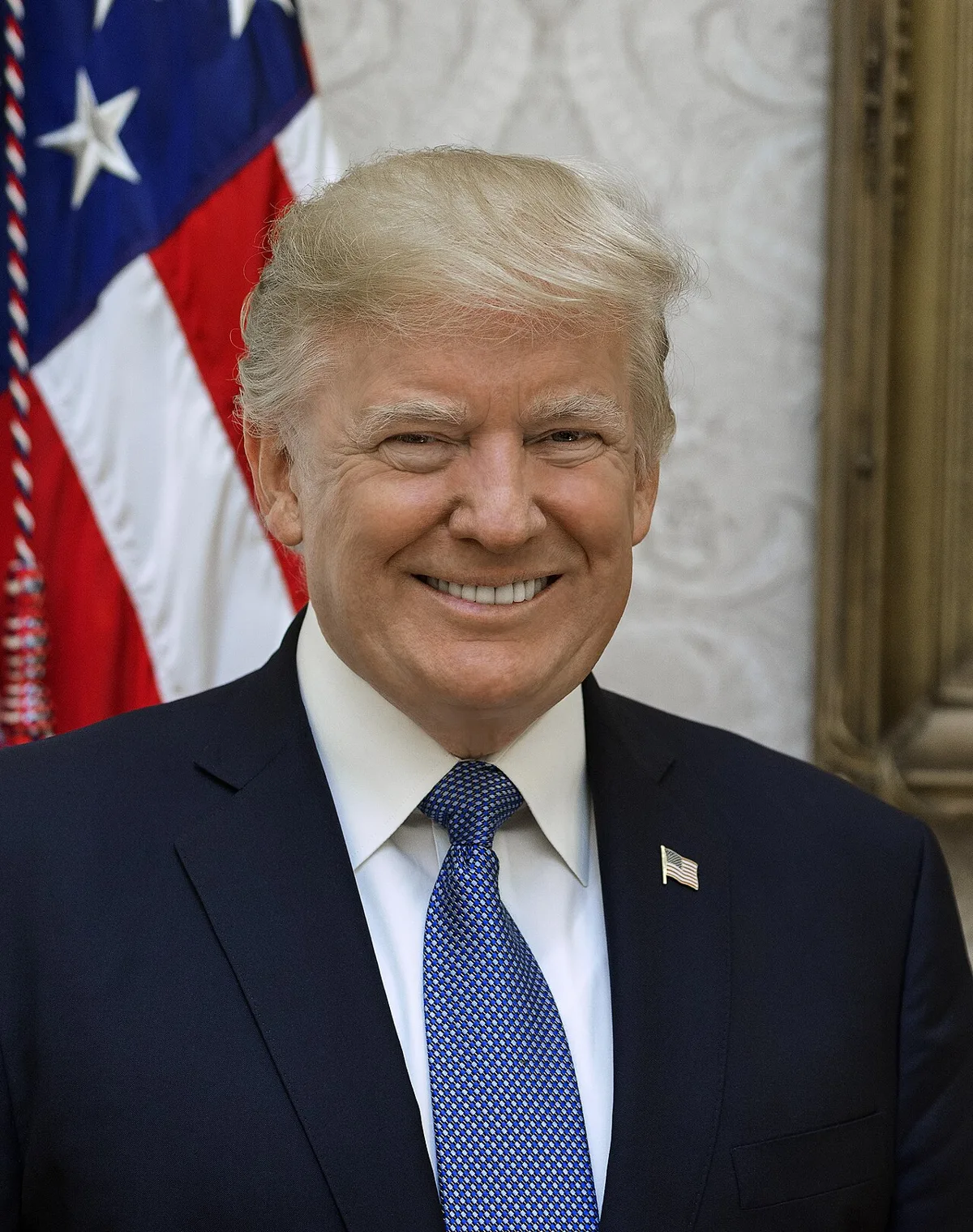
The United States is actively bombing Iran, and the President of the United States is posting memes about it. According to Axios, while fresh American strikes were hitting Iranian targets, Trump's Truth Social profile was operating as a kind of personal highlight reel of the destruction — clips, videos, the whole package. A war. On social media. With branding.
The Gamer-in-Chief Has Logged On
Axios reports that Trump has been sharing what can only be described as video-game-style footage of U.S. military strikes in Iran, Venezuela, and the Caribbean on Truth Social, turning active combat operations into shareable content for his base. Experts quoted in the reporting warn that this kind of presentation actively diminishes the human cost of what is happening. Real people are dying. Trump is posting clips.
This is not a new instinct for him, but the scale of it now is something different. We are talking about an ongoing war — a war, with bombs and casualties and regional destabilization — being packaged and distributed like a greatest-hits compilation. The framing is: look how powerful we are. The subtext is: don't think too hard about what any of this means.
The Off-Ramp He's Desperately Looking For
Here's the thing. Even as Trump plays curator of the destruction on his social media feed, Axios is also reporting that behind the scenes he is scrambling to find an exit from this war. Americans do not support it. That detail should not get buried under the meme analysis.
A president who is publicly reveling in the spectacle of military strikes is privately looking for a way out of the conflict those strikes are part of. Those two things are happening simultaneously. The performative toughness and the quiet panic exist side by side, which is honestly the most Trump dynamic imaginable. Beat the chest loudly. Worry about the bill later.
What an off-ramp even looks like at this point is genuinely unclear. Iran is not going to forget it was bombed because Trump posted a cool video. The region is not going to stabilize because he found an aesthetically pleasing clip to share. The gap between the social media presidency and the actual geopolitical reality it has to reckon with has never been wider.
What 'Shaping How Americans View War' Actually Means
Axios spoke to experts who make a pointed observation: the way a commander-in-chief presents military action online shapes how the public understands and processes that action. When strikes look like drone footage from a Call of Duty campaign, the human toll gets abstracted into something that feels like entertainment rather than violence.
This is not an accident. Clean visuals of precision munitions hitting targets, shared without context or consequence, tell a very specific story. They say: we are winning, it looks cool, there is nothing difficult or morally complicated happening here. That framing serves a political purpose. It's a lot harder to sustain public skepticism about a war when the war is being presented as satisfying and cinematic.
The actual human toll of U.S. strikes on Iran is not something that shows up in Trump's Truth Social feed. The rubble does not get posted. The casualties do not get captioned. The meme version of war is curated by design, and the curator here happens to be the person ordering the strikes.
A War Americans Don't Support, Sold to Americans Who Scroll
Let's be clear about the underlying political problem here, because Axios is. This war does not have broad American support. That is the box Trump is in. He cannot easily escalate his way to popularity on this one, and the meme strategy appears to be at least partly an attempt to manage a public that is not on board with what he has done.
The irony is almost too thick to cut through. Trump built an entire political identity on not getting America into foreign wars. It was the thing he hammered Obama and Hillary Clinton over for years. It was part of the original pitch. And now he is running a multi-front military operation across Iran, Venezuela, and the Caribbean, posting strike footage on a social media platform he owns, while looking for an exit strategy because the public has noticed.
The Dingo Take
There is something genuinely revealing about a president who turns to memes when the war he's conducting becomes politically inconvenient. It's not strategy. It's not communication. It's cope. Posting cool strike footage while quietly asking advisors how to get out of the conflict is the foreign policy equivalent of bragging about a bar tab you cannot pay.
The experts Axios spoke to are right that this kind of social media framing does real damage to how Americans process military violence. But the damage goes in both directions. It desensitizes the public to what war actually is, yes. It also creates a feedback loop where the president himself seems to be consuming his own propaganda, convinced the vibes are good because the clips look impressive, even as the strategic reality underneath is a mess he does not have a plan for.
The scariest version of this story is not that Trump is cynically manipulating public opinion with flashy content. The scariest version is that he genuinely thinks the content is the point. That the footage of the strikes is, in some meaningful sense, what the strikes are for. A war fought to be posted. What a time to be alive.




Comments