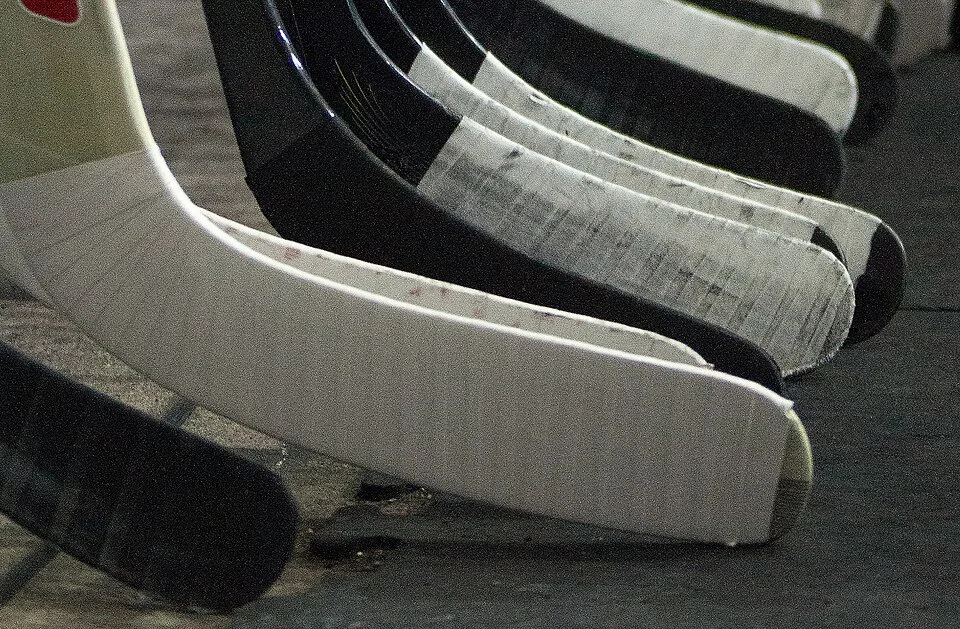
The Trump administration has slapped 50% tariffs on roughly C$20 billion worth of Canadian imports, targeting everything from wine to hockey sticks to cement, and Canada's Prime Minister is responding with the diplomatic equivalent of a slow blink and a very deliberate 'you don't want to find out.' Mark Carney, fresh off a meeting with provincial and territorial leaders, told reporters Thursday that 'everything is on the table depending on the outcome of the negotiations.' That's not a trade policy. That's a threat wrapped in a blazer.
What Trump Actually Did This Time
On Monday, the Trump administration announced new 50% tariffs on approximately C$20 billion of Canadian goods, according to BBC News. The White House framed the move as a response to what it called 'unequal treatment' of American cars, dairy, and alcohol by Canada. Whether you find that reasoning compelling probably depends on how much you've been paying attention to the last eighteen months of tariff theater.
The target list is almost aggressively random. Wine. Hockey sticks. Cement. Consumer goods sitting right next to industrial materials, all getting hit with the same blunt 50% hammer. Some key Canadian exports got a pass though: energy, potash, critical minerals, and fish are all exempt. So Trump is willing to squeeze Canada on hockey sticks but not on the oil heating American homes. Make of that what you will.
The new levies are set to take effect on August 19, giving both sides roughly a month to work something out. A month. To resolve a trade dispute between two of the world's largest trading partners involving a continental free trade agreement that's been deteriorating for years. Sure. That sounds very achievable.
Carney Gathers the Provinces and Chooses His Words Very Carefully
Carney met with his provincial and territorial counterparts Thursday to get everyone on the same page before responding publicly. The meeting apparently produced a lot of solidarity and not a lot of specifics, which is a very Canadian outcome.
He said Canada's options include diversifying trade away from the US and providing support to sectors most exposed to the tariffs, per BBC News. Both sensible. Both things Canada has been saying it would do for the better part of two years. When pressed on whether Canada would hit back with punitive measures of its own, Carney said 'there's a full range of things we can do in that regard' and then declined to say what any of those things are.
To be fair, that's not necessarily a bad play. Carney's background is central banking. The man spent years at the Bank of England not telling markets what he was about to do. Keeping your cards close while the other side fumes is a legitimate negotiating posture. 'We are going to support Canadian workers, families, businesses, full stop,' he said. Short. Clear. Non-negotiable. Points for that, at least.
Some provincial leaders, BBC News reports, have been pushing for faster and firmer action from Ottawa. Which suggests not everyone inside Canada is satisfied with the calibrated non-answer approach. Quebec and Ontario, the provinces with the most to lose in the auto sector, tend to have strong opinions about things like this.
The USMCA Is Basically Dead and Nobody's Really Saying It
Here's the broader context that keeps getting buried. The US chose not to renew the USMCA in its current form earlier this year, according to BBC News. The USMCA, for anyone who needs a refresher, is the trade agreement Trump himself negotiated during his first term to replace NAFTA. He called NAFTA the worst deal in American history, replaced it with the USMCA, and is now blowing that up too. The man contains multitudes.
US Trade Representative Jamieson Greer told lawmakers on Wednesday that he hopes to have interim deals with Canada and Mexico ready before the end of the year. He also acknowledged that tougher issues, specifically automotive rules of origin and labor and environmental standards, could drag into next year. So the optimistic version of this story is: partial deal by Christmas, real deal sometime in 2027, assume chaos in between.
Greer also argued the tariffs are part of a broader strategy to protect American workers and address the trade deficit, which he called a 'national emergency.' The US trade deficit has been a 'national emergency' in conservative rhetoric since roughly 1985. It did not become an emergency because of hockey sticks.
The August 19 Clock Is Already Ticking
Carney described the August 19 deadline as 'both' a pressure tactic from Washington and a genuine opportunity to accelerate talks. Which is a diplomatically gracious way of saying: yes, we're being squeezed, and no, we're not going to admit it out loud.
One month is not a lot of time. The USMCA renegotiation that Greer is supposedly managing involves automotive content rules, dairy market access, labor standards, and about a dozen other issues that trade lawyers have been arguing over for years. Compressing that into thirty days while both sides are publicly threatening each other is the trade negotiation equivalent of defusing a bomb while someone yells at you.
The two sides are negotiating. Talks are described as intensifying. That is the entire update. It is not reassuring.
The Dingo Take
Let's be clear about what's happening here. The Trump administration is using tariffs on wine and hockey sticks as leverage in a fight over cars and dairy, while simultaneously failing to renew a trade deal that Trump himself wrote six years ago. The justification is 'unequal treatment' of American goods, which is doing a lot of heavy lifting given that the USMCA was specifically designed to address those complaints. We are watching the US pick a trade war with the country that supplies a significant chunk of our energy, lumber, and steel, and the stated reason is hockey sticks.
Carney is playing this about as well as anyone could from his position. He's not escalating publicly, he's keeping his response options vague, and he's making sure every provincial premier is in the room so nobody can freelance a unilateral move that blows up the negotiations. The 'everything is on the table' line is a warning, not a policy. He's betting that Greer and the Trump team actually want a deal more than they want a prolonged trade war with their largest trading partner. That might be a reasonable bet. It also might not be.
August 19 is four weeks away. If no deal materializes, 50% tariffs hit C$20 billion of goods and Canada almost certainly retaliates in kind. American consumers pay more for Canadian imports. Canadian workers lose orders. Both economies take damage. And somewhere in Mar-a-Lago, someone will declare it a tremendous victory for American strength. That's the play. That's always the play.



Comments