Two days after the New York Times published a story about security concerns with Trump's Qatar-gifted Air Force One, FBI agents showed up at reporters' homes on a Friday night with grand jury subpoenas. Then the bureau quietly pulled phone records for those reporters' spouses and one reporter's mother without telling the Times, making it nearly impossible for anyone to fight it in court. This is where we are.
Qatar Gave Trump a Plane, the Times Reported on It, and Someone Had a Very Bad Friday Night
Here's the setup. The Times ran a story earlier this month about the Secret Service urging Trump not to fly home from Turkey on his new Air Force One, a lavish jet gifted to him by the Qatari government. Security concerns, apparently. The kind of story that embarrasses a president who has made a whole personality out of having the biggest and fanciest everything.
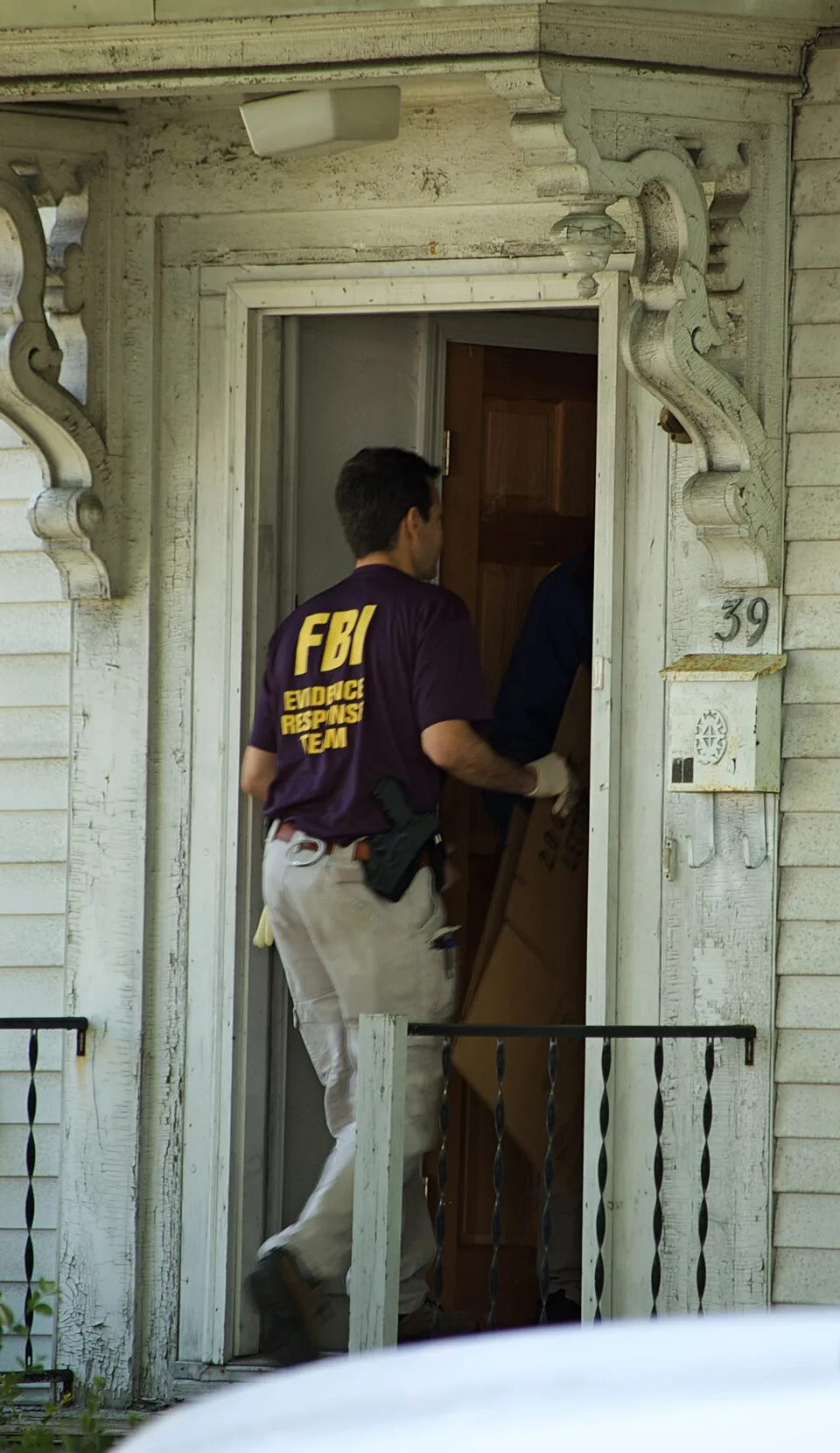
Two days later, on the night of Friday, July 10, FBI agents were at journalists' doors. Not at their offices, where lawyers could intercept them. Not through the normal channels that have been standard practice for years, including under Trump's own former Attorney General Pam Bondi. At their homes. At night. On a Friday. With subpoenas.
Times reporter Julian Barnes was watching a movie with his son and his wife, Katherine Marsh, when agents arrived. According to NPR, Marsh told them the experience was not just disruptive. It was terrifying. "You almost feel like you're being treated as an enemy of the state," she said, "and we're just reporters and reporters' families."
Kash Patel Was Running This From the White House
The Times is arguing in a Manhattan federal courthouse Thursday that the White House is abusing the legal system to fish for its reporters' sources and scare them off covering Trump. Their lawyers, led by David A. O'Neil of Debevoise and Plimpton, wrote in court filings this week that the government's actions "violate the most basic First Amendment protections for newsgathering activity" and represent "the latest salvo in an escalating series of attacks on journalists."
The paper's most damning piece of evidence is its own subsequent reporting: that FBI Director Kash Patel personally oversaw the issuance of these subpoenas while at the White House. Let that sit for a second. The FBI director, a presidential appointee, was yards from the Oval Office, personally orchestrating a subpoena operation against reporters who wrote something that made the president angry. The Times lawyers called the record "replete with glaring indications of bad faith." That is lawyer-speak for "this is obviously a revenge operation and everyone knows it."
For its part, the Justice Department insists it acted properly and is chasing a national security leak, not intimidating the press. U.S. Attorney Jay Clayton, testifying before the Senate last week, said his office had tried to "limit to the greatest extent possible any intrusion into the operation of the free press." Clayton, incidentally, is Trump's nominee to be the next director of national intelligence. So his objectivity on this particular question is doing a lot of heavy lifting.
They Went After the Reporters' Families Too
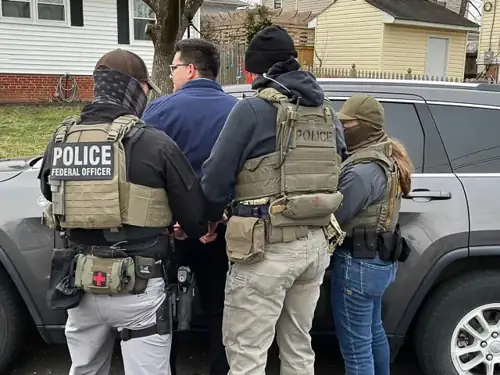
Here is the part that should make your stomach drop. According to recently unsealed documents reported by NPR, the FBI secretly sought phone records from telephone providers for five reporters, the spouses of two of them, and the mother of one. They did this without initially disclosing it to the Times, which meant the paper had no chance to ask a court to stop it before the records were already gone.
Marsh, who is a book author and former reporter, found out her own phone records had been swept up in this. She told NPR what the government would have found: calls about eldercare for her aging parents, calls to her teenagers, calls related to her work as an author. "There's nothing relevant at all to the larger case at hand," she said. "That's why it was very creepy for this to happen."
Marsh wrote a 2023 novel called The Lost Year about Stalin's iron-fisted rule over Ukraine in the 1930s. She told NPR it includes scenes of government agents showing up at doors, press freedom being crushed, and family members getting tainted by association. "To me this felt really un-American," she said. When the person whose phone records the FBI is secretly pulling is a novelist who writes about Soviet totalitarianism and says the situation feels familiar, something has gone very wrong.
The Times Is Fighting, and Thursday's Hearing Is a Big One
The Times is asking U.S. District Court Judge Arun Subramanian to quash the subpoenas at Thursday's hearing. The paper's legal team is arguing the Justice Department violated its own policies requiring that compelling testimony from reporters be a last resort, not a first move. Going straight to reporters' homes on a Friday night, two days after publication, is about as far from "last resort" as you can get.
This is not the first time Trump has gone after the Times. According to NPR, he personally sued the paper last year for $15 billion over its coverage. Publisher A.G. Sulzberger has been vocal about the Times treating press freedom as an active fight, not a background principle. This week's court filing is the paper putting that posture into action with actual legal briefs and a federal judge.
The Dingo Take
Let's be very precise about what happened here, because the details matter. The FBI director personally ran a subpoena operation from inside the White House, targeting reporters who wrote a story that embarrassed the president, and agents showed up at those reporters' houses on a Friday night instead of going through the standard legal channels that exist specifically so news organizations can contest this kind of thing. Then the bureau secretly pulled phone records for the reporters' family members. This is not aggressive law enforcement chasing a genuine national security leak. This is the machinery of the state being used as a cudgel against journalists whose work the president found annoying.
The administration's defense is that it was pursuing a national security breach and followed all appropriate policies. This defense would be more convincing if the FBI director had not personally orchestrated the whole thing from a building that contains the Oval Office, two days after a story ran. The timeline alone guts the "this was careful, policy-driven law enforcement" argument before it even gets started.
What the Trump administration seems not to have fully calculated is that going after the Times this aggressively tends to produce more coverage of the Times being gone after, which is not nothing. Katherine Marsh, a novelist who writes about Stalinist secret police showing up at people's doors in the middle of the night, is now talking to NPR about FBI agents showing up at her door in the middle of the night. If the goal was to make reporters scared enough to stop writing about the Qatar plane, the execution left something to be desired.


Comments