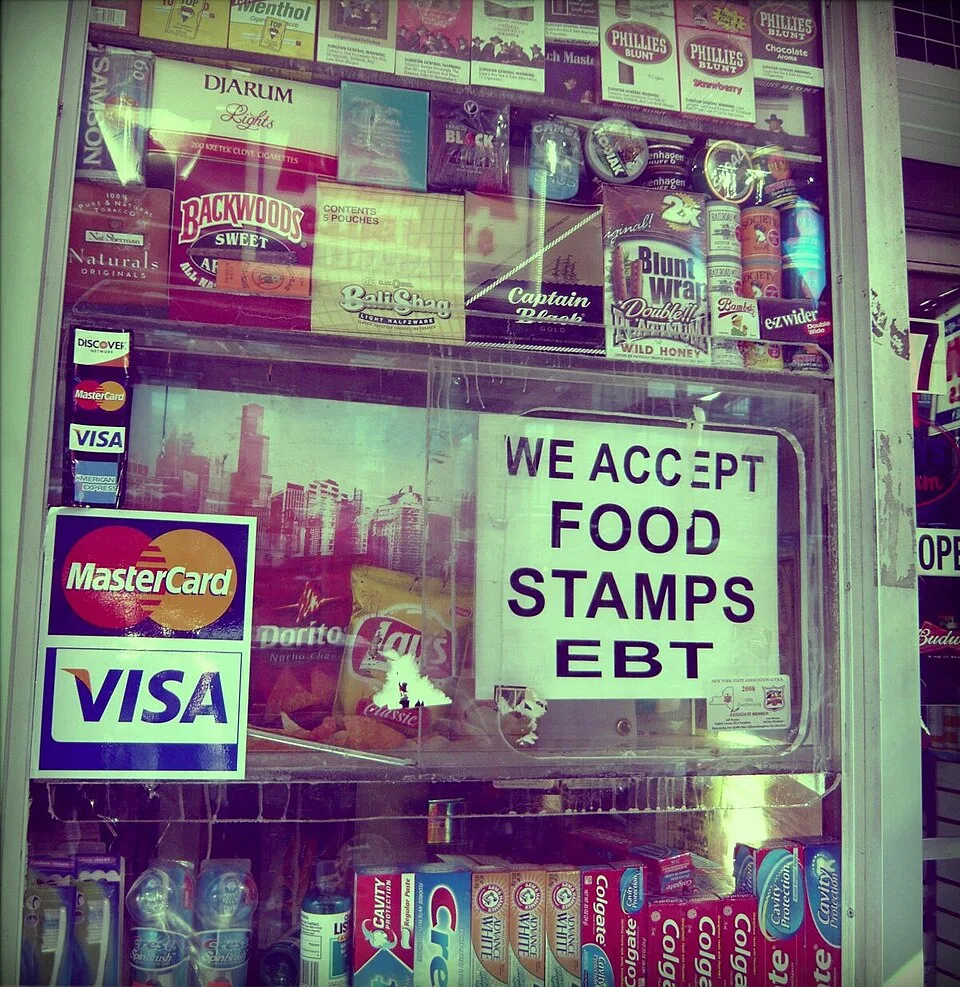
More than one million children across the United States have lost access to food stamps since Congress passed the One Big Beautiful Bill Act last July. That is not a projection or a worst-case scenario. That is what already happened. And according to the Center on Budget and Policy Priorities, it is going to get worse.
Four Million People Gone From the Program in Eight Months
The Center on Budget and Policy Priorities analyzed SNAP enrollment data from July 2025 through March 2026 and found that more than 4 million Americans were removed from the program in that window. Children account for more than one million of those losses, spread across the 19 states the CBPP studied.
Think about what that number actually means. SNAP, which most people still call food stamps, is the country's largest food assistance program. It exists for one reason: to make sure low-income families can afford groceries. One million children are no longer receiving it. Not because they suddenly got rich. Because Congress changed the rules.
The One Big Beautiful Bill Act, which the Republican majority passed in July 2025, tightened eligibility requirements and increased state-level screening burdens. It also shifted a significant portion of SNAP benefit costs onto states based on their payment error rates. The CBPP report says that cost-shift mechanism is a central driver of the collapse in enrollment.
Arizona Cut Its Food Stamp Rolls in Half
Arizona is the national leader in something nobody should want to lead. According to The Guardian's reporting on the CBPP analysis, more than 450,000 Arizonans have been removed from SNAP since the bill passed, cutting the state's overall participation rate in half. In half. That is not a rounding error or a data anomaly. That is a policy outcome.
The law's new screening requirements effectively created a bureaucratic gauntlet that many eligible families cannot clear, either because they lack documentation, lack time, or lack the resources to fight through the paperwork. When you make a program hard enough to access, people stop accessing it. This is not an accident. It is a feature.
Louisiana saw nearly one in four children who were receiving SNAP benefits lose them. Massachusetts and Texas each had close to one-fifth of enrolled children cut from the program. These are not red-state versus blue-state numbers. This is a national story that the One Big Beautiful Bill is writing in the same ink across every region.
Two Hundred Mayors Are Asking the Senate to Fix This
On Monday, the US Conference of Mayors sent a letter to the Senate signed by more than 200 mayors, asking lawmakers to reverse the SNAP cuts. The Conference of Mayors is nonpartisan and represents cities with populations of at least 30,000. So this is not a progressive advocacy group putting out a press release. This is city governments, run by elected officials from across the political spectrum, formally telling the Senate that something has gone badly wrong.
"Hunger is not a partisan issue, and efforts to address food insecurity should rise above political divisions," the letter said. That is a careful, diplomatic way of saying: what you did is hurting our residents, and we need you to stop.
Representative Ilhan Omar introduced an amendment this month aimed at reversing the SNAP cuts and made the case for it on the House floor. The Republican majority voted it down.
The CBPP Warning That Should Be Keeping People Up at Night
The Center on Budget and Policy Priorities did not mince words about where this is headed. "Without immediate congressional action to delay this cost shift for all states, the unfolding emergency will only worsen as more children are cut off from the food assistance their families need to afford nutritious food," the organization said.
Unfolding emergency. That is the phrase a serious policy organization uses when it has run the numbers and does not like what it sees coming. The data through March already shows more than four million people removed from the program. The cost-shift mechanism continues to pressure states. The screening requirements remain in place. Nothing in the law has changed. The losses will keep accumulating.
Congress is not currently moving to fix this. The Republican majority that passed the One Big Beautiful Bill has shown no indication it views the enrollment collapse as a problem to solve rather than a goal achieved.
The Dingo Take
Let's be precise about what happened here. Congress passed a law. That law made it harder for states to administer SNAP and shifted costs onto states in ways designed to push them toward cutting enrollment. More than four million people were subsequently removed from the program, including one million children. The CBPP studied 19 states and found those results. Arizona watched its food stamp rolls get cut in half. One in four Louisiana children on SNAP lost their benefits. This is not bureaucratic drift or unintended consequence. This is the bill working as intended.
The framing that tends to accompany these cuts is something like "reducing dependency" or "ensuring benefits reach those who truly qualify." What that language actually describes, in practice, is a million kids going without the grocery assistance their families qualified for and relied on. There is no version of this story where that outcome is a success unless your goal was specifically to reduce the number of people receiving food assistance regardless of their need.
Two hundred mayors wrote a letter. Ilhan Omar introduced an amendment. The CBPP published an analysis calling it an unfolding emergency. None of it moved the Republican majority. The One Big Beautiful Bill will keep doing what it was built to do, and the enrollment numbers will keep falling, and at some point we should stop calling this a policy disagreement and start calling it what it is: a choice, made deliberately, by people with the power to make different ones.




Comments