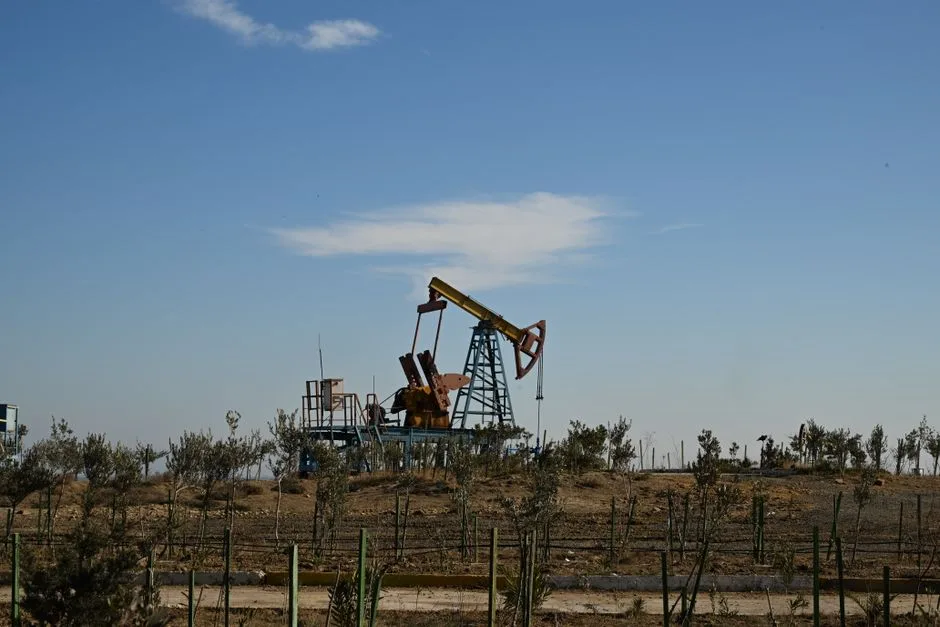
One of the most oil-rich nations on earth is experiencing gasoline shortages. Let that sentence fully load before you keep reading. Iran, sitting on the fourth-largest proven oil reserves in the world, cannot keep its own gas stations full, and the Trump administration is treating this as a bigger win than the bombs.
The War Nobody Is Watching
While television coverage has been dominated by footage of strikes and sortie counts and the kind of military spectacle that cable news was basically built for, a quieter campaign has been running in parallel. According to Axios, senior U.S. officials believe the economic assault on Iran may ultimately do more damage to the regime in Tehran than the bombing campaign itself.
That is a significant thing to say out loud. These are not outside critics or think-tank analysts hedging their bets. These are people inside the administration, and they are telling Axios that the financial squeeze is the real weapon here. The bombs get the ratings. The sanctions are getting results.
What 'Economic Assault' Actually Means on the Ground
Axios reports that U.S. intelligence and open-source media reports both point to a deepening economic crisis inside Iran. Deepening. As in, it was already bad and it has gotten worse. The gasoline shortages are the most vivid symbol of that, because the optics of it are genuinely staggering.
Iran has massive oil reserves. It has been producing and exporting petroleum products for over a century. The fact that ordinary Iranians are now struggling to fill their tanks is not a natural disaster or a logistics hiccup. It is the direct result of a sustained, coordinated effort to strangle the Iranian economy until the government either collapses or capitulates. That is the stated goal. Nobody is pretending otherwise.
What Tehran Actually Wants
Here is the quote that should be getting more attention. A senior administration official told Axios: "The Iranians want to stop being bombed and they want money. But that's almost in reverse order. They really want the money first."
Read that again. The official is saying Iran's leadership would rather have sanctions relief than an end to the airstrikes. Which tells you something about how brutal the economic situation must be inside the country right now. Getting bombed, at least, does not necessarily threaten the regime's ability to function and pay its people and maintain internal control. Running out of money does.
This also tells you something about what the endgame looks like from Washington's perspective. The bombs are leverage. The sanctions are the actual demand. Whatever negotiation eventually happens, the terms are going to be written around economics, not ceasefire lines.
Why This Story Is Getting a Fraction of the Coverage
Economic warfare is hard to film. There is no dramatic footage of a sanctions package. Nobody is tracking the price of Iranian rial on a ticker in the corner of the screen. The infrastructure of how a country slowly suffocates under financial pressure does not fit neatly into a two-minute segment, so it largely does not make it onto television.
But this is not a minor subplot. If the administration's own officials are correct that the economic campaign is more damaging than the military one, then the gasoline lines in Tehran deserve as much attention as the strike footage. The people caught between a government that will not give ground and a superpower determined to make daily life unbearable are real, and the human cost of this kind of pressure campaign falls almost entirely on civilians who have no vote in any of it.
Where This Goes From Here
The Axios reporting frames this as a deliberate sequencing strategy. Trump has layered the economic pressure on top of the military campaign, and the message being sent is not subtle: the strikes can stop, but the money only comes back when Washington decides it comes back.
That framing gives the U.S. enormous leverage in any eventual talks, and it also creates enormous risk. Economic pressure this severe, sustained long enough, can destabilize a government in ways that are not always controllable or predictable. The administration may be betting it can calibrate exactly how much pain it applies. History suggests that is a bet that does not always pay out the way the people making it expect.
The Dingo Take
There is something almost grimly clarifying about a senior U.S. official explaining, on background, that Iran wants money more than it wants the bombing to stop. That is the whole strategy, laid bare. The airstrikes are a headline. The sanctions are a hostage situation. And the hostage is the Iranian economy, which means the hostage is the Iranian people.
None of this means the Iranian government is sympathetic. It is not. The regime in Tehran has spent decades making choices that led directly here, and its treatment of its own population long before American bombs started falling is a matter of documented record. But there is a difference between holding a government accountable and designing a system of pressure that makes ordinary life unlivable for millions of people who have no meaningful way to change their government's behavior. Both things can be true at once, and the coverage that focuses only on the military campaign without examining the economic one is leaving half the story on the table.
The gasoline shortage is the detail that should stick. Not because it is the most devastating thing happening inside Iran right now, but because it is the most legible symbol of how thoroughly the squeeze is working. When a country that floats on oil cannot keep its own pumps running, something has gone very, very wrong, and powerful people made deliberate choices to make it happen. That is worth understanding, even when it is not getting airtime.

Comments