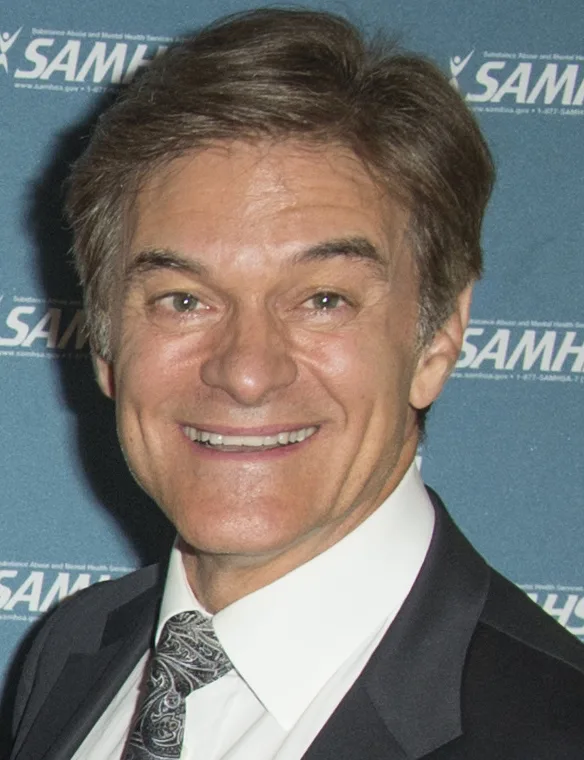
Dr. Mehmet Oz, television's favorite snake oil pitchman turned Medicare czar, just announced on X dot com that he is ending billions in subsidies that kept prescription drug premiums stable for 23 million seniors. The subsidies were supposed to run through 2027. They will not. And the people who will feel it most are the ones who can least afford a surprise.
What Was Actually Cut and Why It Matters
When Congress passed the Inflation Reduction Act in 2022, it capped Medicare patients' out-of-pocket drug spending at $2,000 per year starting in 2025. That was genuinely good news for seniors on expensive medications. But the cap changed how the math worked for insurers, and suddenly those companies were on the hook for a much larger share of the bill.
The problem was that nobody knew exactly how much larger. Insurers didn't have reliable data yet on how seniors would use their newly affordable drugs, which made setting premiums a guessing game. So the Biden administration created a temporary demonstration project, as NPR reports, designed to stabilize premiums while the insurance market adjusted. The subsidies were always meant to be temporary. They were never meant to end in 2026.
According to a Government Accountability Office report published in February, CMS estimated these subsidies would cost $9.8 billion across 2025 and 2026. That's real money. It's also the cost of not blowing up the prescription drug market for roughly 23 million Americans who depend on standalone Medicare Part D plans.
Dr. Oz Announces It on Social Media, Because of Course He Does
Mehmet Oz, who runs the Centers for Medicare and Medicaid Services despite having spent the prior two decades selling miracle weight loss supplements to daytime television audiences, broke the news on X. "The Biden admin gave BILLIONS of taxpayer money DIRECTLY to Big Insurance Companies," he posted. "This is unacceptable."
Leave it to the guy who got rich by pitching products to vulnerable people to suddenly discover his passionate opposition to corporate welfare. The subsidies weren't a giveaway. They were a stabilization mechanism, engineered specifically to protect consumers from a premium spike during a transition period. Killing them early doesn't hurt insurance companies. It hurts the people those subsidies were designed to protect.
Oz also claimed that most people with Medicare will pay less than $10 more in premiums next year. Experts say that number is almost certainly wrong.
The Actual Numbers Are Worse Than Advertised
Here's what the research actually shows. This year, the subsidies reduced the average drug plan premium by $16, according to KFF, the nonpartisan health policy research organization. The average premium for a standalone Part D plan right now is $36 per month. Without the subsidy, that could have been close to $52. That is a nearly 50% increase.
Juliette Cubanski, vice president and director of the Program on Medicare Policy at KFF, told NPR that Oz's $10 estimate is hard to verify and could easily understate the real impact. She says that until CMS releases detailed plan information in the fall, nobody can say for certain how much more seniors will pay. What she can say is that the subsidy cut is real, the premium pressure is real, and the people absorbing it will be those on fixed incomes who already had the fewest options.
This Is Exactly What Project 2025 Wanted
Stacie Dusetzina, a professor of health policy at the Vanderbilt University School of Medicine, points out something that should stop everyone cold. The subsidies were most valuable for people in traditional Medicare's standalone drug plans, not Medicare Advantage. Medicare Advantage plans have more flexibility to keep premiums low regardless of this change. Traditional Medicare plans don't.
So when premiums spike for standalone drug coverage, seniors face a choice: pay more to stay in traditional Medicare, or switch to Medicare Advantage, where premiums might look friendlier but the tradeoffs include narrower provider networks and hospitals that may not accept your coverage. As Dusetzina told NPR, "Project 2025 was pretty blunt about wanting to push more people into Medicare Advantage. One way to really accelerate that is to make it very expensive to stay in traditional Medicare."
The Heritage Foundation's blueprint for the second Trump term said the quiet part loud. This policy is executing that blueprint on schedule, through a mechanism that looks like fiscal responsibility and acts like a cattle prod.
Who Actually Gets Hurt Here
Twenty-three million Americans are enrolled in standalone Medicare Part D drug plans. These are not hedge fund managers. These are mostly older adults on fixed incomes, managing chronic conditions, taking multiple medications, and counting on predictable costs to budget their lives. A $16 premium increase per month is $192 per year. For a retiree living on Social Security, that is a grocery bill.
Dusetzina also makes the point that switching to Medicare Advantage isn't as simple as it sounds. It requires thinking carefully about which doctors and hospitals you might need access to years down the line, anticipating health conditions you don't yet have, and hoping that the plan you choose still covers your preferred providers when you actually need them. That's a complicated ask for anyone. It's especially complicated when you're being pushed toward the decision by a financial squeeze that was engineered by your own government.
The Dingo Take
You are supposed to believe that killing these subsidies a year early is about fiscal responsibility and sticking it to Big Insurance. It is not. Insurance companies will adjust their models and move on. The people who will not move on are the 23 million seniors suddenly facing a 50% jump in their drug coverage premiums, with a fall enrollment deadline approaching and no clear information yet about what their plans will actually cost.
This is not an accident and it is not improvisation. It is Project 2025 in action, wearing the mask of populist outrage about corporate handouts. Push up the cost of traditional Medicare. Make Medicare Advantage look cheaper. Shift millions of seniors into private plans with restricted networks. Then, down the road, have a fully captured regulatory apparatus oversee a market that is now structurally dependent on those private insurers. The Heritage Foundation wrote it down. The Trump administration is doing it. Dr. Oz announced it on social media between posts.
The cruelty here isn't incidental. Ending a stabilization subsidy early, before the market has fully adjusted, before plan sponsors have reliable data, before seniors have any clarity on what they'll owe, is a choice. They made it deliberately and they announced it with the tone of someone who just discovered corruption. The corruption, in this case, is the move itself.



Comments