Sixteen sharks were spotted off Rockaway Beach in a single five-day stretch this July, and the NYPD's response was exactly what you'd expect from a department that owns a drone fleet: they sent the drones. Seven of those sixteen sightings were caught from the air, which is either deeply reassuring or a sign that the ocean has genuinely lost the plot.
The Sky Cops Are Watching the Water Now
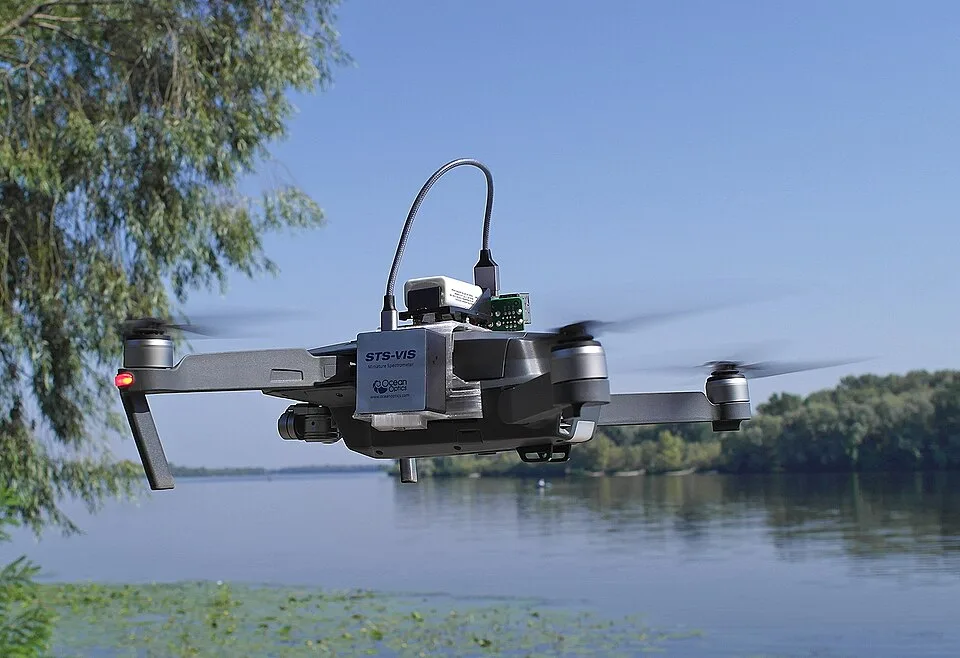
The New York Post reports that the NYPD's Technical Assistance Response Unit, better known as TARU, has been running drone patrols above city beaches all summer. These aren't hobbyist quadcopters. TARU operates high-tech aerial equipment normally used for search-and-rescue missions, crowd monitoring, and pulling distressed swimmers out of trouble. Now they're also doing shark watch.
The setup is actually pretty logical, even if it sounds like a premise from a SyFy original movie. Drone operators work alongside lifeguards, giving them a real-time aerial view of the water. When a shark is spotted, the operator alerts the guards on the ground immediately and swimmers get cleared from the water while the situation is assessed. No fin has to break the surface for someone to notice. The drone sees it first.
Sixteen Sharks in Five Days. Fine. Totally Fine.
According to the New York City Department of Parks and Recreation, sixteen sharks were spotted off Rockaway Beach between July 1 and July 5 alone. ABC 7 reported that seven of those sightings came directly from NYPD drone operators scanning the water from above. The other nine were presumably spotted the old-fashioned way, which is a thought we're going to set aside for now.
Shark sightings are up across the Northeast coastline this summer, not just in New York. The reasons are the usual combination of warming ocean temperatures, shifting prey populations, and the fact that more people are paying attention and reporting what they see. It's not necessarily that there are dramatically more sharks. It's that we're getting a lot better at noticing them.
How Dangerous Are We Actually Talking?
Here's some context worth holding onto. According to the Florida Museum of Natural History, fewer than a dozen and a half unprovoked shark bites were recorded in New York waters across more than 150 years before 2022. That's not a typo. Twelve bites over a century and a half. The ocean has not suddenly become a death trap.
What has happened in recent years is a temporary spike in non-fatal encounters along Long Island and New York City waters, which sounds scary until you look at the actual numbers. Nobody is getting eaten. What's happening is more frequent close-contact incidents, fins spotted near swimmers, that sort of thing. The drones exist precisely to catch these moments early, before anything escalates beyond a very unpleasant afternoon at the beach.
What TARU Actually Does Up There
The NYPD's TARU unit did not exist to look for sharks. That's worth saying clearly. It's a specialized technology unit that handles some of the department's most complex operational scenarios, including active rescues, large-scale event monitoring, and emergency response coordination. Shark patrol is a new addition to a very long job description.
The New York Post notes that TARU drone operators serve as a precautionary aerial line of defense, which is a phrase that a police department public affairs officer definitely wrote, but the underlying reality is straightforward. Lifeguards on the sand cannot see as much as a drone flying fifty feet over the surf. The aerial view catches what ground-level observation misses. In a summer where sixteen sharks materialized off one beach in less than a week, having those extra eyes in the sky is not a luxury. It's the difference between an orderly water clearing and a very chaotic one.
The Dingo Take
You are supposed to find this alarming. Sixteen sharks. Five days. One beach. Cops flying drones over the ocean. That is objectively a lot of inputs for a summer Friday. And yet somehow the actual takeaway is reassuring: the system is working, nobody has been seriously hurt, and the NYPD has found a use for its drone fleet that almost everyone can get behind.
The shark numbers aren't the real story here. The real story is that a major American city has quietly built enough aerial surveillance infrastructure that it can now run continuous wildlife monitoring over public beaches as a secondary function of an existing counter-terrorism and emergency response unit. TARU was not designed to spot great whites. It was designed for much more fraught scenarios. The fact that it's also good at finding sharks off Rockaway is a side effect of having very powerful tools pointed at very crowded public spaces.
That's not a conspiracy. It's just something to keep in mind the next time someone talks about surveillance technology in cities like it only cuts one way. The drone that saved your swim on a Tuesday in July is the same drone that's always up there. The sharks just gave it better press.




Comments