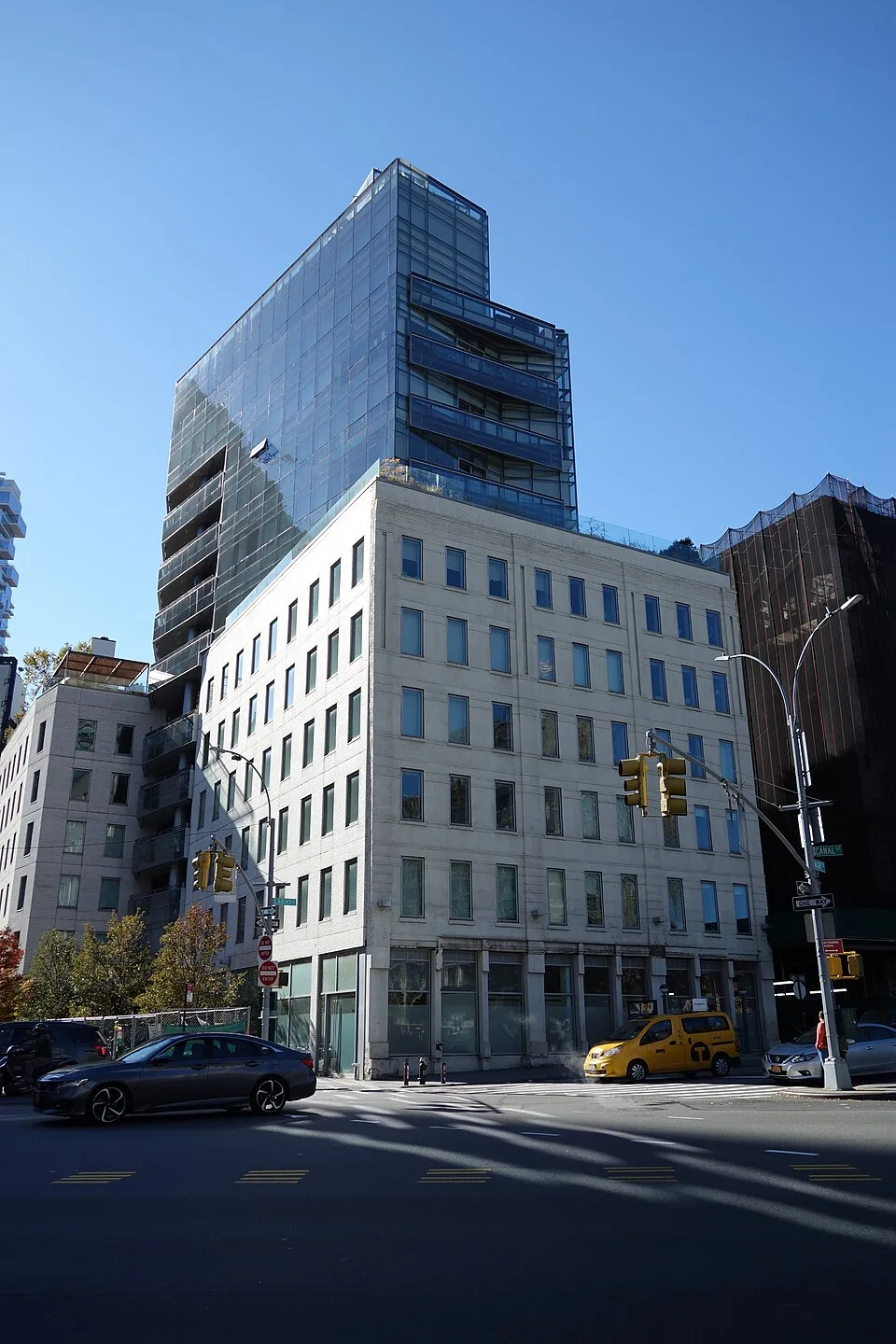
Nicholas Brooks drowned his girlfriend in a luxury hotel bathtub, left the room, and went out for drinks. He was back at Soho House by 5:30 in the morning, apparently surprised to find it had become a crime scene. A leaking ceiling one floor below is what unraveled the whole thing.
Who Was Sylvie Cachay
Sylvie Cachay came to New York to build something. According to CBS News, she launched a swimwear line called Syla in 2006 to widespread praise, and was grinding toward the kind of fashion career that takes years of relentless work to pull off. She had an apartment in the West Village. She had momentum. She had a future.
Then, in the summer of 2010, she met Nicholas Brooks at a party. He was 24. She was older, more established, and by most accounts far more together than he was. It was the kind of pairing that looks like a bad idea in hindsight, which is the worst kind of hindsight there is.
Nick Brooks, Who Had Not Accomplished Much
Nicholas Brooks grew up wealthy in New York City. His father, Joseph Brooks, was an Oscar-winning composer best known for writing the 1977 Debby Boone hit 'You Light Up My Life.' That catalog funded a trust fund for Nick, which was fortunate, because CBS News reports that Nick had dropped out of college and had difficulty holding a job.
The Brooks family name carried its own separate darkness. In 2009, Joseph Brooks was arrested on more than 100 counts of sexual misconduct, including rape. He was 71 years old at the time of his arrest. Nick's inheritance came from a man whose story did not end well either.
By the time Nick met Sylvie, he was a 24-year-old with family money, no discernible career, and apparently a habit of taking things that weren't his. Sylvie's brother told CBS News that Sylvie had noticed excessive, unexplained withdrawals from her bank account and suspected Nick was the reason. The day before she died, she sent him an email accusing him of stealing from her and threatening to call the police.
The Night of December 8th
Despite the theft accusation and the threat of police involvement, Sylvie and Nick spent the evening of December 8, 2010, together at her West Village apartment. What happened next is, to put it charitably, strange.
According to Nick's own account to authorities, as CBS News reports, a fire broke out in the apartment while he was showering. Sylvie's bed caught fire while she was sleeping in it. Nick said he woke her up and put out the fire himself. They then decided, together, to go spend the night at a hotel. The fire has always been one of the more difficult parts of Nick's story to take at face value, and the jury ultimately agreed.
At 12:31 a.m. on December 9th, security cameras caught the couple checking into Soho House. A hotel employee named Kristen Stephens helped Sylvie up to Room 20 because, Nick told staff, Sylvie had taken medication earlier and needed assistance. Stephens told CBS News's '48 Hours' that Sylvie seemed intent on going to sleep. Stephens left her on the bed and went back to work.
The Timeline That Broke the Case
What cracked this case open was not a confession, not a witness, and not a dramatic courtroom moment. It was a water leak.
CBS News reports that security camera footage tracked Nick coming in and out of Room 20 repeatedly through the night. At 2:11 a.m., guests in the room directly below Room 20 reported water leaking through their ceiling. At 2:18 a.m., Nick left Room 20 for the last time, went downstairs, ran into a Soho House member named David Raleigh in the lobby, and the two of them went out for drinks. Not to report anything. Not to get help. Out for drinks.
At 2:51 a.m., after a second complaint about the leak, hotel staff traced it to Room 20, knocked, got no answer, and went in. Sylvie Cachay was found submerged in the overflowing bathtub, fully clothed in underwear and a turtleneck, the water running at full blast. She was pronounced dead at 3:33 a.m.
Nick Brooks strolled back into Soho House at 5:30 that morning and appeared to find a cordoned-off crime scene waiting for him. He was taken in for questioning and subsequently arrested.
The Verdict
The trial was lengthy. On July 11, 2013, the jury found Nicholas Brooks guilty of second-degree murder in the death of Sylvie Cachay. The judge gave him the maximum: 25 years to life.
The prosecution's case leaned heavily on that window between 2:11 a.m., when the water leak was first reported and Nick was still in the room, and 2:18 a.m., when he walked out. Seven minutes. That's the gap the jury decided was enough. He drowned her, turned on the tap, walked out, and went to a bar. The ceiling below did the rest of the work for investigators.
Sylvie Cachay was 33 years old.
The Dingo Take
A woman accused her boyfriend of stealing from her bank account and threatened to call the police on him. Twenty-four hours later she was dead, and he was out having drinks. You are supposed to look at that sequence of events and see anything other than motive, means, and opportunity assembled in a straight line. Somehow Nick Brooks apparently expected you would.
The trust fund kid narrative almost writes itself, and it would be too easy to just leave it there. But what is actually enraging about this case is how ordinary the predation was. He didn't have a plan sophisticated enough to outwit anyone. He had a bathtub and a full tap and the confidence of someone who had never faced a serious consequence in his life. The leaking ceiling one floor down is the only reason this didn't get written off as an accident or a tragedy.
Sylvie Cachay built something from scratch in one of the hardest cities in the world to build anything. She had a brand. She had dogs she loved. She had a future mapped out. What she didn't have was enough time to follow through on that email to the police. That detail does not get easier to sit with.





Comments