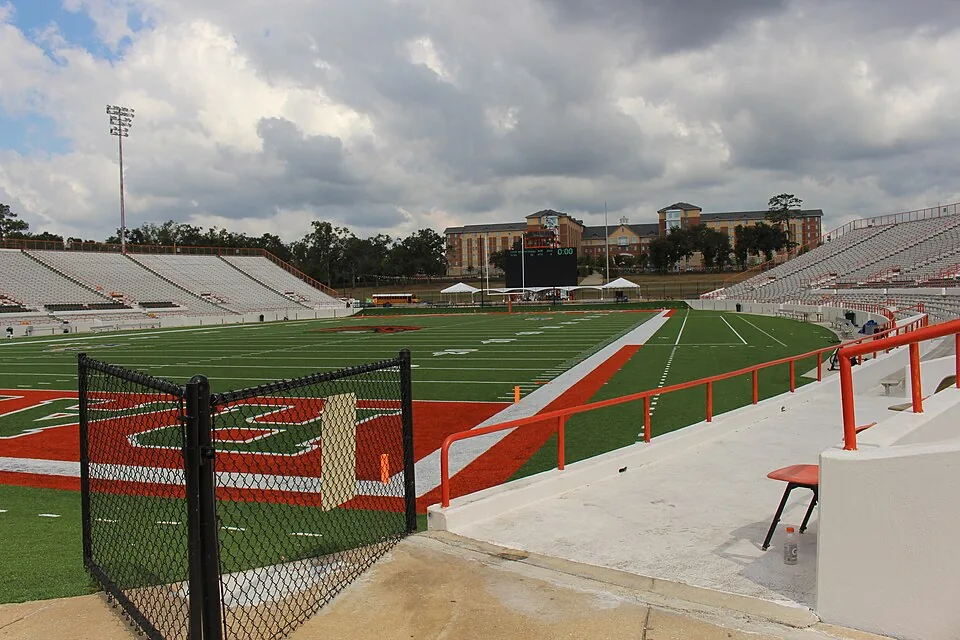
A homecoming game at Florida A&M University ended with 12 people wounded by gunfire on a Tallahassee street, and the person police have charged with it is 15 years old. He's facing 11 counts of attempted second-degree murder and a gun possession charge that specifically applies to someone already in the juvenile system. That is a lot of American problems packed into one Saturday night.
What Police Say Happened
The Tallahassee Police Department said the shooting broke out around 8 p.m. Saturday near Perry and Manatee streets, close to Bragg Memorial Stadium, where homecoming festivities included a football game. Twelve people were injured, and some of them were minors. A thirteenth person hurt an ankle running from the gunfire, which police counted separately from the gunshot victims.
Detectives arrested a 15-year-old male on Sunday, less than a day after the shooting. Police announced the arrest Monday. He's charged with 11 counts of attempted second-degree murder and possession of a firearm by a delinquent.
A 15-Year-Old With a Gun and a Prior Record
Read that last charge again. "Possession of a firearm by a delinquent" is the charge for someone who has already been adjudicated delinquent, meaning the system had already put a mark on this kid and he still ended up holding a gun at a crowded homecoming weekend.
Police haven't said how a 15-year-old got a firearm, and they haven't said what his prior record involves. Those are the two questions that matter most, because they're the ones that point at a fixable failure instead of a single bad night. Somebody sold, gave, left out, or lost that gun. Somebody is also responsible for what happened in the gap between the first time this teenager got in trouble and Saturday night.
A Dispute Between People Who Knew Each Other
According to police, preliminary findings show a physical altercation happened before the shots were fired. The department says the incident stemmed from a dispute between individuals known to one another. They also said none of the victims appear to have been the intended targets.
Sit with that for a second. Twelve people were hit, and by police's account they weren't who the shooter was after. That's what happens when somebody settles a personal beef with a firearm in the middle of a crowd. The bullets don't check who they're meant for, and neither does anyone who thinks a fistfight is a reason to pull a gun on a street full of homecoming guests.
The University's Careful Wording
Florida A&M put out a statement on X asking its campus community to stay away from the area. It described the shooting as taking place "near campus," and said campus itself remained safe. Its statement added that its hearts were with everyone affected by "tonight's incident on Perry Street."
To be fair, telling students where not to walk during an active emergency is exactly what a university should do. And the geography is real: the shooting was close to the stadium, not inside it. But there's a particular genre of institutional language where a catastrophe becomes an "incident" and the location gets nudged just far enough away to protect the brand. A dozen people were shot a short distance from a homecoming game. The distance is a detail. It is not the headline.
What Comes Next
Police Chief Lawrence Revell said the arrest "marks a significant step forward" but that the department's work is "far from over." He promised to hold those responsible accountable and get answers for every affected family. Tallahassee police also said additional arrests are possible as the investigation continues.
That last part matters. A fight involving multiple people, a shooting involving at least one gun, and a charging document naming one 15-year-old suggests the full story may not be told yet. We don't know who else was involved in the altercation, whether anyone else fired, or whether anyone helped the suspect get the weapon. Revell's statement quoted a night that "should have been a weekend of celebration." Nobody in that crowd signed up to be part of a ballistics investigation.
The Dingo Take
Picture a different Saturday night. A Friday-night high school game in a wealthy suburb, a fight breaks out near the parking lot, and a kid with a record pulls a handgun and wounds twelve people, including children. The national conversation would last for weeks. There would be town halls, primetime specials, and a legislative session derailed by the debate. When it happens near a historically Black university's homecoming, the story gets a news cycle, a police press conference, and the word "incident."
The uncomfortable truth is that this keeps happening because we've decided it's survivable. Twelve people shot at a homecoming weekend is a story we've learned to read, shrug at, and scroll past. A 15-year-old with a prior delinquency finding had a firearm. Florida, a state that has spent years loosening its gun laws and tightening its rhetoric about law and order, now gets to explain how a kid already known to the juvenile system ended up armed in a crowd.
The arrest is good. Charging him is right. But arrests are what we do after the shooting, and we are astonishingly consistent about doing nothing before it. Twelve families got a phone call on a night that was supposed to be a party. The rest of us should be furious that we already know how the next one will go.



Comments