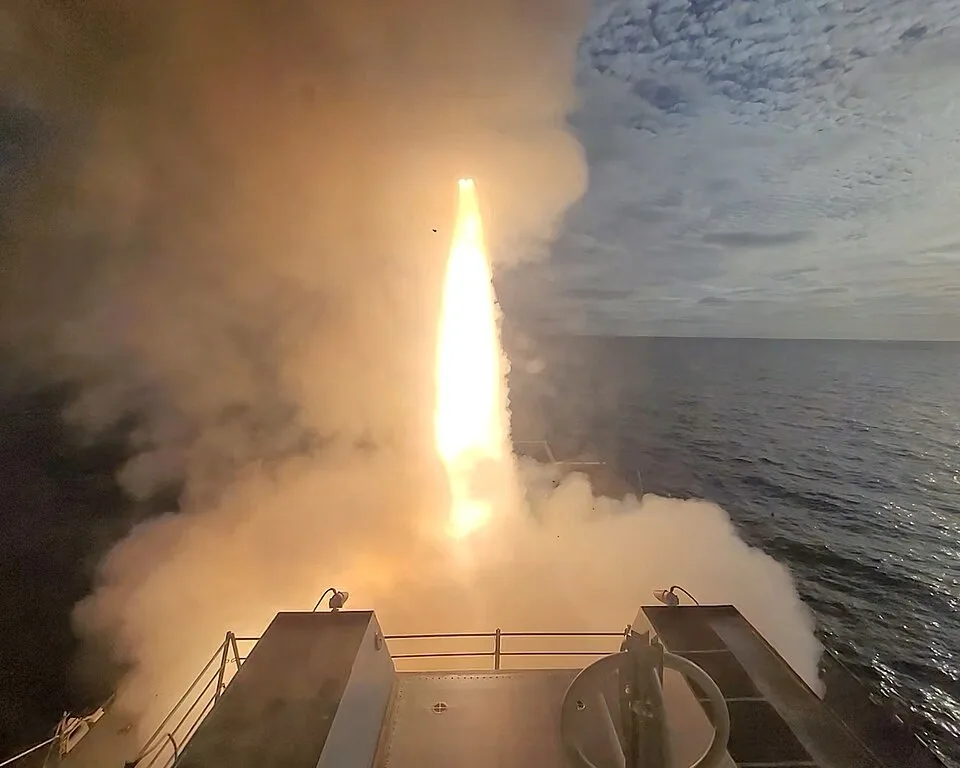
The United States is currently at war with Iran and has burned through most of its long-range precision missiles doing it. NPR has confirmed that PrSMs and ATCAMs, the weapons that let American forces hit targets from hundreds of miles away without putting pilots in the crosshairs, are nearly gone. And replacing them takes years.
We're Almost Out of the Good Stuff
A U.S. official speaking anonymously to NPR confirmed what nobody in the Pentagon apparently wanted to say out loud: the Army's stockpile of precision long-range attack missiles is nearly depleted after months of combat with Iran. These aren't just cool military hardware. PrSMs and ATCAMs are the weapons that let American forces project power without sending pilots close enough to get shot down. Burn through them, and the calculus of every future engagement gets grimmer and more expensive in human terms.
Senior military officials are insisting, for now, that the U.S. has enough offensive weapons to meet its immediate needs. That's the kind of carefully worded reassurance that should make you slightly more nervous, not less. "Immediate needs" is doing a lot of heavy lifting in that sentence.
The Patriot Problem Is Even Worse
The precision missile shortage is bad. The Patriot interceptor situation is potentially catastrophic. According to a report from the Center for Strategic and International Studies, the U.S. stockpile of Patriot missiles, its primary tool for shooting down drones and incoming missiles across the Middle East, has shrunk by two-thirds since this war began. Two-thirds. These are $4 million-a-pop defensive weapons, and they are nearly gone.
Replenishing Patriots isn't a matter of ramping up a factory shift. These systems take years to produce at scale. Which means the hole we are currently digging is one that will take most of a decade to climb out of, assuming nothing else goes sideways in the world between now and then.
And here's the international dimension that makes this worse: Ukraine is right now in urgent need of fresh Patriot supplies to defend itself against Russia. The war in Iran isn't just draining American arsenals. It's leaving allies exposed in conflicts that were already underfunded and undersupplied.
Michigan Democrats Can't Stop Fighting Each Other
While the military situation quietly deteriorates, Democrats are busy holding a Senate primary so bitter that some voters are already pledging to sit out November regardless of who wins. In Michigan, progressive Abdul El-Sayed currently holds a narrow lead over moderate Congresswoman Haley Stevens in a race that is still too close to call, according to NPR.
The winner faces Republican Rep. Mike Rogers in what is a genuinely crucial Senate race in a genuinely crucial swing state. Democrats need this seat. They are acting like people who have decided they would rather be right about the internal direction of their party than actually win the thing. NPR's Tamara Keith notes that the mood has shifted hard since 2018, when moderate Democrats were the answer. Now, progressive primary voters are directing a lot of their anger at their own party for losing to Trump, which is a reasonable sentiment delivered in the least strategically useful way possible.
The FDA Is About to Approve a Much Better Flu Shot
On the actual good news front, the FDA is currently deciding whether to approve Moderna's mFlusiva, the first flu vaccine built on mRNA technology. A trial of over 40,000 participants showed it is safe and delivers stronger protection than traditional flu shots, particularly for adults 50 and older. Independent FDA advisers voted unanimously to recommend approval back in June, per NPR's Rob Stein.
Beyond being more effective, mRNA vaccines can be reformulated and manufactured faster than conventional options, which matters enormously when a new flu strain or pandemic emerges. The technology works the same way Moderna's COVID-19 vaccine did: teaching your immune system what to fight before the virus shows up.
Predictably, the approval is running into headwinds from anti-mRNA sentiment that metastasized during the COVID vaccine wars. Misinformation about mRNA safety is now a durable feature of American public health discourse, which means a vaccine that could save thousands of lives every flu season faces a political obstacle course that has nothing to do with the science.
Black Lung Is Back. SNAP Is Gone. The Week Keeps Going.
Two more stories that deserve more attention than they will probably get. Coal workers in central Appalachia, specifically in Kentucky, Virginia and West Virginia, are developing black lung disease at the highest rates recorded in nearly 50 years, according to the National Institute for Occupational Safety and Health. The disease had been in decline after Congress imposed strict dust exposure limits, but those gains have been reversed. Experts blame toxic silica dust now more common in modern mines. These are people who went underground to do brutal, dangerous work and are now dying of a preventable disease at rates we haven't seen since before most of them were born.
And then there's SNAP. The Supplemental Nutrition Assistance Program, which is food stamps, is about to undergo a funding restructuring in October that will shift significant costs onto states, likely causing some to scale back or exit the program entirely. But the damage isn't waiting for October. NPR reports that more than 4 million Americans, many of them children, have already lost food benefits since the Trump administration's One Big Beautiful Bill became law. As of April, 37 million Americans were using food stamps each month, an 11% drop since last July. Adults must now work or volunteer 80 hours a month to qualify, a requirement that now applies to veterans, homeless people, young adults aging out of foster care, parents of teenagers, and people aged 55 to 64. According to Starsky Wilson of the Children's Defense Fund, food banks and other programs simply cannot absorb the gap this is creating.
The Dingo Take
You are supposed to believe all of this is going fine. The war is going fine. The stockpiles are fine. The "immediate needs" are met. Just don't ask about the years it will take to rearm, or what happens if a second crisis breaks out before we do, or what Ukraine is supposed to do in the meantime while we've burned through the Patriot missiles they need to stay alive.
This is the part where the bill for the last several years of chaotic foreign policy comes due, in hardware. Wars burn through munitions at a pace that peacetime budgets and procurement cycles were never designed to handle. The United States chose to fight this war. Fine. Wars have costs. The cost here is that American military readiness is measurably degraded in ways that will take years to fix, and that degradation doesn't pause while diplomats figure out what comes next.
Meanwhile, back home, 4 million people lost food assistance. Coal miners are dying of a disease we know how to prevent. A better flu vaccine is fighting for approval against a tidal wave of bad-faith misinformation. And Michigan Democrats are threatening to hand a Senate seat to a Republican because their primary got too mean. There is no single thread tying all of this together except this: the country is dealing with serious, compounding problems, and the people in charge of solving them are either creating new ones or actively making existing ones worse.




Comments