A 29-year-old woman who has lived in the United States for 23 years, is pregnant with a high-risk pregnancy, and has no family left in Haiti is currently hiding inside her home, afraid to go to the doctor, because the Trump administration decided this week that Haiti is fine now. She came here at age 6. The baby she's carrying will be an American citizen. She might be deported before it's born.
What Just Happened
The Trump administration officially ended Temporary Protected Status for more than 300,000 Haitian nationals this week, after a prolonged legal fight. TPS is a program designed specifically to protect people from countries experiencing catastrophic violence or instability. The administration's stated reasoning: conditions in Haiti have improved.
They said this while the State Department had a Level 4 travel advisory, the highest possible, telling Americans not to go to Haiti. A new United Nations report found 613 gang-related killings in that country between March and July alone. Basic services have been suspended in neighborhoods across the country due to gang violence. That is the place the Trump administration has declared stable enough to send hundreds of thousands of people back to.
According to CBS News, which obtained federal documents and spoke to two ICE sources, immigration enforcement was already ramping up operations to arrest and deport Haitian migrants right as TPS was expiring. They had the paperwork ready. They were not waiting around.
The Woman in Hiding
CBS News is not naming the 29-year-old woman at the center of this story, for reasons that should be obvious. She is hiding. She has been in the United States since she was 6 years old. She has no family in Haiti. Her partner is a U.S. citizen. The child she is carrying will be born American regardless of where the birth happens.
She lost her job when her TPS expired. Her health insurance is about to run out. Her pregnancy is high-risk and requires weekly medical appointments. She told CBS News she may stop going to those appointments because every trip outside is a risk she might not be able to take.
"I wouldn't have anywhere to go," she said when asked where she would live if deported to Haiti. That is not a political statement. That is a factual one. She has no one there. She left when she was in first grade.
Little Haiti Is Empty
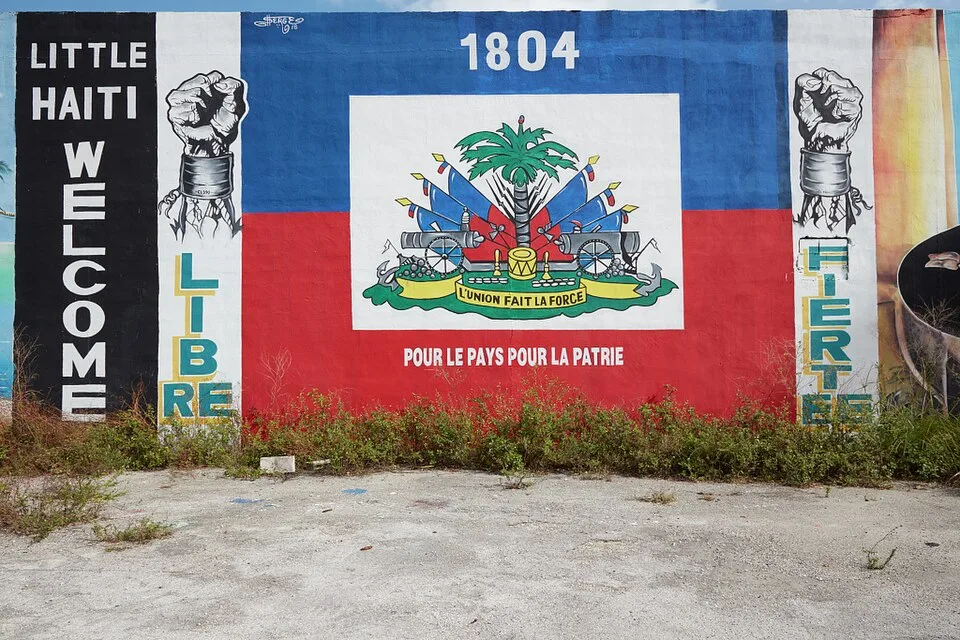
Miami's Little Haiti, one of the largest Haitian communities in the country, has gone quiet. CBS News describes streets that were once bustling as now deserted. People are not going to work. They are not going to the store. They are inside, doing the same math this woman is doing: is this trip worth the risk?
Florida has some of the largest Haitian-American communities in the United States. These are people who have been here for years, in many cases decades, many of them holding jobs, paying taxes, raising children who are American citizens. They built neighborhoods. They filled churches. Now those neighborhoods look abandoned, because for all practical purposes, they are.
The "Improved Conditions" Claim
Let's sit with this for a moment. The official justification for ending TPS is that conditions in Haiti have improved enough that it is safe to return. That is the argument the administration made in court, and won, at least for now.
The State Department issued its Level 4 travel advisory, the same designation used for active war zones, in parallel with that claim. The UN found more than 600 gang killings in five months. The streets of the capital are controlled in large parts by armed gangs. There is no functioning government capable of protecting civilians. These facts are not in dispute. They are in the federal government's own documents. The administration is making two contradictory arguments at the same time and hoping nobody notices the gap between them.
The Legal Status Trap
The woman CBS News spoke to made a point that deserves more attention than it will probably get. She noted that even though TPS has the word "temporary" in its name, anyone who came here to pursue legal status had to go through a temporary process to do it. TPS was that process for her. She was following the rules as they existed.
This is the part that tends to get lost in the broader political noise around immigration enforcement. The argument against undocumented migrants often centers on the idea that people should have come here legally, done it the right way. This woman did do it the legal way. The program she relied on is now gone, retroactively making her presence here unauthorized, through no action of her own. The goalposts were not moved. They were picked up and thrown into the ocean.
The Dingo Take
You are supposed to believe this is about national security. That is what they tell you. The administration wanted to end TPS for Haitians, fought for it in court for months, and the moment they won they had ICE operations ready to go. The target was not dangerous criminals or recent border crossers. The target included a 29-year-old woman who has been here since the first Clinton administration, who is pregnant, who has no one to go back to, and who may stop going to her weekly high-risk prenatal appointments because she is scared of being arrested on the way there. That is who we built this apparatus for.
The cruelty is the part they have stopped trying to hide. The State Department is simultaneously warning American tourists not to travel to Haiti and the administration is arguing Haiti is stable enough to deport pregnant women to. Both things are happening in the same government at the same time. This is not a contradiction they missed. It is a contradiction they do not care about, because the point was never about conditions in Haiti.
Somewhere in Florida right now, a woman is sitting inside her home, calculating whether a doctor's appointment is worth the risk of never coming back. Her baby will be born American. She may be gone before that happens. Whatever your politics, whatever you think about immigration policy in the abstract, that is what this particular policy is doing, right now, in a country that once put "give me your tired, your poor" on a statue and called it an identity.




Comments