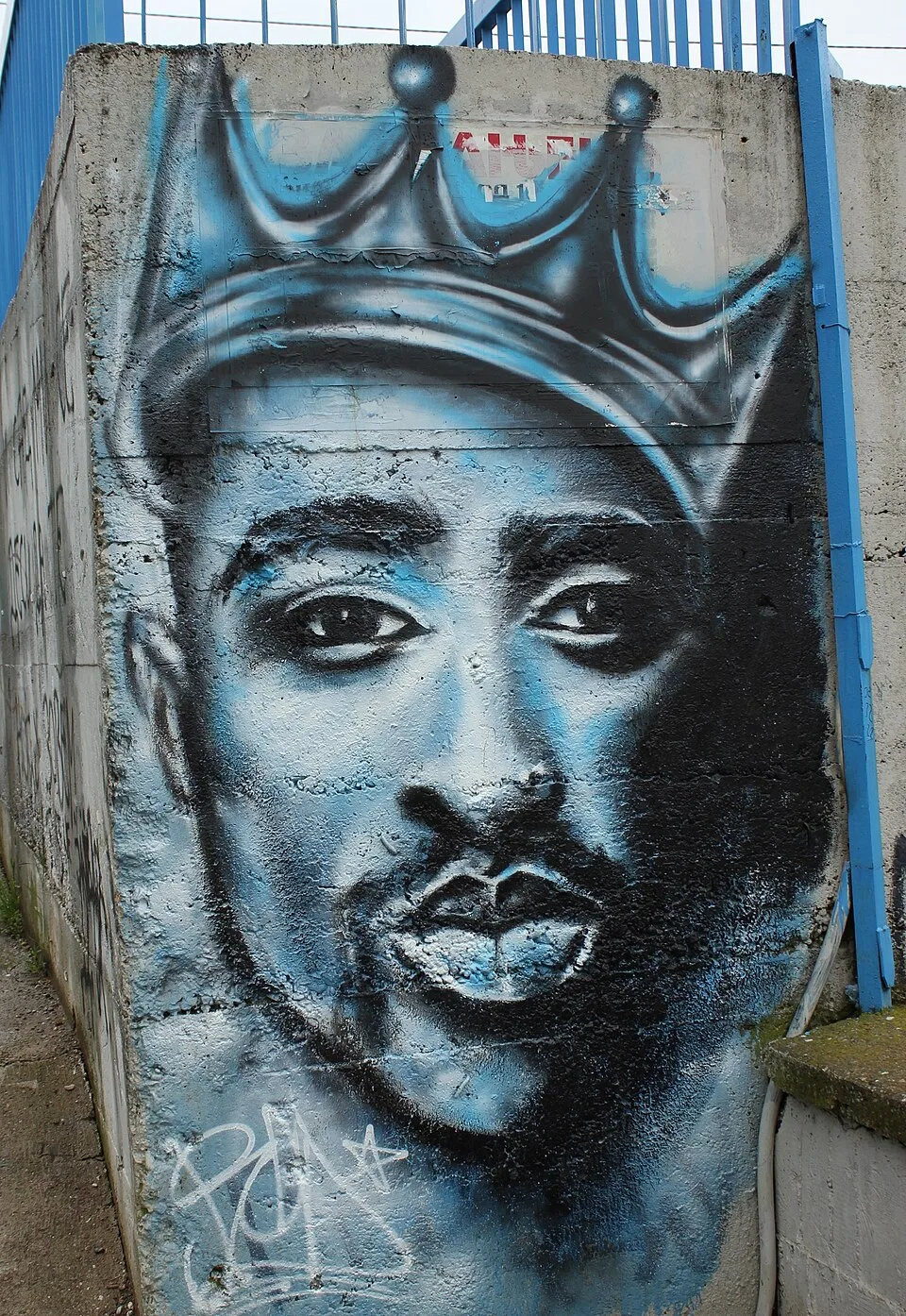
Thirty years. That is how long it took to get someone into a courtroom for the murder of Tupac Shakur. On Monday, the trial of Duane Davis, known as "Keefe D," finally begins in Las Vegas, and the fact that this sentence exists in 2026 is either a triumph of persistence or an indictment of the American justice system, depending on your mood.
Who Is Keefe D and What Exactly Is He Accused Of?
Duane "Keefe D" Davis is not a mysterious figure who slipped through the cracks of a baffled investigation. He wrote a memoir. He gave interviews. For years, Davis publicly discussed his alleged involvement in the events of September 7, 1996, the night Tupac Shakur was shot four times while riding in a BMW on Flamingo Road in Las Vegas. He apparently just figured he'd never get charged.
In 2023, Nevada prosecutors decided to test that assumption. According to NPR, police charged Davis with organizing the murder. Not pulling the trigger, but orchestrating it, which under Nevada law is enough to face first-degree murder charges. The alleged gunman, Davis's nephew Orlando Anderson, died in an unrelated shooting in 1998, which closed one door and, apparently, helped law enforcement refocus their attention on the man who outlived him.
Why Did It Take Until 2023 Just to File Charges?
This is the part where the story gets genuinely uncomfortable. Tupac Shakur was one of the most famous people on earth when he died. The murder happened on a busy Las Vegas street after a Mike Tyson fight. There were witnesses. And yet, for the better part of three decades, no one faced criminal charges.
The Las Vegas Metropolitan Police Department has never offered a fully satisfying explanation for the cold case's longevity, though investigators have cited the lack of witness cooperation typical in gang-related cases. What changed? A mixture of things, reportedly, including Davis' own very public boasting. When a suspect spends years essentially narrating his alleged crime on tape and in print, it tends to eventually create a paper trail that prosecutors can use.
Author Ben Westhoff, who has researched Davis and this case extensively, discussed the trial's opening with NPR this week. The picture that emerges is of a case that technically could have moved faster but didn't, for reasons that have everything to do with resources, priorities, and the particular way American law enforcement decides whose murders get solved.
What the Prosecution Has to Prove
Davis has pleaded not guilty. His defense has argued, among other things, that his past statements were exaggerations, the product of a man playing a role and chasing notoriety rather than confessing to a crime. That is going to be a genuinely difficult argument to make when prosecutors start playing the tapes, but it is not nothing. Self-incriminating bluster is legally distinct from a verified confession, and defense attorneys will lean on that distinction hard.
Prosecutors will need to establish that Davis didn't just know about the murder plot but actively organized it. That is a higher bar than simply placing him at the scene or proving he was aware something was about to happen. The case is built substantially on Davis' own words, which is both its greatest strength and the thing that makes it potentially vulnerable to a skilled defense lawyer arguing context and credibility.
What This Moment Actually Means
Tupac Shakur was 25 years old when he died. He had released four studio albums, two of them while serving time in prison, and had become a cultural force that outlasted him by three decades and counting. His mother, Afeni Shakur, who fought for years to see justice in her son's case, died in 2016 without seeing a single arrest.
For a lot of people, the trial starting Monday is less about legal procedure and more about that basic, stubborn fact. Someone should have answered for this a long time ago. Whether the trial produces a conviction, an acquittal, or something messier, the fact that it is happening at all represents movement in a case that spent most of its life sitting still.
Davis is currently 60 years old. If convicted, he could spend the rest of his life in prison. The trial is expected to draw significant media attention, which is an almost comical understatement for a proceeding that involves one of the most mythologized deaths in the history of American music.
The Dingo Take
The man accused of organizing Tupac Shakur's murder gave interviews about it. He wrote about it. He talked about it on camera. And it still took until 2023 to charge him and until 2026 to put him on trial. Thirty years. If Duane Davis had been a low-income nobody instead of a connected figure in a world law enforcement treated as largely self-cleaning, does anyone seriously believe this drags on for three decades?
There is a version of this story where the delayed trial is a win: cold case finally cracked, justice slowly grinding forward, the system working at its own pace. That version is technically available. But you have to squint hard to get there when the accused spent years essentially auditing his own crime for public consumption while police treated the case as if it were inscribed on a stone tablet nobody could read.
Afeni Shakur died waiting. That is the fact that should hang over every day of this trial. A mother spent the last years of her life watching a case move at the speed of bureaucratic indifference while the man her son's family believes organized his killing lived freely and published a book. Whatever verdict comes out of that Las Vegas courtroom, that part of the story has already been written, and it does not reflect well on anyone with a badge and a filing deadline.




Comments