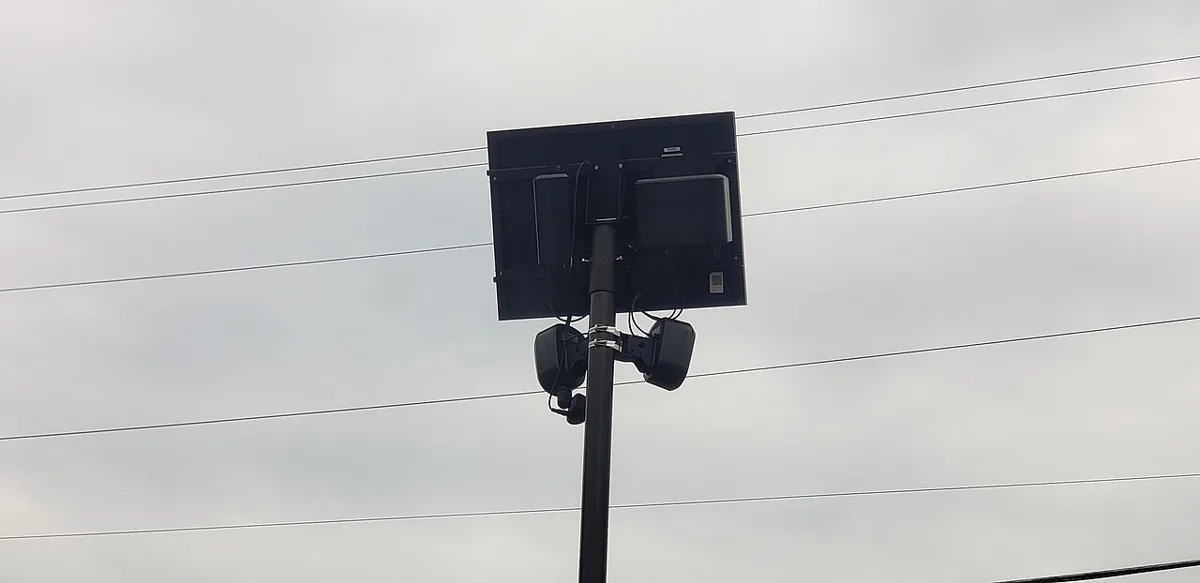
A company that built a network of 120,000 license plate cameras across America and sold access to police departments is very sorry that some of those police officers used it to stalk women. Flock Safety CEO Garrett Langley went on CBS News Thursday to apologize and announce some new rules, because apparently "don't use a mass surveillance network to follow women around" was not already a rule.
46 Cases, One Apology, and Some New Checkboxes
The Washington Post reported that police officers were accused in 46 separate cases of improperly accessing Flock's license plate camera network, with some officers allegedly using it to stalk women. That is not a rogue officer. That is not a bad apple. That is a documented pattern across dozens of cases, and it took a major newspaper investigation to get the company's CEO on television to say the word "sorry."
Langley told CBS News he had listened to one victim's interview that morning before going on air. "I apologize," he said. "It kills me that she went through that." When asked whether he took responsibility quickly enough, he invoked the most reliable escape hatch in American public life: "Hindsight tends to be very clear."
Yes. It does. That's actually the point.
120,000 Cameras and Counting
Let's pause and make sure the scale of this is landing properly. Flock Safety operates a network of 120,000 cameras stationed around the country. These cameras record license plates and other vehicle details and feed that data into a searchable system that law enforcement agencies can query. It is, functionally, a privately operated mass surveillance infrastructure bolted onto American roads and sold to police departments as a crime-fighting tool.
Langley defended all of it on Thursday. "I don't think that Flock created police abuse," he told CBS News. "I think we're the first company to ever shine a light on it and build the tools to find it." This is a remarkable sentence. The company built a surveillance system, cops used that system to stalk people, and the CEO's position is that Flock should get credit for eventually noticing. The audacity of that framing is genuinely something to behold.
The New Rules, Such as They Are
Following the Washington Post report, Flock announced a package of changes Thursday. According to CBS News, the company is cutting the default data retention period from 30 days down to seven days. There is, however, an "Evidence Mode" setting that lets agencies preserve data longer if it's tied to an investigation, which is a carve-out large enough to drive a surveillance van through.
Every search of the system will now require a case code to be entered beforehand. That requirement can be overridden in emergencies, like a missing child, which is a completely reasonable exception that also happens to be the kind of thing someone stalking an ex-girlfriend might claim. The company is also planning to roll out a tool that flags abnormal search behavior and locks out users until an administrator reviews the activity. Flock says about a third of its law enforcement customers have already turned this on, which means two-thirds of them have not, and the deadline to require it is the end of the year.
The American Civil Liberties Union called the data retention reduction "a step in the right direction" while making clear it was not exactly popping champagne. "Whether this is a real change or just another Flock PR move will depend on how its Evidence Mode operates," the ACLU said in a statement Thursday. The ACLU has previously accused Flock of violating people's privacy rights, full stop.
The CEO's Message to Predatory Cops
CBS News asked Langley what he'd say to any officer thinking about using Flock's system to surveil someone outside an active investigation. His answer was a threat, not a policy. "You will get caught, plain and simple," he said. "If you try to use this tool illegally, you will get caught."
He also called for state legislators to make such misuse a criminal offense, which is a fine idea that would be more compelling coming from a company that, per the Washington Post, documented 46 cases of abuse and apparently did not make that its loudest public demand until it became a PR crisis. Langley told CBS News he hopes it "should not just be a termination" but a criminal offense to abuse this kind of access. Great. Put it in the contract retroactively and see what happens.
The Dingo Take
You are supposed to believe that a company selling mass surveillance access to police departments is actually the hero of this story because it built tools to catch the cops abusing it. Sit with that for a second. Flock Safety created the infrastructure, sold it to law enforcement with apparently minimal guardrails, watched 46 documented misuse cases accumulate, and is now asking for credit because they have a flag-the-weird-searches feature that only a third of their customers had bothered to turn on.
This is the surveillance industry's version of a fast food chain responding to a food safety scandal by announcing they will now recommend handwashing. The underlying business model, a privately owned network of 120,000 cameras feeding searchable vehicle data to police agencies across the country, does not become acceptable because the CEO sounds sad on television. The ACLU has been saying for years that this kind of infrastructure is an invitation to abuse. Forty-six cases later, here we are.
Langley's most telling line was the one where he said his company is "the first to ever shine a light" on police abuse. That's not humility. That's a sales pitch. What he built was a system powerful enough to track where women go and who gave it to people with badges and very little oversight. The seven-day data window and the mandatory case codes are better than nothing. They are also the absolute minimum a company should have started with before handing a stalker's dream tool to tens of thousands of officers nationwide.




Comments