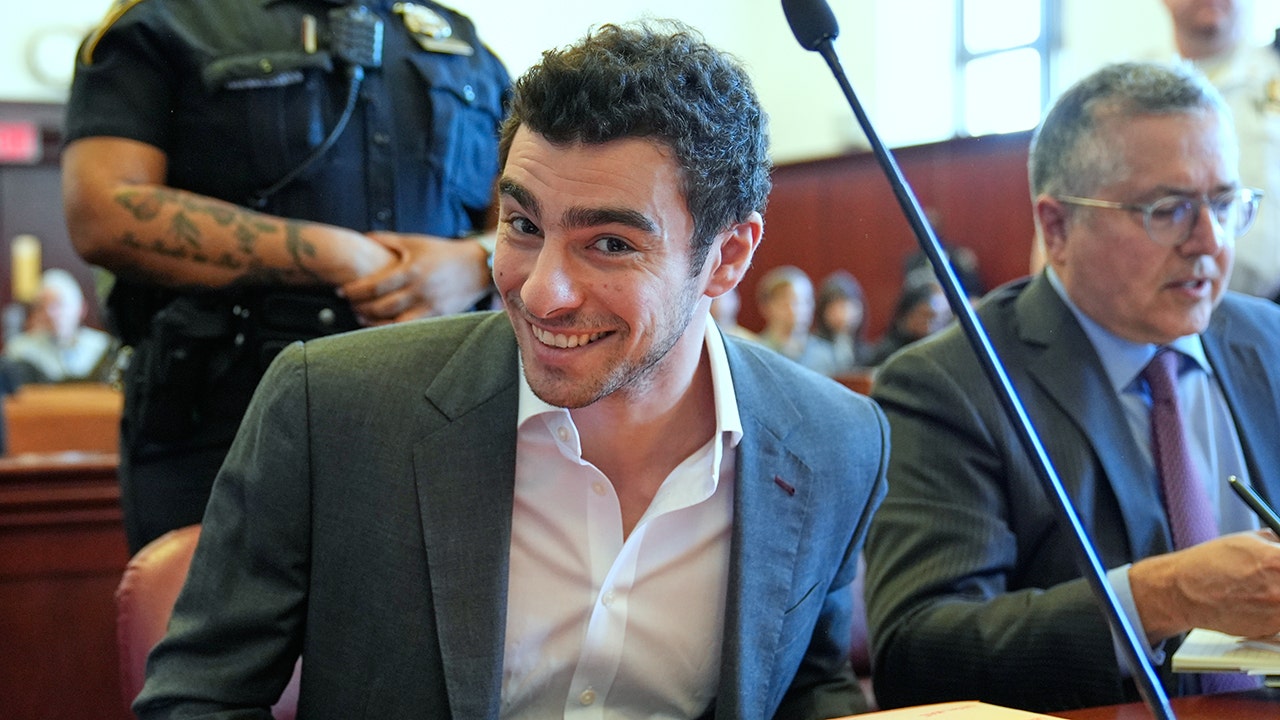
Luigi Mangione walked into a Manhattan federal courtroom on Friday and told a judge, out loud, in public, that he emailed UnitedHealthcare pretending to be a potential investor specifically to locate CEO Brian Thompson so he could shoot him. He then described, in the past tense, doing exactly that. Thompson's family sat in the front row and listened to every word.
What He Actually Said
The allocution was brief and brutal. "I emailed UnitedHealthcare with the intent to shoot Brian Thompson," Mangione told U.S. District Court Judge Margaret Garnett. "On the morning of Dec. 4, 2024, I shot Mr. Thompson in Manhattan in his back."
He was 26 years old when he did it. He is 28 now. He told the judge he understood his actions would place Thompson "in fear of death and bodily injury" and that he "knew what I was doing was illegal." Standard allocution language, except almost nothing about this case has been standard.
Mangione pleaded guilty to two federal counts of interstate stalking resulting in death, according to NBC News. No plea agreement. No deal. He pleaded open, meaning he admitted to everything and left the sentencing entirely up to the judge. Prosecutors said they intend to seek life in prison, the maximum available.
The Investor Email Nobody Saw Coming
Here is the detail that sharpens the whole picture. Mangione did not simply follow Thompson's public schedule. He manufactured access. He posed as a potential investor and emailed UnitedHealthcare directly, NBC News reports, fishing for confirmation that Thompson would be at the investors' conference at a Manhattan hotel on December 4, 2024.
UnitedHealthcare, one of the largest and most powerful corporations in America, gave him what he needed. The company had no reason not to. Nothing in that interaction would have flagged danger. That is part of what makes it so disturbing.
Prosecutors have previously noted that Mangione had no personal connection to UnitedHealthcare and was never a customer. His grievance, whatever its roots, was ideological rather than personal. He found his target through research, patience, and a fake email.
What He Says Drove Him to It
Mangione told the court he was motivated by his experience as a patient. He had a back injury. He said the healthcare system failed him and destroyed his life. His attorney, Karen Friedman Agnifilo, expanded on this outside the courthouse, saying her client "endured years of severe debilitating pain following a broken back while struggling to navigate our healthcare and health insurance systems."
Authorities found a notebook in his backpack when he was arrested at a Pennsylvania McDonald's five days after the shooting. It reportedly detailed grievances against the insurance industry. The words "deny, defend, depose" were written on the shell casings found at the scene, a reference to a tactic insurance companies use to avoid paying claims.
None of that is a legal defense. Mangione has not claimed otherwise. But it is the reason this case became something larger than a single murder, and why the reaction to Thompson's killing was unlike anything most Americans had seen before.
The Family, the Threats, and the Silence They Broke
Thompson's family has stayed almost entirely out of the public eye since December 2024. They have reasons beyond grief. NBC News notes that fervent Mangione supporters are believed to be responsible for threats made against Thompson's relatives after the killing. Let that land for a second. The victim's family received threats.
On Friday, the Thompsons issued a rare public statement. "While nothing will ease the pain of losing him, we are grateful that the federal justice system has held the person responsible for this heinous act accountable," they said. They called the plea "an important step toward justice" and asked the court to ensure sentencing reflects the severity of the crime.
Pat Thompson, the victim's mother, sat in the front row of the courtroom as her son's killer described what he did. That takes a particular kind of fortitude.
What Comes Next: Double Jeopardy and a Sentencing Fight
Mangione's sentencing is scheduled for December 18, with prosecutors targeting life in prison. The federal guidelines, NBC News reports, suggest a range of 24 to 30 years, but prosecutors have made clear they are not content with the guidelines. Judge Garnett has full discretion.
The federal plea also launches what is expected to be a significant legal battle in New York state court, where Mangione still faces second-degree murder charges and a trial currently set for September 8. His defense team filed a motion the same day as the plea arguing the state case must be dismissed under New York's double jeopardy protections, on the grounds that both cases cover the same alleged conduct.
Manhattan U.S. Attorney James McDonald, who was seated in the front row of the courtroom, was unambiguous about where his office stands. "There are no accommodations or concessions, and we are free to seek the maximum penalty under the law," he said outside the courthouse. "Life imprisonment is what we intend to seek."
The Dingo Take
A charge that once carried the death penalty was dismissed earlier this year. Mangione then pleaded guilty to everything else, without a deal, apparently calculating that an open plea gives him more leverage on appeal and ammunition for the double jeopardy fight in state court. Whether that calculation pays off is a question for December and beyond. What is not a question is what he did.
The thing this case has never been able to escape is the reaction it provoked. Not from legal scholars or crime reporters, but from ordinary people who saw the news and did not respond with the reflexive horror that a CEO murder might normally generate. That says something genuinely disturbing about where this country is right now. Not that Mangione was right. He was not. He killed a man who was a father of two, and his family has lived with threats ever since. But the fact that so many people understood the rage, even if they did not endorse the act, should have caused a reckoning inside the health insurance industry that largely has not happened.
UnitedHealthcare is still the largest health insurer in America. Claims are still being denied. The notebook in Mangione's backpack is sitting in an evidence room somewhere. And on December 18, a judge will decide how the rest of his life goes. The system he targeted will keep running either way.



Comments