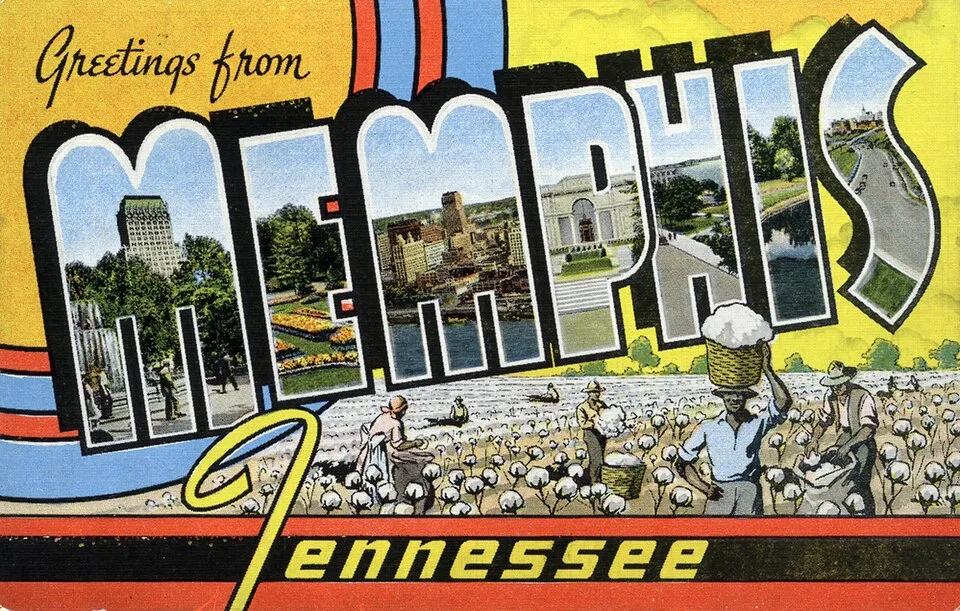
A storm that lasted roughly half an hour hit Memphis, Tennessee on August 22nd, knocked out power to more than 100,000 households, and caused $18 million in damage. The city's official relief hotline didn't open until nine days later. It ran out of money within hours of opening. What happened in between tells you everything you need to know about who actually keeps American cities alive.
Thirty Minutes of Storm, Weeks of Dark
According to The Guardian, the bow echo storm that tore through Memphis on August 22nd stuck around for about 30 minutes. Thirty minutes. Then it left behind fallen trees, $18 million in property damage, and tens of thousands of families sitting in 91-degree heat with no power and no clear answer on when it was coming back.
This wasn't happening in a vacuum. Just days before Memphis went dark, Gary, Indiana, a majority-Black city more than 500 miles north, had lost power too. Gary residents went without electricity for two weeks. Both crises landed just before the 21st anniversary of Hurricane Katrina, and people noticed. The through-line isn't subtle: majority-Black cities, crumbling infrastructure, and a government response that shows up late if it shows up at all.
As The Guardian notes, community organizers in Memphis were drawing exactly that connection. "Highlighting that this issue with infrastructure in Black cities is not a new problem, but a consistent problem that we really need to address." No argument here.
The Government's Big Plan: A Hotline That Opened Nine Days Later and Lasted Hours
To be fair, Memphis Mayor Paul Young and city council chair Jana Swearengen-Washington did announce something. It was called MemphisCares, a partnership with United Way of the Mid-South, and per The Guardian it made up to $100,000 available to help residents replace lost groceries and access food assistance. A hundred thousand dollars. For a city of 600,000 people dealing with $18 million in storm damage.
But here's the kicker. Residents couldn't even call the MemphisCares hotline until August 31st, more than a week after the storm. The Guardian reports that within hours of the hotline opening, the funds were completely depleted. Callers were automatically routed to a recorded message explaining that more requests had come in than money existed to cover them.
That's the official disaster response. A voicemail. Nine days late. Gone by lunch.
What Actually Happened While the Hotline Was Being Set Up
Amber Sherman, a coordinator for Black Voters Matter in Memphis, didn't wait for a hotline. The Guardian reports that the day after the storm hit, her first thought was that people weren't prepared for the heat and the darkness. So she called her boss, called partner organizations, checked on neighbors, coordinated meal distributions, and used her social media platform to keep people informed.
Derrick Tillman, a local small business owner, drove 85 miles down to Oxford, Mississippi to buy generators from Ace Hardware. He sourced more from Jackson and Nashville. About 15 generators total got distributed out of his home. He went door to door, set the machines up himself, ran the cords through people's houses, and explained how to use them. His own neighborhood had trees down. His power had been out for two hours. He was fine, so he helped.
"I was able to still operate, to just help people, because I wasn't stressed out on my end, mentally or physically," Tillman told The Guardian. That sentence should be printed on a poster and hung in every emergency management office in America.
A Network Built on Past Disasters Kicked In Fast
This wasn't improvised chaos. The Guardian reports that the Mississippi Rapid Response Coalition, which was formed in 2020 during the COVID-19 pandemic and sharpened further during Jackson, Mississippi's water crisis, mobilized quickly to push generators into Memphis. Experienced organizers knew the protocols. They had the contacts. They had been through this before because communities like theirs get put through this over and over.
Multiple organizations coordinated hot meal distributions and water handouts across the city, including Young, Gifted and Green (an environmental justice group), Da Sammich Spot (a restaurant doubling as a resource hub), the Mid-South Environmental Justice Center, and the Tennessee Immigrant and Refugee Rights Coalition. Volunteers worked in church kitchens. Elders, pregnant women, and children were prioritized for donations. Some volunteers delivered groceries directly to families who were afraid to leave their homes because of their immigration status.
"Regular people pitched in, donated resources, pooled resources and prepared hot meals for the community for free," community organizer Richard Massey told The Guardian. "It's been an intensive, week-long effort." Two separate generator networks flowing in from Mississippi and Nashville. Capacity reached. No press conference required.
The Math Is Simple and Ugly
The Guardian notes that the city did open three community cooling centers the day after the storm, operating from 1pm to 7pm. Libraries, community centers, and senior centers eventually opened as places to charge devices and get water. So there was something. There was just not nearly enough of it, not nearly fast enough, and it ran out before most people could access it.
The organizers who had no institutional power and no emergency budget managed to build a functional mutual aid network across a major American city in real time. The government, with all its resources and all its preparation time, managed to produce a phone line that collapsed on the first day it opened. These two facts exist simultaneously. You are invited to sit with that.
The Dingo Take
You are supposed to believe that the government is the entity that keeps you safe when things go catastrophically wrong. That is the deal. You pay taxes, infrastructure gets maintained, emergency systems get funded, and when a 30-minute storm knocks out power for 100,000 people in 91-degree heat, someone answers the phone before day nine. That is the baseline expectation. Memphis did not get the baseline.
What Memphis got instead was Amber Sherman calling her boss at Black Voters Matter while the lights were still going out. It got Derrick Tillman burning gas on an 85-mile round trip to Oxford because someone needed a generator and no one else was bringing one. It got a coalition of organizers who had already survived a pandemic and a water crisis and Katrina's long shadow, activating muscle memory they should never have had to develop in the first place. These people are extraordinary. They should not have to be.
The cruelest part of this story is how normal it is. Gary, Indiana sat in the dark for two weeks. Jackson, Mississippi lost running water. New Orleans drowned while the federal government debated optics. The pattern is not a mystery and it is not an accident. Majority-Black cities with aging infrastructure and underfunded emergency systems keep getting hit, keep getting inadequate responses, and keep being saved by their own residents while officials announce hotlines that collapse before noon. At some point, calling this a failure of government is too generous. This is government as designed, working exactly as the people who defund and deprioritize these cities intend it to.


Comments